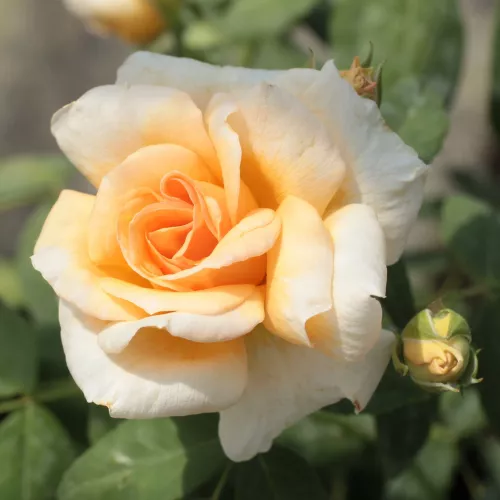
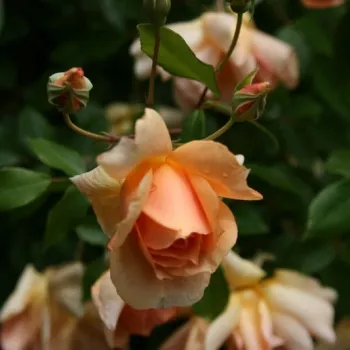
CRÉPUSCULE – apricot historic Noisette rose
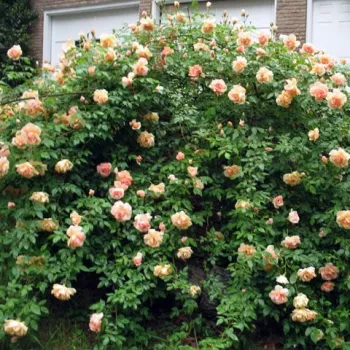
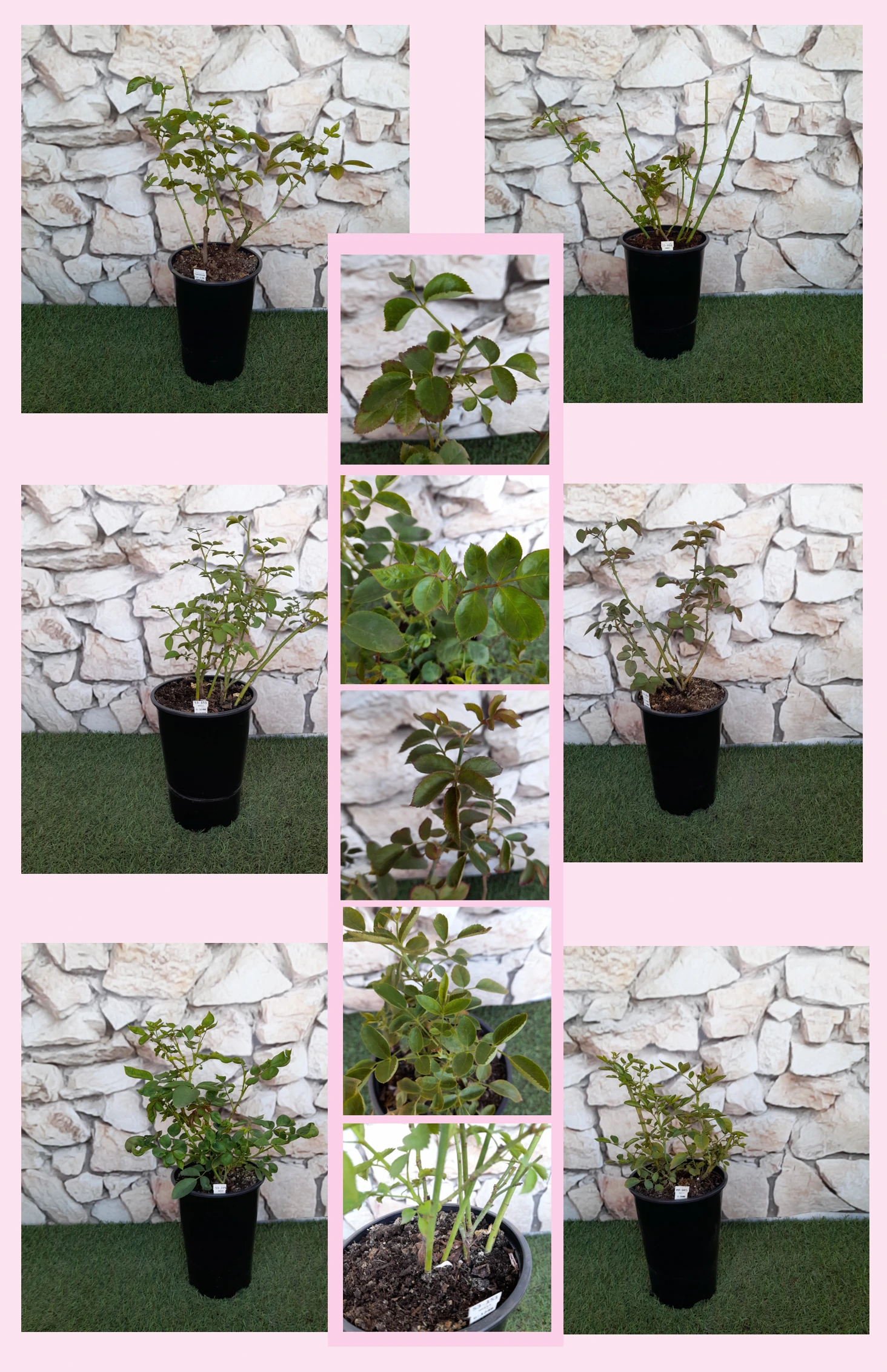
Step outside for a moment of gentle twilight and you will understand why CRÉPUSCULE has charmed gardeners for over a century: this historic Noisette unfurls clusters of glowing, peach-apricot blooms that seem to catch the last light of evening. Bred for easy care, it climbs gracefully over arches, porches and cottage-garden walls, shrugging off many common rose problems that can come with damp air and heavy Irish rainfall. Its semi-double flowers repeat reliably through summer and early autumn, filling small city plots and country gardens alike with a sweet, tea-fruity fragrance that drifts on the breeze. On its own roots, this rose establishes steadily for a long, dependable life in your garden, building strong roots in year one, confident framework in year two and full ornamental impact by year three. Ideal for relaxed, “girly” cottage style and pretty front gardens, it covers structures beautifully with dark green foliage and softly glowing colour, while moderate pollinators interest, low-prickle maintenance and forgiving growth make it a reassuring choice for newer gardeners.
Usage options
| Target area |
Reasoning |
| Cottage-style front garden arch |
Its climbing habit and generous spread create a romantic arch dripping with peachy blooms and perfume, ideal for welcoming you home with minimal pruning and simple yearly feeding – perfect for beginners. |
| Wall or house façade in town |
Dark, slightly glossy foliage and repeat-flowering clusters soften brick or render while coping well with typical Irish wet spells and cool summers, needing only light tying-in – ideal for busy homeowners. |
| Family seating area or terrace |
The strong, sweet tea-fruity scent and semi-double flowers are best enjoyed close by, over a pergola or railing where falling petals self-clean, so there is little tidying required – lovely for fragrance-lovers. |
| Irish cottage garden pergola |
Long, flexible canes quickly clothe pergolas with sunset-toned flowers, offering dappled shade and old-world charm, while good disease resistance keeps the display reliable year after year – reassuring for hobby gardeners. |
| Small Dublin front garden or railings |
Moderate vigour and repeat flowering bring colour to compact spaces without overwhelming them; own-root plants age gracefully with less replacement, suiting those planning for the long term – thoughtful for new owners. |
| Partial-shade side path or narrow strip |
Performs well with a few hours of softer light, so it is suitable along side passages or between houses where many roses sulk, adding vertical interest above other perennials – convenient for urban gardeners. |
| Pollinator-friendly mixed border |
Semi-double blooms with accessible stamens provide moderate nectar value, combining well with herbs and perennials to support bees while still looking refined, especially in informal cottage plantings – appealing to nature-lovers. |
| Large container near doorstep |
Can be grown in a sturdy 40–50 litre container with good drainage, giving renters or balcony gardeners a long-lived, moveable rose that flowers repeatedly despite cool, short summers – ideal for apartment-dwellers. |
Styling ideas
- COTTAGE-ARCH – Train over a metal or timber arch with Gypsophila ‘Festival Pink Lady’ at the base for a cloud of pale pink beneath peachy clusters – for romantically inclined front-garden owners.
- SOFT-SUNSET – Mix with Echinacea ‘Delicious Nougat’ and pale ornamental grasses along a path to echo its warm sunset tones in a relaxed, naturalistic border – for nature-oriented families.
- URBAN-FRONT – Let it climb light trellis against a small Dublin façade, underplanted with lavender and evergreen St John’s wort for year-round structure – for style-conscious city homeowners.
- EVENING-SEAT – Drape canes over a simple pergola beside a bench, adding white campanulas and soft outdoor lighting to enjoy fragrance on summer evenings – for evening garden lingerers.
- POT-PERGOLA – Plant in a 50 litre half-barrel with a narrow obelisk and trailing thyme around the rim to create a portable vertical accent – for renters and balcony gardeners.
Technical cultivar profile
| Parameter |
Data |
| Name and registration |
Historic Noisette climbing rose marketed as CRÉPUSCULE – apricot historic Noisette rose – Dubreuil; an old garden rose in the Noisette group, unregistered but long established in cultivation. |
| Origin and breeding |
Bred and introduced in France by Francis Dubreuil in 1904 through the Francis Dubreuil Nursery in Lyon; parentage is unknown, but typical Tea-Noisette character suggests complex old hybrid origins. |
| Growth and structural characteristics |
Vigorous climbing rose reaching about 250–450 cm high with a 200–320 cm spread, moderately thorny canes and moderately dense, slightly glossy dark green foliage; self-cleaning flowers maintain a neat appearance. |
| Flower morphology |
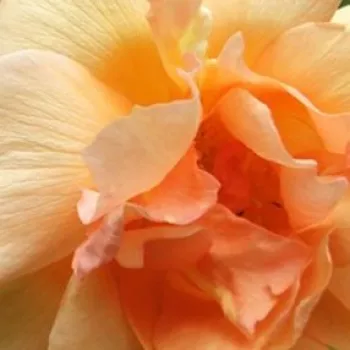
Semi-double, cup-shaped blooms with 13–25 petals, medium-sized at roughly 4–7 cm across, produced in clusters; remontant habit provides an abundant second flush of flowers after the main early-summer display. |
| Colour data and phenology |
Warm peach flowers with golden undertones, ARS code ab and RHS 23A outer, 21B inner; buds open deep peachy-copper then soften, lightening in heat and deepening in cooler weather, evoking sunset and twilight tones. |
| Fragrance and aroma |
Strong, well-scented rose with a sweet, tea-fruity character; fragrance is noticeable on still evenings and near seating areas, making it especially suitable for pergolas, arches and entrances where scent can be appreciated. |
| Hip characteristics |
Hip set is generally poor, with many plants failing to form hips; if produced, hips are small, spherical, about 12–18 mm in diameter, and ripen orange-red, adding modest late-season interest without heavy seeding. |
| Resistance and winter hardiness |
Good overall disease resistance, showing resilience to powdery mildew, black spot and rust; very good heat and moderate drought tolerance, best with regular watering, and hardy to about −21 to −18 °C (USDA zone 6b, RHS H7). |
| Horticultural recommendations |
Suited to pergolas, arbours, arches, walls and urban green spaces; prefers fertile, well-drained soil with light pruning to shape; recommended spacings from 240–380 cm allow effective coverage in hedging or specimen roles. |
CRÉPUSCULE offers perfumed repeat flowering, reliable disease resistance and long-lived own-root growth, making it a graceful historic climber to consider for your cottage arch or city façade.