CORAL DAWN – pink climbing rose – Boerner
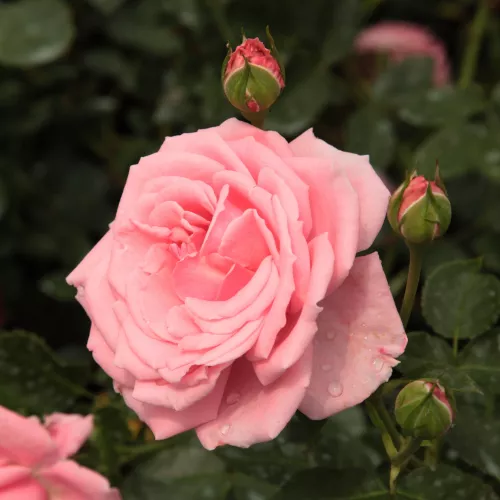
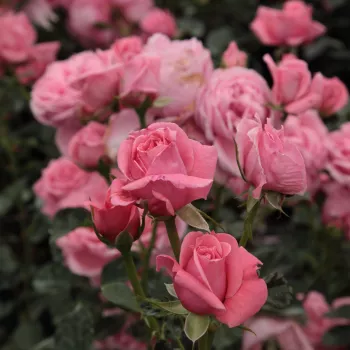
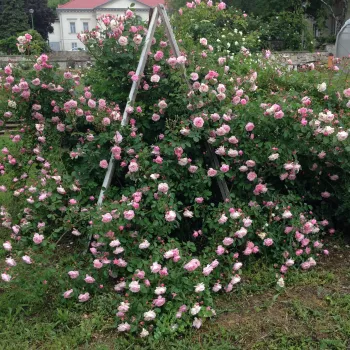
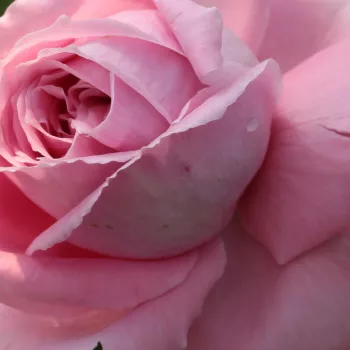
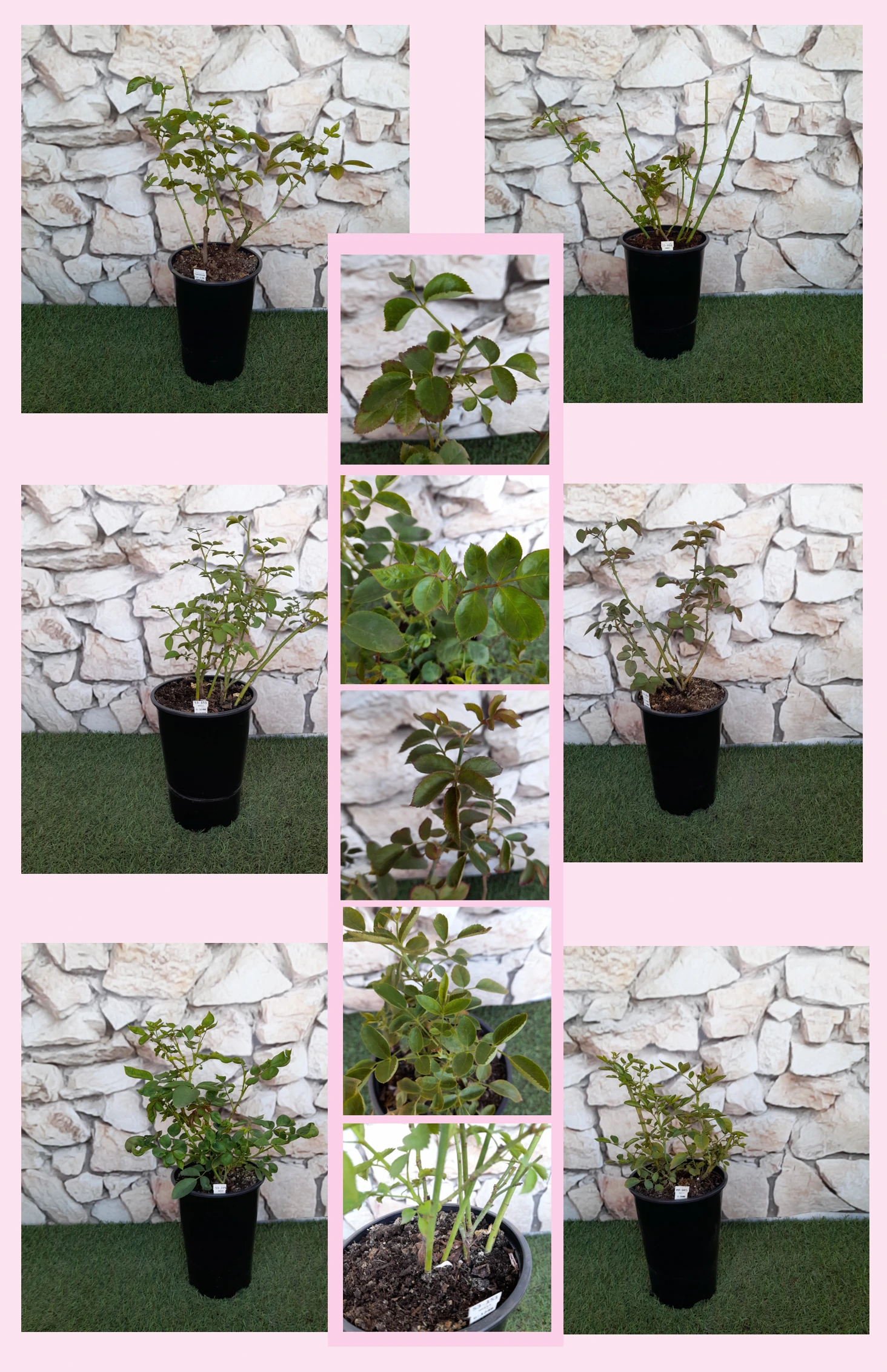
Let Coral Dawn bring softly glowing colour and a gently scented arch to your Irish cottage or terraced front garden, even where summers are cool and rainfall is frequent. This reliable climbing rose flowers on and off from early summer well into autumn, its coral-pink blooms fading to romantic pastel tones that sit beautifully against glossy dark foliage. Once planted in free-draining soil and lightly mulched, it settles in with very little fuss, building a framework of canes that can be trained along a wall, fence or pergola for privacy and charm. Grown on its own roots, it is designed for long life and easy recovery if cut back hard, with roots establishing in year one, stronger flowering shoots in year two, and full ornamental presence by year three. Moderately thorned stems and dense leaves also create a useful green backdrop, while the medium, cup-shaped blooms offer a classically romantic, garden-worthy display that can be cut for vases without diminishing the overall effect.
Usage options
| Target area |
Reasoning |
| House wall or sunny gable |
Ideal for training against a south- or west-facing wall, where its 3–4 m height creates a soft curtain of coral-pink blooms and glossy foliage with only moderate pruning and tying-in each year, suiting the time-poor homeowner. |
| Dublin terraced front garden fence |
Perfect for narrow front gardens, where its upright climbing habit can be tied along railings or a low trellis to provide colour, privacy and character without taking up precious ground space, appealing to busy urban gardeners. |
| Traditional Irish cottage doorway arbour |
Its repeat flowering and medium, cupped double blooms create a romantic arch above a gate or path, offering a softly fragrant welcome and a classic cottage-garden feel, ideal for lovers of nostalgic roses. |
| Feature pergola in family garden |
Clothing a pergola with dense green foliage and pastel coral flowers, it offers dappled shade and a long season of interest for family seating areas, suiting those who want impact without intricate training. |
| Large container by the front door |
Can be grown in a sturdy 40–50 litre pot with a strong obelisk or trellis, giving renters or small-space owners a moveable vertical accent and scented cut flowers, attractive to flexible, design-conscious residents. |
| Mixed cottage-style border backdrop |
Placed at the rear of a border and combined with bellflowers or salvias, its climbing habit and repeat flushes provide a soft pink backdrop that ties the planting together, suiting informal, nature-inspired designs. |
| Wind-sheltered, rainy coastal gardens |
Performs reliably in cool, damp conditions when given good drainage and airflow, and its own-root vigour helps it recover from weather damage, reassuring for those gardening near the Atlantic with frequent soft showers. |
| Long-term focal point for low-fuss gardens |
As an own-root climber, it matures steadily into a durable framework that can be rejuvenated if needed, giving many years of colour with simple annual pruning and mulching, ideal for relaxed, low-maintenance garden owners. |
Styling ideas
- Cottage-Arch – Train Coral Dawn over a simple wooden arch, underplant with Campanula persicifolia and loose grasses for a soft, storybook entrance – for romantic cottage-garden enthusiasts.
- City-Classic – Grow it flat against a painted front wall with neat evergreen shrubs below, giving a refined splash of coral pink and scent – for style-aware terraced-house owners.
- Pastel-Pergola – Cover a pergola beam with Coral Dawn and weave in pale blue Campanula trachelium for a cool, pastel tunnel – for families seeking a gentle, shady retreat.
- Container-Focus – Plant one rose in a 50 litre pot with a slim obelisk, edging the base with low herbs to frame the doorway – for renters and balcony or courtyard gardeners.
- Heritage-Hedge – Space several plants along a low trellis to form a flowering screen, interplanting Salvia nemorosa for season-long colour – for those creating a traditional, yet easy-care, boundary.
Technical cultivar profile
| Trait |
Data |
| Name and registration |
Climbing rose Coral Dawn, large-flowered climber; registered cultivar name Coral Dawn, American Rose Society exhibition name Coral Dawn, commercial type and group climbing rose. |
| Origin and breeding |
Breeder Eugene S. Boerner for Jackson & Perkins Co., United States, introduced 1952; complex parentage including New Dawn, yellow tea hybrid and orange-red polyantha influences. |
| Awards and recognition |
Nominated in the American Rose Yearbook as a “New Rose of the World” in 1952, reflecting its early international interest and ornamental promise as a garden and exhibition climber. |
| Growth and structural characteristics |
Vigorous climbing habit, typically 300–420 cm high with 150–240 cm spread; dense, glossy dark green foliage, closely spaced prickles, moderate self-cleaning requiring some deadheading of spent blooms. |
| Flower morphology |
Medium-sized double flowers, 4–7 cm across with 26–39 petals, cup-shaped and usually borne in clusters; remontant with an abundant second flush, suitable for garden display and cutting. |
| Colour data and phenology |
Coral-pink buds (RHS 36B outer, 36C inner) open vibrant then fade to soft pastel pink, with edges paling in strong sun; overall colour retention good, giving a long-lasting, gentle coral effect. |
| Fragrance and aroma |
Medium-strength, softly sweet fragrance that is clearly noticeable on still days without being overpowering; primarily ornamental, with no specific data on use for soaps or cosmetic preparations. |
| Hip characteristics |
Limited hip set due to double flowers; when present, produces small, ovoid orange-red hips (RHS 40A), around 9–13 mm in diameter, adding modest late-season interest rather than heavy displays. |
| Resistance and winter hardiness |
Hardy to approximately –26 to –23 °C (H7, USDA 5b, Swedish zone 4); disease resistance moderate overall, with good black spot resistance but moderate susceptibility to mildew and rust in humid conditions. |
| Horticultural recommendations |
Best on walls, fences, pergolas or as a specimen climber; prefers fertile, well-drained soil, regular watering in dry spells, and simple annual pruning, planted 165–300 cm apart depending on intended use. |
Coral Dawn offers romantic repeat flowering, a space-saving climbing habit and long-lived own-root reliability; consider it if you would like lasting height, colour and gentle fragrance with modest maintenance.