CORAL™ – dark red ground-cover rose - Tanjga
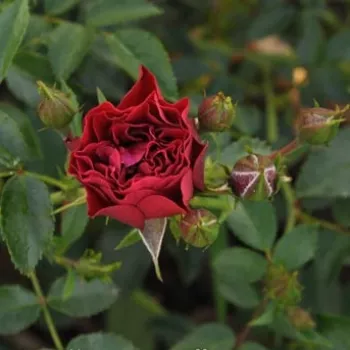
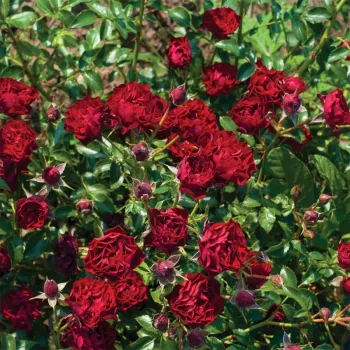
Imagine stepping outside for a short walk after summer rain, when the sky is brightening and your garden glows in soft green light: CORAL™ lays a cheerful, dark red carpet of semi-double blooms that keep returning through the short Irish summer, even where soil stays heavy and needs careful drainage. This compact ground-cover shrub stays naturally tidy in small cottage and terraced front gardens, with glossy foliage and flowers that fade gently from deep maroon buds to velvety coral petals. As an own-root rose, it settles in reliably, building roots first, then stronger shoots, and by the third year a full, lasting ornamental display with little extra work. Low-maintenance, disease-resistant and long-lived, it lends a softly “girly” cottage feel along paths, beds and low front walls, suiting busy urban gardeners who still want generous colour and relaxed charm.
Usage options
| Target area | Reasoning |
|---|
| Low-maintenance ground cover in family gardens |
Spreading growth, 35–60 cm high and 40–75 cm wide, quickly knits together to cover bare soil, suppressing many weeds and reducing the need for constant hoeing, ideal where free time is limited for beginners. |
| Long-season flower carpet in small spaces |
Strongly remontant flowering from early summer, with the second flush also abundant, keeps paths, drive edges and small beds colourful despite shorter Irish summers, suiting those who value lasting interest for homeowners. |
| Disease-resistant rose for wetter, humid conditions |
High resistance to black spot, powdery mildew and rust means foliage stays attractive even in rainy, humidity-prone gardens, reducing spraying and fuss, a reassuring choice for health-conscious gardeners. |
| Own-root planting for long-lived, resilient borders |
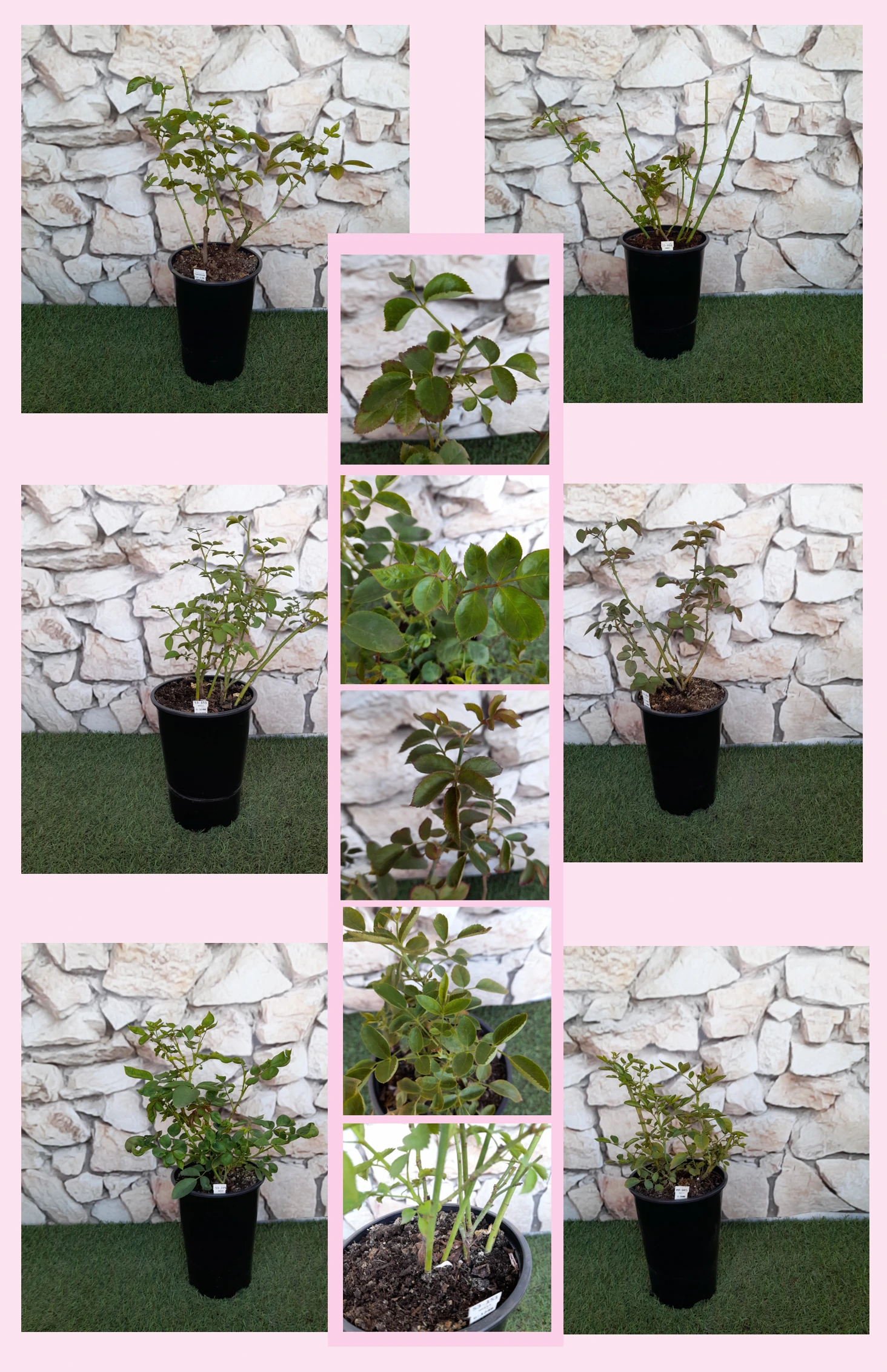
Supplied on its own roots in a 2-litre container, it establishes steadily, regenerates well after setbacks, and maintains an even look for many years, a sound long-term investment for thoughtful planners. |
| Cottage-style edging for Irish clay soils |
Compact height and spreading habit suit the front of mixed borders; in heavier clay, simple raised planting and mulch give reliable results even where frequent showers and slow-draining soil are normal for families. |
| Compact container rose for patios and doorsteps |
Performs well in a generous pot, ideally 40–50 litres or more, where its semi-double coral-red flowers spill softly over the rim, perfect for brightening balconies, steps and small terraces for busy urban residents. |
| Softly romantic, “girly” front-garden accent |
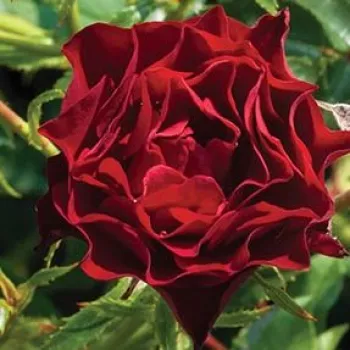
The dark coral-red, slightly ruffled blooms give a gentle, feminine cottage feel, especially against brick or painted walls, bringing cheerful charm without formal fuss for style-conscious front-garden owners. |
| Wildlife-friendly, yet tidy family border |
Semi-double flowers are moderately attractive to pollinators, and small orange-red hips follow later, adding gentle seasonal interest while still looking neat, matching the wishes of nature-minded but practical buyers. |
Styling ideas
- Cottage-Edge Ribbon – Plant a low ribbon of CORAL™ along a path, underplant with spring bulbs and let it form a soft, colourful boundary – ideal for relaxed family gardeners.
- Terraced-Face Glow – Tuck groups into the base of a Dublin terrace front wall, pairing with airy Verbena bonariensis for height – suited to urban homeowners wanting romance in little space.
- Patio-Bowl Carpet – In a 50-litre terracotta pot, let CORAL™ spill over the sides, with trailing thyme at the rim – perfect for balcony and doorstep gardeners.
- Clay-Bed Comfort – On slightly raised, well-mulched beds in heavier soils, mix with Salvia nemorosa for contrast – good for those managing wet, clay-based suburban plots.
- Soft-Wild Corner – Combine loose drifts of CORAL™ with obedient plant ‘Crystal Peak White’ and ornamental grasses – appealing to nature-focused gardeners seeking structure and wildlife value.
Technical cultivar profile
| Property | Data |
|---|
| Name and registration |
Ground-cover shrub rose from the Pixie® collection; registered as BOZcorapix, traded as Coral™ Pixie® BOZcorapix, classified as a groundcover rose in the Clúdach talún commercial group. |
| Origin and breeding |
Bred by Biljana Božanić Tanjga for Pheno Geno Roses, with EU plant variety protection filed in 2018; parentage undisclosed, introduced commercially after 2018 through Pheno Geno Roses B.V. |
| Growth and structural characteristics |
Low, spreading habit 35–60 cm high and 40–75 cm wide, moderately thorny shoots, dense slightly glossy dark green foliage (approx. RHS 137A), forming a tight, weed-suppressing ground-cover mat. |
| Flower morphology |
Semi-double, cup-shaped blooms with slightly ruffled edges, 1–4 cm across, borne in clusters; 13–25 petals per flower, strongly repeat-flowering with abundant secondary flushes in suitable conditions. |
| Colour data and phenology |
Buds open from dark burgundy to coral red, maturing to velvety dark coral red with a pale pink edge; good colour retention with moderate fading, ARS code dr, RHS 60A outer and 60B inner petals. |
| Fragrance and aroma |
Very weakly scented rose with a light, fruity character detectable at close range only; chosen primarily for colour impact and garden performance rather than for strong perfume-driven planting schemes. |
| Hip characteristics |
Produces moderately abundant, small spherical hips 5–8 mm in diameter, orange-red at maturity, offering modest late-season decorative value and some additional interest for wildlife-friendly planting. |
| Resistance and winter hardiness |
Classed as resistant to black spot, powdery mildew and rust; reliably hardy to about –26 to –23 °C (H7, Swedish zone 4, USDA 5b), suitable for exposed Irish gardens with cold, wet winters. |
| Horticultural recommendations |
Best in full sun; ideal for beds, borders, ground-cover and containers; spacing 35–60 cm depending on use, around 6.3–7.2 plants/m², in well-drained soil with regular mulching and modest feeding. |
CORAL™ – dark red ground-cover rose - Tanjga offers long-season flowering, reliable disease resistance and durable own-root growth, making it a considerate, low-effort choice for softening small Irish gardens and front spaces.