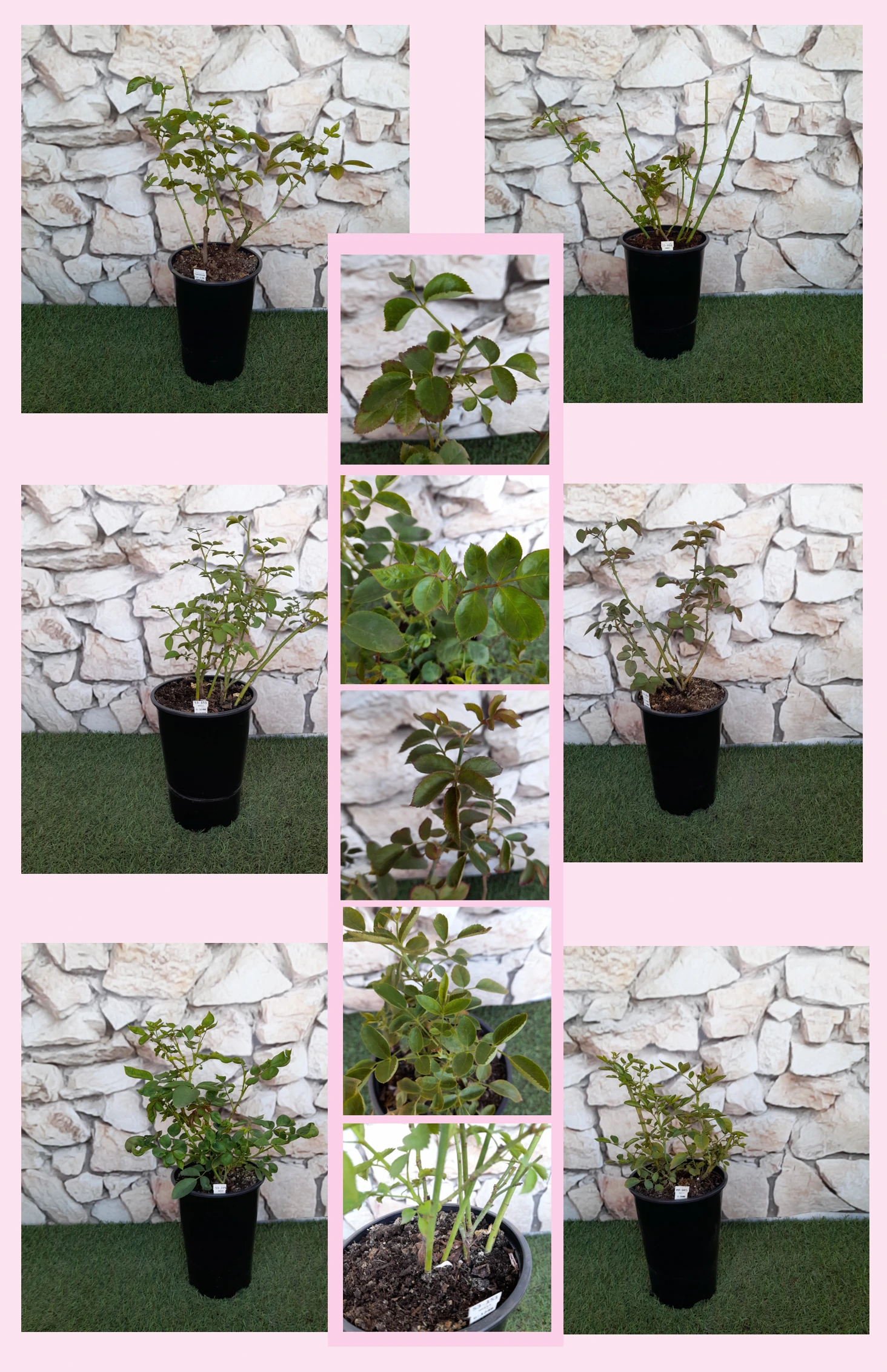
COMTESSE DE PROVENCE – pink hybrid tea rose – Meilland
Step outside for a moment of contentment with COMTESSE DE PROVENCE, a romantic hybrid tea rose that feels perfectly at home in a small Irish garden. Its large, rosette blooms in warm salmon‑pink unfold with a strong, peachy fragrance, ideal beside a cottage path or Dublin terrace railing where you can enjoy them at nose height. Bred for reliable flowering, it repeats generously through the season, offering colour even when summers are brief and the weather is changeable with soft rain and brisk coastal breezes. As an own‑root plant it promises quiet longevity, regrowing from the base if ever damaged and holding a steady shape over the years. Growth is bushy yet upright, easy to place among perennials or in a generous pot, while medium disease resistance and modest care needs keep the maintenance manageable. Planting is straightforward – good drainage, a sunny spot, light mulch – then let its graceful presence settle in and mature from first roots to a fully developed rose that feels like it has always belonged to your home garden.
Usage options
| Target area |
Reasoning |
| Feature rose in a cottage-style front garden |
COMTESSE DE PROVENCE forms an upright, bushy shrub that stands out as a graceful focal point near the front door or gate. Its structured yet not overly formal habit fits naturally with stone walls, gravel paths and informal planting typical of Irish cottage-style gardens, giving clear shape without demanding clipping or shaping from the homeowner or beginner gardener. |
| Perfumed seating area beside a terrace or patio |
The strongly fruity, peachy fragrance intensifies around seating, making everyday pauses or evening cups of tea more special. Position one or two plants where the breeze can carry the scent through an open window or across a small patio; in time, as the plant matures, the scent becomes a familiar part of your outdoor space, particularly valued by fragrance-loving buyers. |
| Cut-flower source for indoor vases |
With extra-large, fully double blooms on sturdy, erect stems, this variety was bred with exhibition-quality flowers in mind, so it lends itself beautifully to cutting. Regularly taking stems indoors encourages new growth and repeat blooms outside, turning one plant into a dependable personal flower shop that suits busy urban gardeners who enjoy simple, rewarding tasks. |
| Long-season colour anchor in a mixed border |
The remontant habit and abundant second flush keep colour returning from early summer into autumn, even when summers are short and the weather shifts between showers and bright spells. Combined with perennials and grasses, it provides reliable continuity so the border never feels bare, which is reassuring for those who want impact without constant replanting. |
| Own-root specimen for long-term planting plans |
Being grown on its own roots, this rose avoids the graft problems that can shorten a plant’s useful life, giving a more stable shape and easier recovery after harsh pruning or damage. Over the years it gradually builds a stronger framework from the base, supporting a sense of continuity in family gardens for homeowners who like to plant once and enjoy for years. |
| Container planting on balconies or paved front areas |
In a large 40–50 litre container with good drainage, COMTESSE DE PROVENCE offers a generous shrub of about 130–170 cm without overwhelming a small space. Its tidy footprint and erect habit allow you to frame a doorway or balcony without limiting access, providing a refined look that still feels soft and romantic for compact city front-garden owners. |
| Low-fuss rose for part-time gardeners |
Medium maintenance needs and good resistance to powdery mildew and black spot mean routine care can be kept simple: basic feeding, occasional deadheading and a yearly prune. The plant responds well even if you miss tasks now and then, building up from root establishment through stronger shoots to full ornamental value over its first three seasons, which supports time-poor hobby gardeners. |
| Traditional-style planting with peonies and lavender |
Its warm salmon-pink rosettes blend naturally with fragrant peonies, English lavender and airy Verbena bonariensis, giving a soft, romantic look under the gentle Atlantic light and frequent soft rainfall of many Irish gardens. This creates a classic yet relaxed scheme that feels both nostalgic and easy-going, ideal for nature-oriented cottage-garden enthusiasts. |
Styling ideas
- Cottage-Jug Bouquets – Grow COMTESSE DE PROVENCE near the back door for easy cutting, mixing its large, scented blooms with cow parsley and grasses in simple jugs – ideal for fragrance-loving homemakers.
- RomanticPathEdge – Line a short path with spaced plants, underplanting with catmint and low hardy geraniums so the bushy habit and repeat flowers frame each walk – perfect for small cottage-garden owners.
- Front-DoorWelcome – Place a single container-grown plant by the steps, teamed with lavender in separate pots, so the strong scent greets visitors as they arrive – suited to busy urban terrace residents.
- PeonyCompanion – Combine with Paeonia lactiflora and Verbena bonariensis so the long flowering season of the rose carries the display after peonies fade – attractive for gardeners seeking extended colour.
- ElegantScreen – Use several plants at the recommended spacing to form a loose, flowering screen that softens fences while remaining easy to prune and maintain – reassuring for beginner homeowners.
Technical cultivar profile
| Characteristic |
Data |
| Name and registration |
Hybrid tea rose, registered as MEIbacus, marketed as Comtesse de Provence Romantica; part of the Romantica collection, with exhibition hybrid tea credentials and approved ARS exhibition name. |
| Origin and breeding |
Bred in France in 2001 by Alain Antoine Meilland from (‘Centenaire de Lourdes’ × ‘Duke of Windsor’) × ‘Regatta’; introduced 2006 in France and 2007 in the USA, with US plant patent PP 13 860. |
| Growth and structural characteristics |
Erect, bushy shrub typically 130–170 cm tall and 85–115 cm wide, carrying dense, mid-green, slightly glossy foliage with moderate prickles; forms a substantial, structured presence in borders or as a specimen. |
| Flower morphology |
Very double, rosette-shaped blooms with over 40 petals, borne mainly solitary on stems; extra-large flowers exceeding 10 cm in diameter, with a pronounced, romantic exhibition-type form and good cutting quality. |
| Colour data and phenology |
Warm, salmon-toned mid-pink flowers that open peach-pink then fade towards soft cream-rose; colour can lighten in warm, dry spells or hold a richer pink in cooler weather, offering subtly shifting hues through the season. |
| Fragrance and aroma |
Strongly scented hybrid tea with a fruity, peachy character that is clearly noticeable in the garden and indoors in a vase; ideal where a pronounced rose perfume is desired rather than a faint or purely decorative presence. |
| Hip characteristics |
Occasional spherical hips, about 10–14 mm in diameter, ripening to an orange-red colour; hips are modest and mainly incidental, as the variety is grown primarily for its large, double flowers and cutting value. |
| Resistance and winter hardiness |
Hardy to around -21 to -18 °C (RHS H7, USDA 6b, Swedish zone 3); medium overall disease resistance with good resistance to powdery mildew and black spot, but only medium tolerance of rust under high humidity. |
| Horticultural recommendations |
Best in full sun with good drainage; suitable for beds, specimens, hedging or large 40–50 litre containers, spaced 85–160 cm depending on use; medium maintenance with occasional plant protection and regular deadheading. |
COMTESSE DE PROVENCE offers richly scented, repeat-flowering blooms on a long-lived own-root shrub, making it a thoughtful choice if you would like a romantic yet practical rose for your garden.