CHEWGENTPEACH – peach-pink bedding floribunda rose
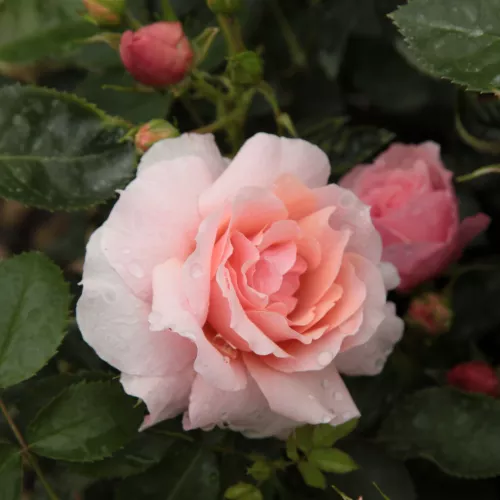
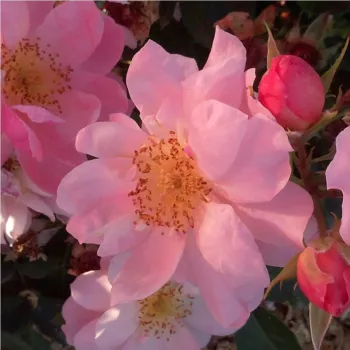
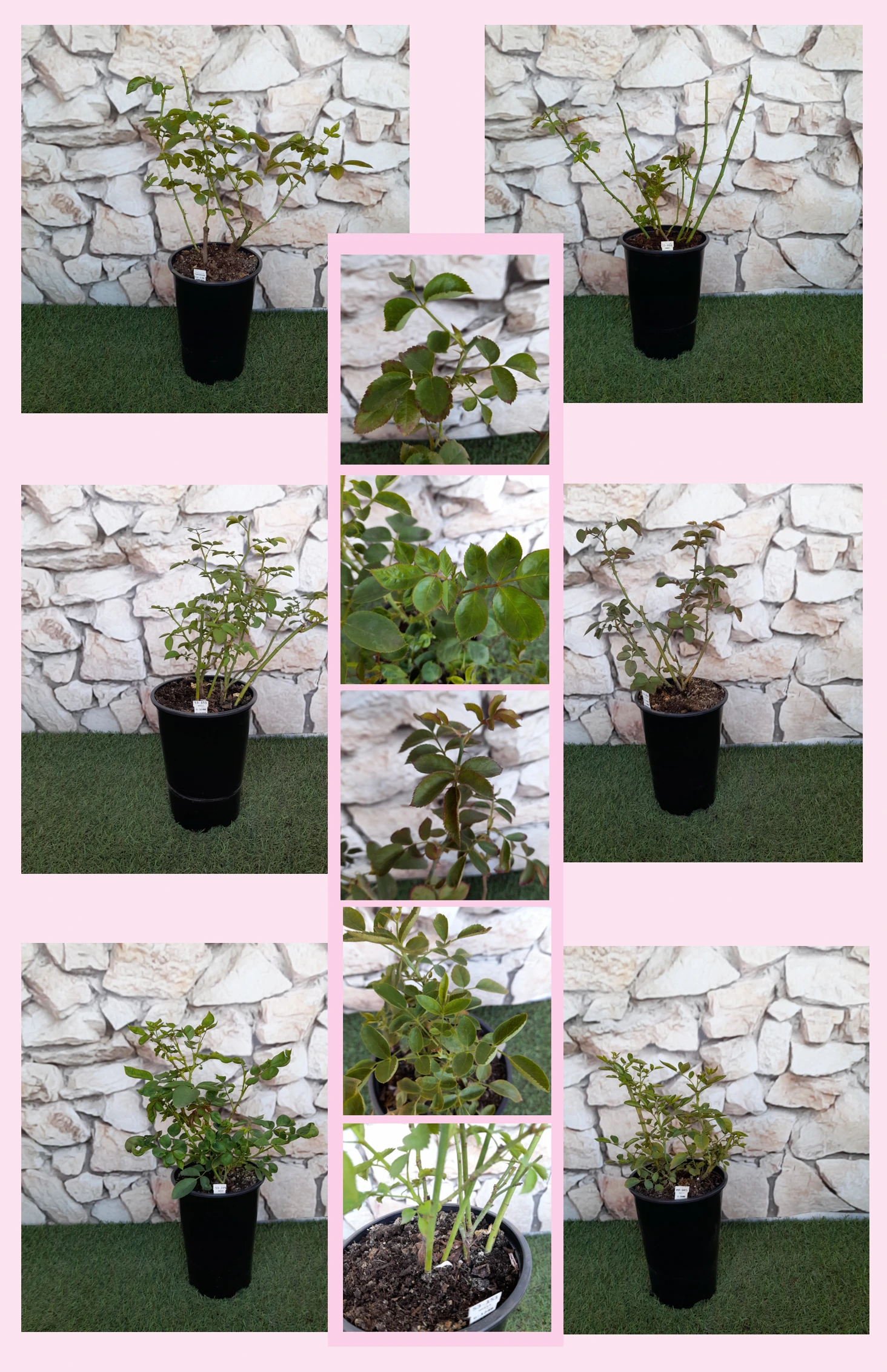
Imagine stepping outside after summer rain into a world of peach light, where clusters of soft blooms in creamy peach-pink glow against glossy green foliage. CHEWGENTPEACH is an easy-going floribunda that repeats its flowering reliably from early summer well into autumn, even when summers are cool and damp, bringing gentle colour to Irish cottage borders and neat city front gardens. Semi-double flowers with a fresh, fruity fragrance offer a modest treat for visiting pollinators, while its bushy, medium-sized habit fits perfectly into small to medium family gardens. Planted on its own roots, it settles in gradually – roots in the first year, stronger shoots in the second, and full ornamental impact by the third – giving you long-lived, low-fuss pleasure from a compact, container-grown rose you can simply plant, mulch and enjoy.
Usage options
| Target area |
Reasoning |
| Flowerbed focus in a small family garden |
The bushy, medium-height habit and 4–7 cm cluster-flowered blooms create a soft, low wall of colour without blocking light or overwhelming a compact plot, ideal for simple, showy planting that still feels relaxed for the beginner |
| Cottage-style mixed border |
Long, remontant flowering with pastel peach-pink shades blends naturally with perennials and ornamental grasses, giving that informal Irish cottage look while needing only straightforward pruning and deadheading from the hobby-gardener |
| Front garden of a Dublin terraced house |
Its tidy outline, glossy dark foliage and stylish colour shifts from rich peach to creamy tones provide a smart yet welcoming frontage, complementing brick and railing, with modest care demands that suit the busy urbanite |
| Container planting on patio or balcony |
Chewgentpeach performs well as a specimen in a large 40–50 litre pot with good drainage, giving a long season of colour and light fragrance right by the door, perfect for those wanting impact near seating but limited time for the homeowner |
| Pollinator-friendly family space |
Semi-double flowers with accessible centres provide moderate nectar and pollen through repeat flushes, helping support bees while still looking refined, especially when paired with bluebeard and dwarf Japanese silver grass, delighting the nature-attuned buyer |
| Low-hedge or informal boundary |
Recommended spacing of 55–65 cm allows you to create a soft, flowering line that defines paths or play areas without a harsh barrier, giving recurring colour and structure with just occasional trimming for the relaxed gardener |
| Long-lived feature on its own roots |
As an own-root plant, it can regenerate from the base after winter or pruning, avoiding graft problems and keeping its look stable over many years, particularly reassuring in wetter, windier gardens for the time-conscious owner |
| Reliable colour in changeable Irish weather |
Medium disease resistance and moderate heat tolerance, combined with good repeat flowering even in shorter, cooler summers with plenty of rain, mean steady performance when planted in sunny, well-drained soil for the practical planner |
Styling ideas
- Cottage-Drift – weave Chewgentpeach through a border with lavender, catmint and low grasses for a soft, peach-and-blue haze – suited to cottage-garden lovers seeking gentle romance
- Front-Door – place one rose in a 40–50 litre pot with evergreen box and spring bulbs to frame the entrance – ideal for city dwellers wanting a tidy, welcoming doorway
- Pastel-Ribbon – plant as a loose hedge along a path, interspersed with dwarf Miscanthus and pink geraniums – for families who like structure without a formal look
- Peach-Mosaic – group three roses in a small bed with bluebeard shrub and porcelain vine on a trellis behind – for colour enthusiasts enjoying subtle contrasts through the season
- Balcony-Nook – combine a single Chewgentpeach in a large container with trailing thyme and seasonal annuals – perfect for beginners wanting fragrance and colour in limited space
Technical cultivar profile
| Property |
Data |
| Name and registration |
Floribunda, flowerbed shrub rose; registered as Chewgentpeach, trade name CHEWGENTPEACH – peach-pink bedding floribunda rose – Warner, part of the Bedding rose collection, for garden and container use. |
| Origin and breeding |
Bred by Christopher Hugh Warner in the United Kingdom, breeding year 2015, for Warner’s Roses; parentage unknown, selected for decorative bedding use and versatile garden performance. |
| Growth and structural characteristics |
Bushy shrub 90–130 cm high and 75–105 cm wide, with dense, glossy dark green foliage and moderate prickliness, forming a full, rounded plant well suited to borders, beds and informal hedging. |
| Flower morphology |
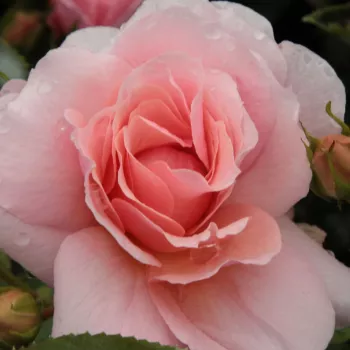
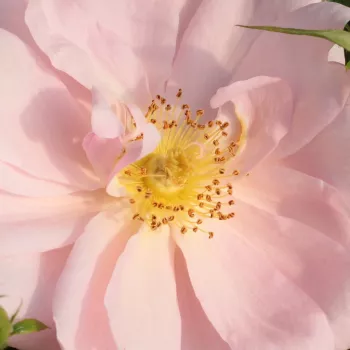
Semi-double, cup-shaped, cluster-flowered blooms, 4–7 cm across with 13–25 petals; repeats strongly with abundant second flush, delivering multiple waves of colour from early summer onwards. |
| Colour data and phenology |
Warm peach-pink shades; buds deep peachy orange, opening rich peach, then lightening to creamy pastel peach-pink with near-cream edges; ARS ab, RHS 28C outer, 36C inner, moderate colour retention. |
| Fragrance and aroma |
Mild, fresh fruity scent, noticeable at close range without overpowering other garden fragrances; suitable near seating and paths where a subtle, refreshing aroma is preferred. |
| Hip characteristics |
Moderately abundant, spherical orange-red hips around 8–12 mm, decorative in late season and offering additional wildlife interest when flowers are not fully deadheaded. |
| Resistance and winter hardiness |
Hardy to about −26 to −23 °C (RHS H7, USDA 5b, Swedish Zone 4); medium resistance to powdery mildew, black spot and rust; tolerates warmth but needs regular watering in prolonged dry spells. |
| Horticultural recommendations |
Best in sunny positions with well-drained soil; spacing 55–100 cm depending on use, density 2.4–2.7 plants/m²; suitable for flowerbeds, borders, informal hedges, specimen and large containers. |
CHEWGENTPEACH offers pastel peach-pink clusters, reliable repeat flowering and a compact, bushy form, and as an own-root rose it promises long, stable performance with straightforward care, making it an easy, thoughtful choice for your garden.