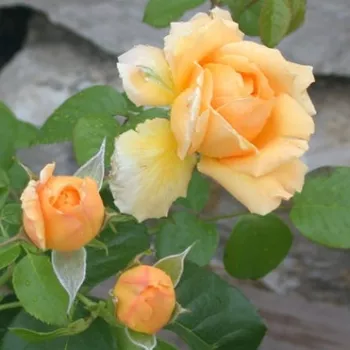
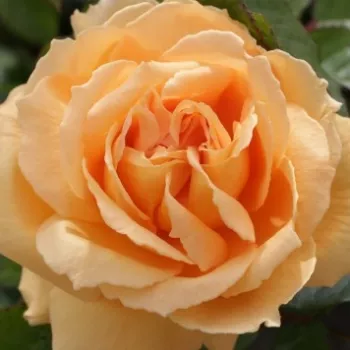
CHEVREUSE – apricot climbing rose – Kordes
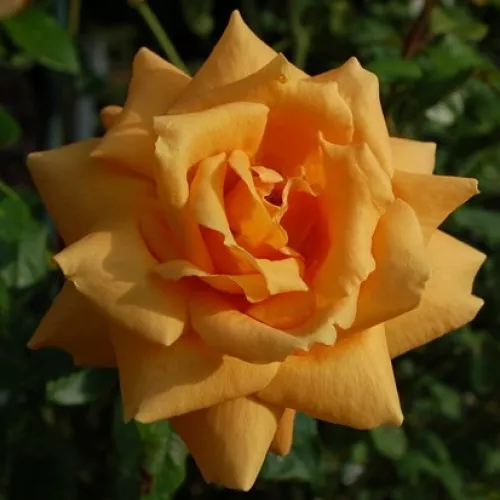
If you dream of a soft, romantic curtain of roses in an Irish cottage or city-front setting, Chevreuse brings a relaxed, joyful charm that thrives even where rainfall is frequent and summers are short. This own-root climbing rose settles in reliably on typical Irish garden soils, rewarding you with colour from large, double, peach‑apricot blooms that repeat generously through the season. The bushy, upright habit builds a leafy, glossy screen on fences or walls, while moderate care needs make it easy to enjoy for busy families. Planted once and looked after sensibly, its own-root nature supports a long, stable life in your garden, with Year 1 focused on roots, Year 2 on stronger shoots, and Year 3 revealing its full ornamental impact. Space it thoughtfully and you will gain an elegant, vertical feature that keeps its sophisticated, shifting pastel tones glowing in soft Irish light.
Usage options
| Target area |
Reasoning |
| Cottage-style house front with railings or low wall |
The medium-vigorous, bushy climbing habit is ideal for training along railings or over a low wall, creating a romantic veil of pastel flowers without overwhelming a small frontage. Once established, it needs only moderate pruning and tying-in, suiting beginners. |
| Warm-toned focal arch or pergola in a family garden |
Large, double blooms in soft peach and creamy yellow give a warm, welcoming focal point when trained over an arch or small pergola, particularly effective in family gardens where a gentle, non-flashy colour scheme is preferred by homeowners. |
| Vertical accent on a Dublin terraced-house boundary fence |
The dense, glossy foliage and repeat-flowering clusters help to soften hard boundaries and provide privacy without taking up much ground space, an advantage where gardens are narrow and you need reliable, compact vertical colour as a busy urban gardener. |
| Climbing rose in heavier Irish clay soil with drainage |
Chevreuse copes well in typical Irish conditions where regular rain and cooler summers could challenge fussier climbers, provided you improve drainage around the planting hole to prevent waterlogging, which is reassuring for cautious starters. |
| Soft pastel backdrop for seating areas and patios |
The mild, fresh-fruity fragrance and large, double flowers in gentle peach tones create a calm, soothing backdrop without overpowering a small seating area, offering a refined atmosphere for evening relaxation appreciated by fragrance-lovers. |
| Long-season colour frame around windows or French doors |
With good repeat flowering, the second flush also plentiful, Chevreuse offers a long season of interest when trained around windows or doors, giving evolving colour and form from bud to faded bloom that will delight colour-lovers. |
| Low-maintenance long-term structure along a path or drive |
As an own-root rose, it can build a durable framework of shoots that regenerates from the base if cut back by weather or pruning, supporting a long-lived planting that asks only occasional care, well suited to time-pressed families. |
| Feature climber combined with autumn and winter structure |
The sophisticated, shifting peach-to-cream tones pair beautifully with structural companions like Boston ivy and dogwoods, extending interest beyond summer and echoing their foliage and stems, an effect valued by design-conscious gardeners. |
Styling ideas
- Cottage-porch garland – Train Chevreuse over a small porch or doorway with loose, draping canes; underplant with lavender or catmint for an easy-care, scented welcome – ideal for relaxed cottage-garden enthusiasts.
- Soft-city screen – Use as a leafy, flowering screen on trellis panels to soften city boundaries; combine with evergreen climbers for year-round coverage – perfect for urban homeowners seeking privacy without heaviness.
- Pastel-arch duo – Plant one on each side of a narrow arch, weaving stems to meet overhead; add pale foxgloves and hardy geraniums at the base – suited to romantic gardeners who like gentle structure.
- Driveway frame – Space several plants along posts and wires beside a drive or path, letting their bushy growth form a repeating rhythm of colour – good for practical gardeners wanting order with low fuss.
- Warm-evening corner – Clothe a sunny wall near a seating nook, mixing Chevreuse with Boston ivy and soft grasses to catch the light – attractive to those who enjoy subtle, atmospheric planting for unwinding.
Technical cultivar profile
| Parameter |
Data |
| Name and registration |
Trade name Chevreuse Climbing rose KORplavi; registered as KORplavi, ARS exhibition name Westfalenpark®. Large-flowered climbing rose classified as shrub rose for exhibition purposes. |
| Origin and breeding |
Bred by Reimer Kordes, W. Kordes’ Söhne, Germany, from an unknown seed parent crossed with hybrid tea ‘Las Vegas’. Registered and introduced in 1986 as a climber suitable for garden use. |
| Growth and structural characteristics |
Strong, bushy climber with upright shoots, around 160–240 cm high and 120–200 cm spread. Dense, dark green, glossy foliage; moderately thorny stems, forming a substantial yet manageable vertical framework. |
| Flower morphology |
Large, double, cup-shaped flowers, 7–10 cm across, 26–30 petals. Produced mainly in clusters with generous repeat, including an abundant second flush, providing showy, layered blooms over a long season. |
| Colour data and phenology |
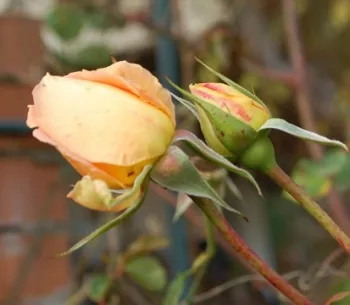
Buds light apricot-orange; freshly opened blooms pastel peach-yellow with peach-pink centre. Colour softens to creamy peach-yellow as flowers mature, maintaining good overall colour retention in garden situations. |
| Fragrance and aroma |
Mild, fresh, fruity fragrance evident at close range but not overpowering, adding a gentle sensory layer around paths, doors and seating areas without overwhelming small spaces or fragrance-sensitive gardeners. |
| Hip characteristics |
Produces small numbers of spherical hips, 8–12 mm diameter, orange-red (RHS 33A). Ornamental effect is modest; hips are a minor feature compared with the foliage and repeat-flowering display of large blooms. |
| Resistance and winter hardiness |
Hardy to about −21 to −18 °C (RHS H7, Swedish zone 3, USDA 6b). Shows moderate resistance to black spot, mildew and rust; benefits from good air movement and occasional preventative care in damp seasons. |
| Horticultural recommendations |
Plant with 140–240 cm spacing depending on use; 0.4–0.5 plants/m² for massing. Prefers well-drained soil with organic matter; mulch annually and train on supports. Large containers should be at least 40–50 litres. |
CHEVREUSE – apricot climbing rose – Kordes offers generous repeat flowering, soft sophisticated colour and a durable own-root framework, making it a thoughtful, long-term choice for shaping your garden’s vertical structure.