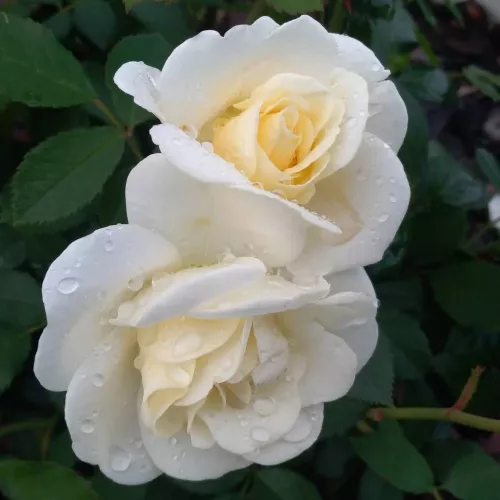
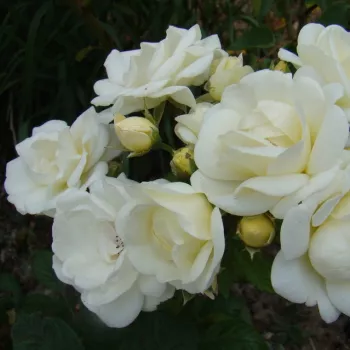
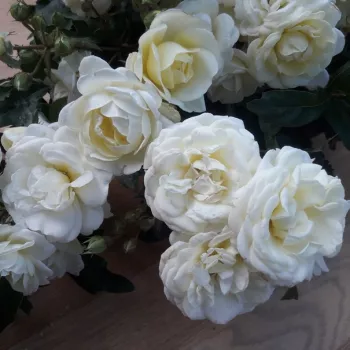
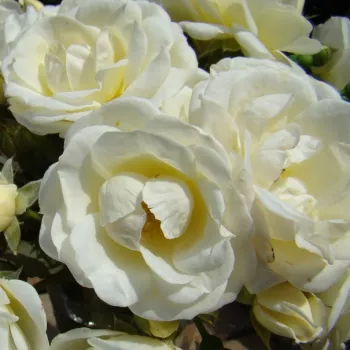
CHÂTEAU DE MUNSBACH – pale yellow park rose
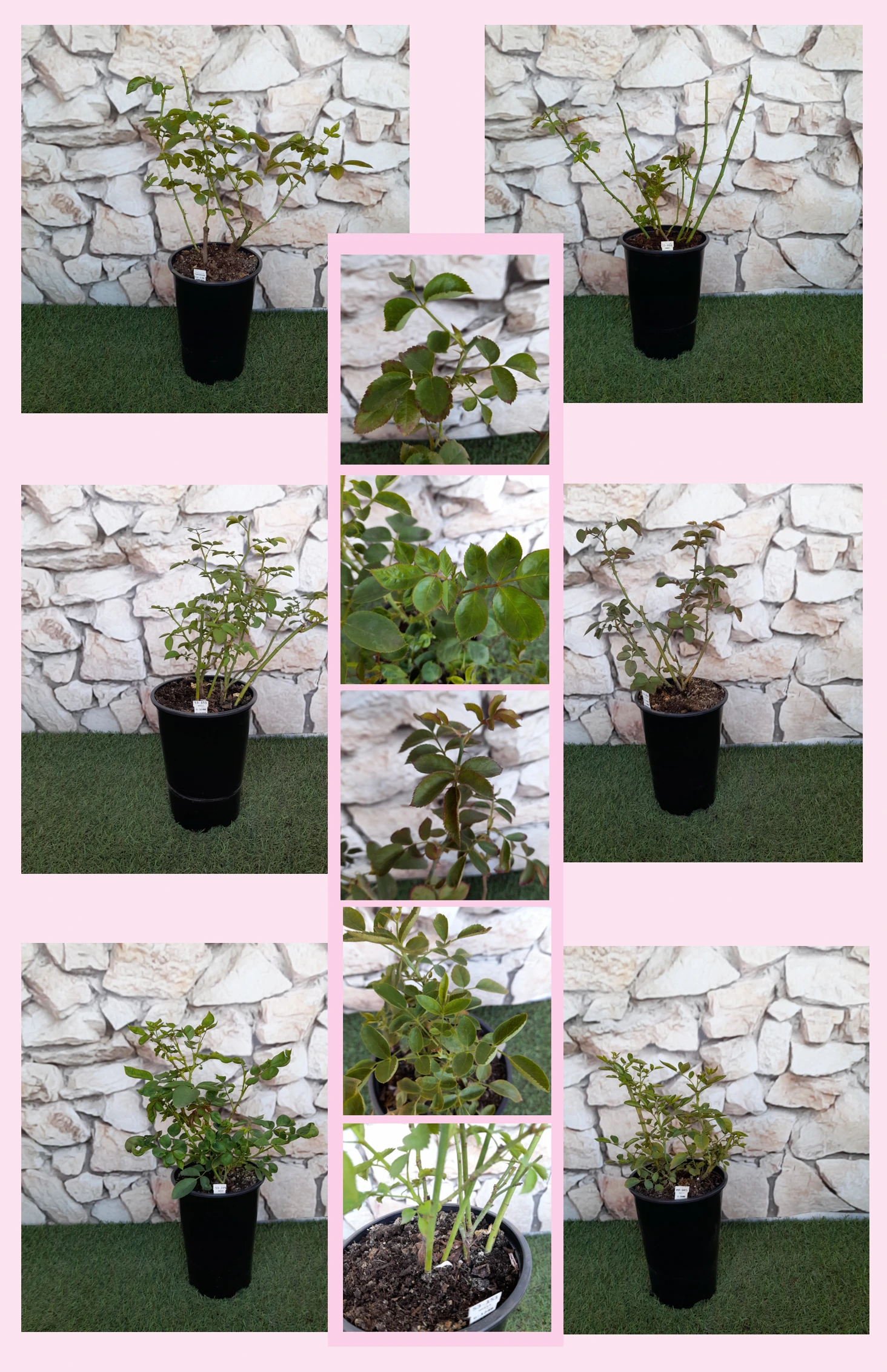
Let Château de Munsbach bring a soft, pale-yellow glow to your garden, adding gentle light even on overcast Irish days and coping well with breezy, damp conditions and frequent showers. This upright hybrid musk shrub flowers in relaxed clusters, giving a long, repeat-flowering season that keeps beds and front gardens cheerful with minimal effort. Semi-double blooms open wide to reveal pollen, offering a modest treat for visiting bees while the dark, glossy foliage stays attractive around the year. As an own-root rose in the pharmaROSA® ORIGINAL 2-litre pot, it settles in steadily – roots in the first year, stronger shoots in the second, and full garden presence by the third – supporting a long-lived, low-fuss planting that suits busy family and city-front gardens.
Usage options
| Target area |
Reasoning |
| Cottage-style front garden hedge |
Upright, bushy growth and pale, buttery-yellow clusters create a relaxed, “girly” cottage hedge that softens walls and low railings without feeling over-formal. Own-root plants recover well from trimming, supporting a long-lived line of shrubs for beginners and time-poor homeowners who enjoy informal structure – ideal for cottage-front romantics |
| Mixed border with perennials |
The moderate height and airy clusters fit beautifully among catmint, hardy geraniums, and grasses, giving light colour without overwhelming small borders. Semi-double flowers offer accessible pollen to insects, adding wildlife interest. The own-root form means stable shape and bloom over many seasons for hobby gardeners who want reliable impact with minimal fuss – perfect for nature-friendly planners |
| Specimen rose in a small lawn or courtyard |
Planted at generous spacing, this hybrid musk type builds a graceful, upright shrub with dark, glossy foliage that looks good even between flushes of bloom. A single plant can quietly anchor a compact lawn or courtyard, especially where you want easy-care character rather than a fussy showpiece, suiting busy owners seeking one dependable highlight – suited to low-maintenance focal-point seekers |
| Dublin terraced-house front garden |
Its modest footprint and upright habit lend themselves to narrow beds along paths or railings. The pale-yellow flowers brighten sun or light shade and repeat through the season, keeping entrances welcoming with little effort. As an own-root rose, it copes well with periodic pruning and urban replanting, appealing to new gardeners in tighter city plots – great for style-conscious city beginners |
| Pollinator-friendly family garden corner |
Semi-double, cluster-borne blooms open to show stamens, making nectar and pollen reasonably easy for visiting bees and hoverflies. The repeated flushes provide a longer window of food through the Irish summer, especially where lawns are small and hard surfaces dominate, which is reassuring for families wanting simple, wildlife-aware choices – ideal for child-friendly wildlife fans |
| Cut flowers for the house |
While bloom size is modest, the clusters of pale, buttery-yellow flowers are charming in jugs and cottage-style arrangements. Regular cutting encourages new shoots and more flowers, and own-root plants tolerate this well over time. This suits those who like to gather small, home-grown bunches without complicated pruning routines – perfect for informal bouquet makers |
| Lightly shaded or north-facing beds |
This variety tolerates partial shade, so it can brighten beds that miss the best sun yet still offer enough light for healthy growth. Pale colours read clearly in softer light, and the shrub structure remains tidy. Own-root resilience supports steady performance where conditions are cooler and damper than ideal, comforting gardeners coping with grey, wet summers and gusty weather – supportive for shade-challenged plot owners |
| Low-fuss, long-term planting for heavy clay soil |
Given improved drainage and a good mulch, this shrub rose settles into typical Irish clay and delivers repeat flowering for many years. Once established, own-root plants regenerate well from weather damage or pruning, keeping ornamental value stable. The development from early roots to mature shrub over three seasons suits those happy to invest a bit of patience for enduring reward – reassuring for long-view garden planners |
Styling ideas
- Cottage-border – weave among Nepeta and hardy geraniums for a soft, pastel ribbon of colour that repeats through summer – for relaxed cottage-garden lovers who value long flowering with little maintenance
- Front-rail – plant a short row along a low front fence with alternating lavender clumps to frame the entrance – for terraced-house owners wanting an easy, pretty welcome without complex care
- Pastel-island – use one shrub as the centre of a small island bed, ringed with low perennials, to create a gentle focal point – for families seeking a single, reliable highlight in a modest lawn
- Wildlife-nook – combine with catmint and single-flowered perennials to offer nectar and soft cover in a sunny corner – for nature-focused gardeners aiming to support bees in a manageable way
- Courtyard-pot – plant one rose in a 40–50 litre container with free-draining compost and underplant with trailing periwinkle – for busy urban gardeners who need portable, long-lived structure
Technical cultivar profile
| Feature |
Data |
| Name and registration |
Château de Munsbach, shrub / hybrid musk park rose; registered as VEL11mreal. Trade name: Château de Munsbach Park - shrub rose VEL11mreal. Name honours Munsbach Castle and its Luxembourg rose garden. |
| Origin and breeding |
Bred by Ann Velle Boudolf and Rudy Velle, Lens Roses, Belgium. Seedling parentage unknown. Bred in 2013, introduced and registered in 2018, initially distributed by Lens Roses in continental Europe. |
| Awards and recognition |
Silver Medal at the 2022 Warsaw Rose Trials and Best Shrub at the 2013 Rome Rose Trials, confirming reliable garden performance and attractive shrub form under differing European trial conditions. |
| Growth and structural characteristics |
Upright, bushy hybrid musk shrub with dense, dark green, glossy foliage and sparse prickles. Typical height 110–170 cm with 75–120 cm spread, forming a medium-sized, gently arching structure suited to beds and hedging. |
| Flower morphology |
Semi-double, cup-shaped flowers with 13–25 petals, borne in clusters on branching stems. Small blooms, around 1–4 cm across, open well in average conditions and repeat with a generous second flush after the main early-summer display. |
| Colour data and phenology |
Delicate buttery-yellow buds (RHS 4C) open to pale yellow with cream outer petals, then fade to creamy white with a soft yellow glow. Colour fades quicker in strong sun. ARS colour code LY; overall effect is gentle, light-reflecting, and subtle. |
| Fragrance and aroma |
Fragrance is very weak, with only a barely perceptible classic rosy note in favourable conditions. Best chosen for colour effect, form, and flowering rhythm rather than scent, particularly in family gardens where fragrance is not the main priority. |
| Hip characteristics |
Occasional small, spherical hips, about 5–9 mm in diameter, orange-red when ripe. Not a heavy fruiting variety but hips may add light seasonal interest and incidental wildlife value in years with good pollination and minimal deadheading. |
| Resistance and winter hardiness |
Hardy to approximately -21 to -18 °C (USDA 6b, RHS H7; Swedish Zone 3). Disease resistance is medium to powdery mildew, black spot, and rust, benefiting from good air circulation and standard monitoring in humid, changeable climates. |
| Horticultural recommendations |
Use in flower beds, mixed borders, hedges, as specimen or park shrub, and for small cut flowers. Space 80–150 cm depending on use. Prefers well-drained soil; improve heavy clay, mulch annually, water in dry spells, and provide partial shade tolerance. |
CHÂTEAU DE MUNSBACH offers long, repeat flowering, gentle cottage-garden colour and dependable shrub structure in an own-root form that matures steadily, making it a thoughtful choice for relaxed, enduring family gardens.