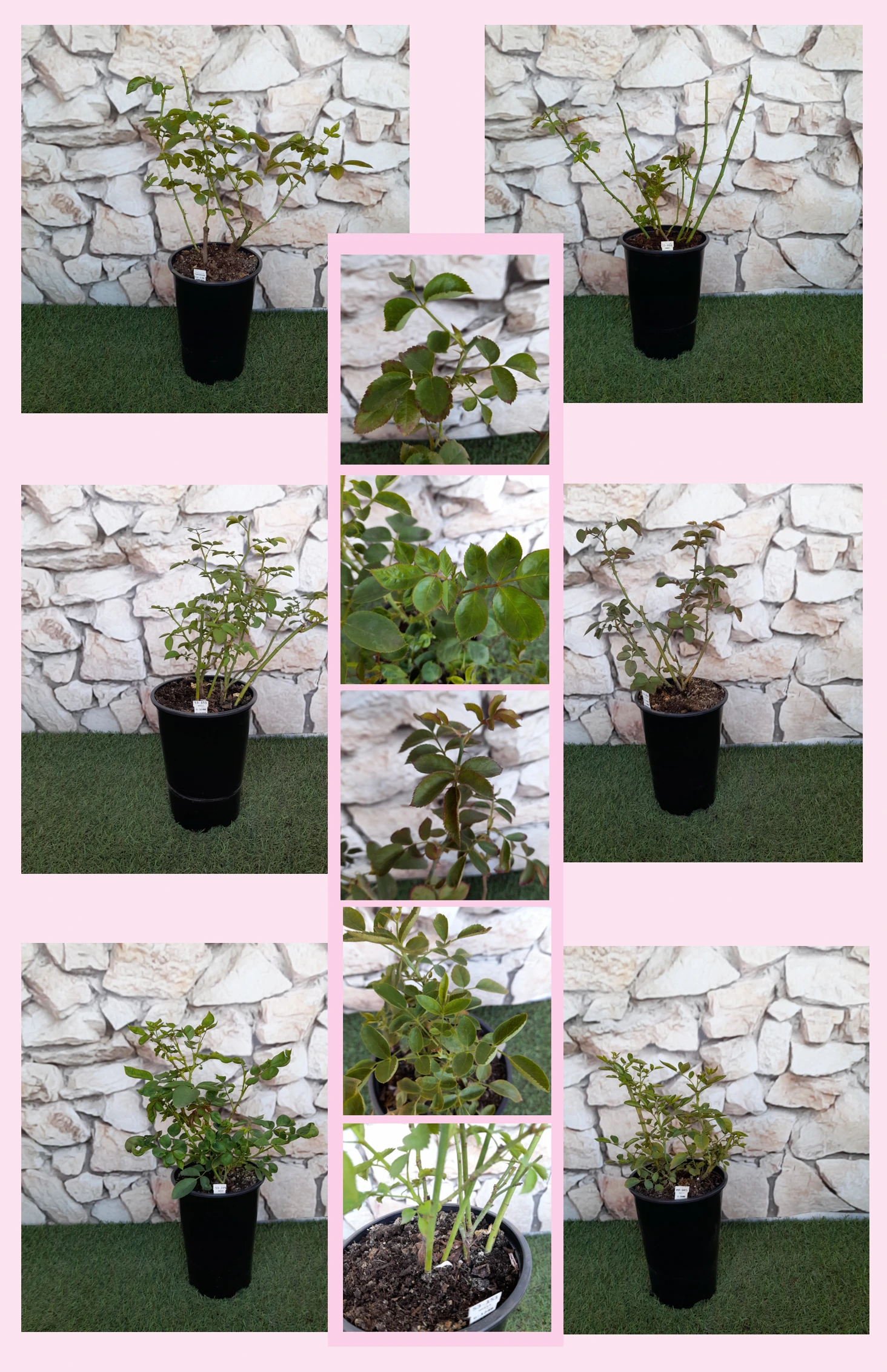
CHÂTEAU D´AMBOISE – dark red hybrid tea rose - Delbard-Chabert
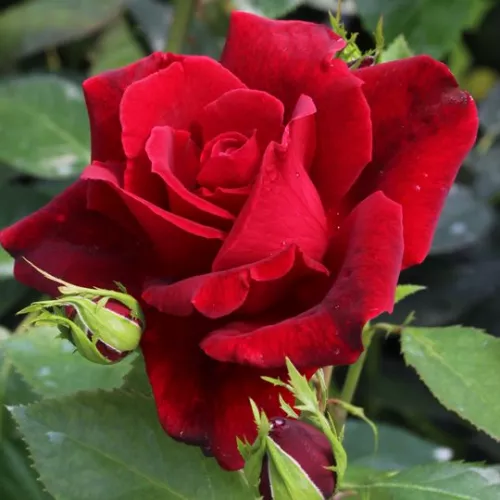
Step out to your front path and meet Château d’Amboise, a richly coloured hybrid tea rose that turns everyday drizzle into a gentle stroll under glowing ruby blooms. Bred by Delbard, its large, cup-shaped flowers open in flushes from summer onwards, offering a subtly fruity fragrance and long, elegant stems ideal for bringing into the house as classic cut flowers. On its own roots it settles in steadily, building a deep, resilient framework for a long life with dependable regrowth and little fuss. Perfect for Irish cottage borders and compact Dublin fronts, it copes reliably with our soft light and frequent showers, even where rainfall is high and soil needs care for good drainage.
Usage options
| Target area |
Reasoning |
| Feature rose near the front door |
Its upright, bushy habit and large, dark red flowers create an immediate sense of welcome beside a front step or path, without demanding expert care; ideal for busy homeowners who want impact with minimal fuss for beginners. |
| Irish cottage-style mixed border |
Repeat flowering and strong colour make it a reliable backbone in cottage borders among perennials such as coneflower and dwarf lavender, giving long seasonal interest with moderate maintenance for nature-lovers. |
| Cut-flower row in a family garden |
Long, straight stems and large, double blooms are excellent for cutting; plant in a simple row and you have a steady supply of classic roses for the vase with only occasional feeding and deadheading for home-florists. |
| Small urban front garden hedge |
At around 80–105 cm high with dense, glossy foliage, it forms a neat, low flowering hedge at 45 cm spacing, giving structure and privacy while remaining manageable in tight city plots for town-gardeners. |
| Specimen rose in a lawn or gravel bed |
As a single specimen at about 95 cm spacing it stands out beautifully against lawn or gravel, its rich dark-red colour reading clearly even in soft Atlantic light and frequent showers where careful drainage is still important for Irish-gardeners. |
| Own-root long-term planting in family gardens |
Planted once, it thickens its roots through the first year, pushes stronger shoots in the second, and by the third year reaches its full ornamental value, offering stable, rejuvenating growth over many seasons for long-planners. |
| Roses in heavier Irish clay soils |
Moderate disease resistance and sturdy, clump-forming growth suit improved clay beds; with a little work on soil structure and mulching, it performs reliably in typical Irish suburban plots for practical-gardeners. |
| Container growing on patios and terraces |
In a large 40–50 litre container with good drainage, it thrives as a statement plant, giving repeated flowering and a touch of formality on balconies or paved areas without taking over the space for balcony-owners. |
Styling ideas
- Cottage-Romantic – Mass three shrubs with coneflowers and dwarf coral bells for a soft cottage look, letting the dark red blooms anchor the pastel mix – for lovers of relaxed, “girly” borders.
- Front-Door – Flank your path with two or three bushes underplanted with low lavender, using repeat blooms and glossy foliage to frame the entrance – for homeowners who want instant kerb appeal.
- Evening-Glow – Combine with warm-toned perennials and bronze grasses so the deep red flowers read as rich accents in low light – for gardeners who enjoy dusk-time garden walks.
- Formal-Accent – Plant as evenly spaced sentinels along a short drive or terrace edge; the upright form and large, classic blooms give a restrained, formal rhythm – for those who like structure without heavy upkeep.
- Cutting-Strip – Dedicate a sunny, well-drained row for this rose alone, allowing easy access for regular cutting and deadheading while it steadily repeats – for families who enjoy home-grown bouquets.
Technical cultivar profile
| Feature |
Data |
| Name and registration |
Hybrid tea rose, registered as DELrouvel; trade name Château D´Amboise Hybrid tea rose DELrouvel; ARS exhibition name Château d’Amboise; collection hybrid tea rose. |
| Origin and breeding |
Bred by André Delbard-Chabert, Delbard (France), from Tropicana and complex dark red lines; introduced and registered in France in 1988 by Delbard Roses International. |
| Awards and recognition |
Entered as a competitor in the Monza Rose Competition in 1988, reflecting its exhibition-quality form and garden performance within the hybrid tea class. |
| Growth and structural characteristics |
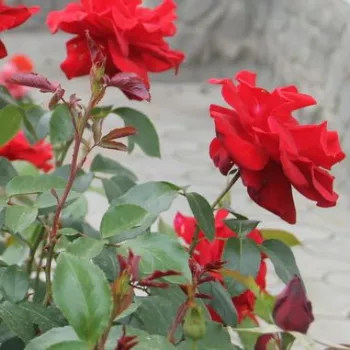
Bushy, erect habit with dense, glossy dark green foliage; height about 80–105 cm, spread 45–65 cm; moderately thorny stems; self-cleaning is poor, so spent blooms benefit from deadheading. |
| Flower morphology |
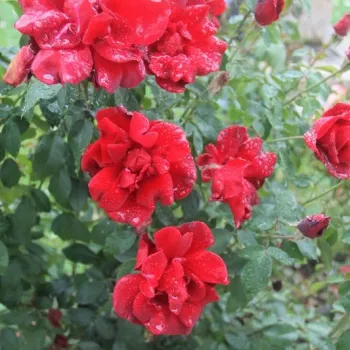
Large, double, cup-shaped hybrid tea blooms, 7–10 cm across, carried mostly solitary on stems; 26–39 petals; repeats well with an abundant second flush in suitable conditions. |
| Colour data and phenology |
Dark red overall, ARS code RB; outer petals RHS 187A, inner 53C; buds blackish dark red; vivid ruby red when opening, deepening to dusky burgundy and crimson-purple with slight edge bronzing in age. |
| Fragrance and aroma |
Gentle, fruity fragrance with a restrained intensity, noticeable at close range rather than across the garden; flowers are mainly ornamental and for cutting rather than strongly scented display. |
| Hip characteristics |
Occasionally forms small, egg-shaped orange-red hips, around 10–14 mm in diameter, adding modest late-season interest when flowers are not deadheaded for continuous blooming. |
| Resistance and winter hardiness |
Hardy to about −21 to −18 °C (H7, USDA 6b, Swedish zone 3); good black spot resistance, moderate tolerance to powdery mildew and rust; needs irrigation during prolonged heat or drought spells. |
| Horticultural recommendations |
Best in sunny, well-drained soil; spacing 55 cm for mass planting, 45 cm for hedging, 95 cm for specimens; 3.3–3.8 plants/m² in beds; maintenance medium with occasional pest control and regular deadheading. |
CHÂTEAU D´AMBOISE offers sumptuous dark-red blooms, reliable repeat flowering and long-term own-root resilience, making it a refined, easy-care choice for those planning a lasting rose feature.