DELVIOLA – lilac-pink hybrid tea rose – Delbard
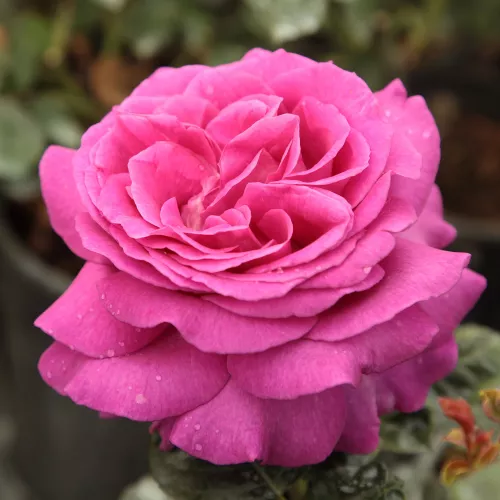
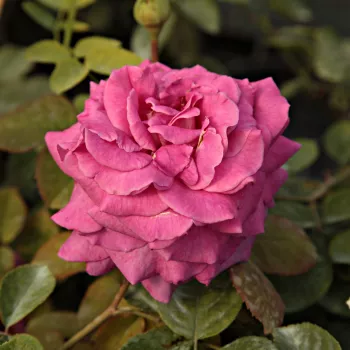
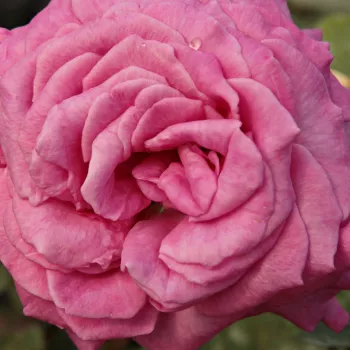
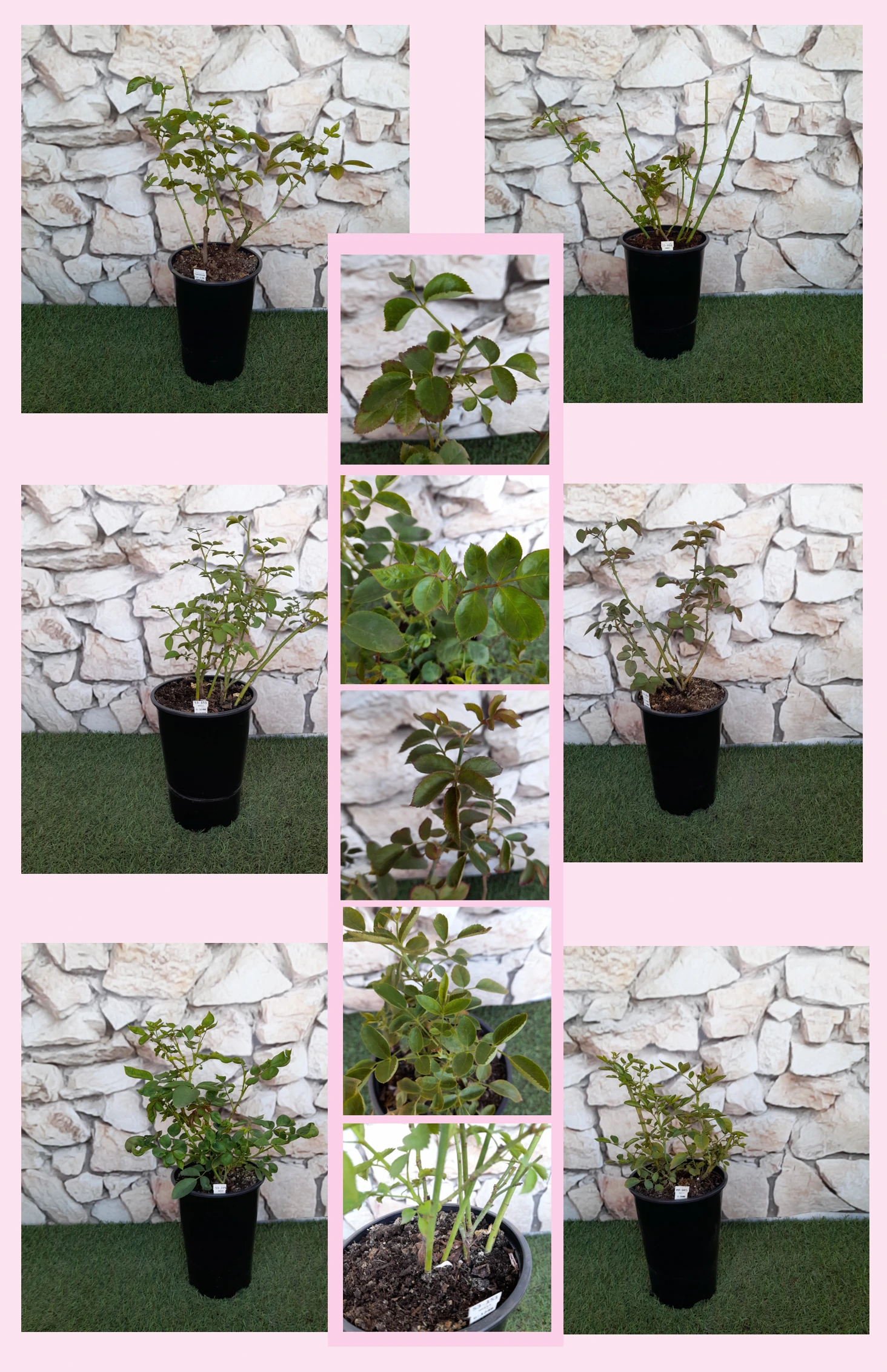
Step outside for a chartreuse moment of soft rain and lilac-pink petals, and you will understand why DELVIOLA has become a beloved, easy-going hybrid tea for Irish cottage borders and small front gardens. Bred by Delbard for fragrance, its extremely strong, garden-filling scent adds a sense of luxury to even the smallest space, while the bushy, upright habit and glossy dark foliage give structure and depth in that gentle, green, soft light our changeable weather brings. On its own roots it settles steadily, building a long-lived, reliable shrub that regenerates well after pruning and stays attractive with simple, occasional care. In our cool, damp climate it appreciates decent drainage and rewards you with a succession of high-centred blooms, moving from vivid lilac-pink to a cooler lavender glow as the season turns. Think of it as an investment in an elegantly scented walk to your front door, with roots in year one, stronger shoots in year two and full ornamental value by year three under everyday gardening.
Usage options
| Target area |
Reasoning |
| Cottage-style mixed border |
The classic hybrid tea form and bushy, upright shape slip beautifully into an Irish cottage-style border, where DELVIOLA adds height, scent and that velvety lilac-pink focal point among perennials and grasses – ideal for the hobby gardener. |
| Front garden feature shrub |
Planted close to a gate or front path, the extremely strong fragrance greets you every time you step outside, while the dense, glossy foliage keeps the plant looking smart even between flushes – perfect for the busy homeowner. |
| Cutting patch or rose bed |
The large, high-centred flowers hold well in the vase and the plant repeats, so a small cutting row or dedicated rose bed can supply regular bouquets through the season – a pleasure for the fragrance lover. |
| Own-root longevity planting |
As an own-root shrub, DELVIOLA establishes steadily, reshoots strongly from the base if ever cut back hard, and avoids issues with graft-suckers, giving you a long-lived, stable feature with minimal intervention – reassuring for the beginner gardener. |
| Partial-shade side garden |
This variety copes well with partial shade, so it can bring colour and scent to side passages or gardens with only a few hours of sun, making better use of smaller urban plots – useful for the city dweller. |
| Container near seating area |
In a large 40–50 litre pot with good drainage, DELVIOLA becomes a movable scented accent beside a bench or patio door, allowing you to enjoy its perfume up close without reworking beds – convenient for the balcony gardener. |
| Structured, low-maintenance scheme |
The bushy, upright framework and dark, glossy leaves give clear shape with only moderate pruning and deadheading, so it slips easily into simple, tidy planting plans with limited upkeep – attractive for the time-poor owner. |
| Rain-resilient family garden rose |
Well-suited to our soft, rainy weather and humid spells, DELVIOLA performs reliably in typical Irish family gardens when given reasonable drainage and airflow, bringing repeat colour through short summers – reassuring for the Irish gardener. |
Styling ideas
- Cottage Charm – Underplant DELVIOLA with airy Gypsophila repens 'Knuddel' and soft pink foxgloves to echo its lilac-pink blooms – for nostalgic cottage-garden romantics.
- Front-Door Welcome – Flank a path with a short row of DELVIOLA and low evergreen Ilex crenata balls to frame the entrance neatly – for house-proud front-garden owners.
- Scented Corner – Place one DELVIOLA in a large pot beside a favourite chair, adding lavender and thyme in nearby containers for layered fragrance – for evening unwinding outdoors.
- Moody Pastels – Combine DELVIOLA with silvery Artemisia 'Oriental Limelight' and dusky mauve perennial geraniums for a misty, romantic palette – for lovers of subtle, grown-up colour.
- Cutting Row – Line a sunny fence with spaced DELVIOLA bushes, interplanting with tall grasses for movement and an easy source of perfumed stems – for home florists and bouquet makers.
Technical cultivar profile
| Parameter |
Data |
| Name and registration |
Hybrid tea rose, registered as DELviola, marketed as Delviola / Fragrant Souvenirs d’Amour / Chartreuse de Parme, ARS exhibition name Chartreuse de Parme. |
| Origin and breeding |
Bred by Georges Delbard, France, from ‘Yves Piaget’ × ‘Nuit d’Orient’, introduced and registered in 1996 by Georges Delbard SA. |
| Awards and recognition |
Highly decorated for perfume: multiple fragrance prizes at Bagatelle, Madrid, Baden-Baden and Geneva, plus the RNRS Edland Fragrance Medal in 1997. |
| Growth and structural characteristics |
Bushy, upright shrub 80–110 cm high and 60–90 cm wide, with dense, dark green, glossy foliage and moderate prickles, forming a well-filled, vertical garden presence. |
| Flower morphology |
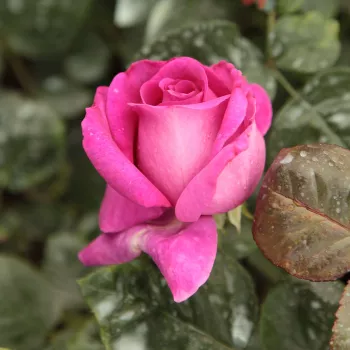
Very double, high-centred hybrid tea blooms, 7–10 cm across, with more than 40 petals, usually borne singly on strong stems, remontant with an abundant second flush. |
| Colour data and phenology |
Rich lilac-pink flowers, RHS 75A outer and 75B inner, opening vivid pink with a violet veil, then shifting toward cooler lavender tones, with generally good colour retention. |
| Fragrance and aroma |
Extremely strong, garden-filling perfume, bred specifically for scent; character reminiscent of Parma violet and classic liqueur-like floral notes, ideal for fragrance-focused plantings. |
| Hip characteristics |
Rose hips form sparsely due to the very double flowers; when present they are ellipsoidal, orange-red and about 10–14 mm in diameter, adding discreet late-season interest. |
| Resistance and winter hardiness |
Hardy to about −23 to −21 °C (H7, USDA 6a), with moderate resistance to powdery mildew, black spot and rust; appreciates regular watering in prolonged heat or drought. |
| Horticultural recommendations |
Suited to beds, specimens, cutting and large 40–50 litre containers; space 50–90 cm apart, ensure free-draining soil, regular deadheading and occasional plant protection as needed. |
DELVIOLA offers sumptuous lilac-pink hybrid tea blooms, an exceptionally strong garden-filling fragrance and a steady, long-lived own-root habit; a refined choice if you would like a reliably elegant, scented rose for years to come.