CHARLIE CHAPLIN™ – peach-yellow tea-hybrid rose – TSCHaka
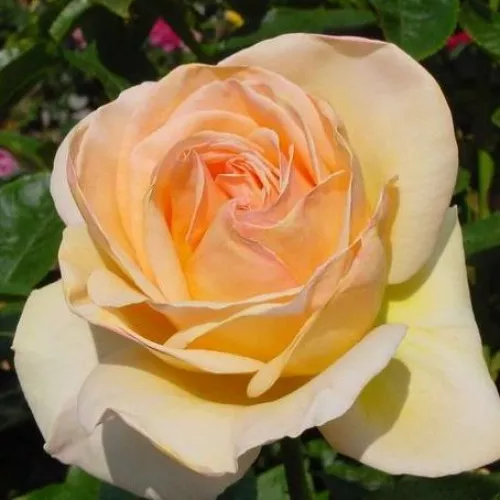
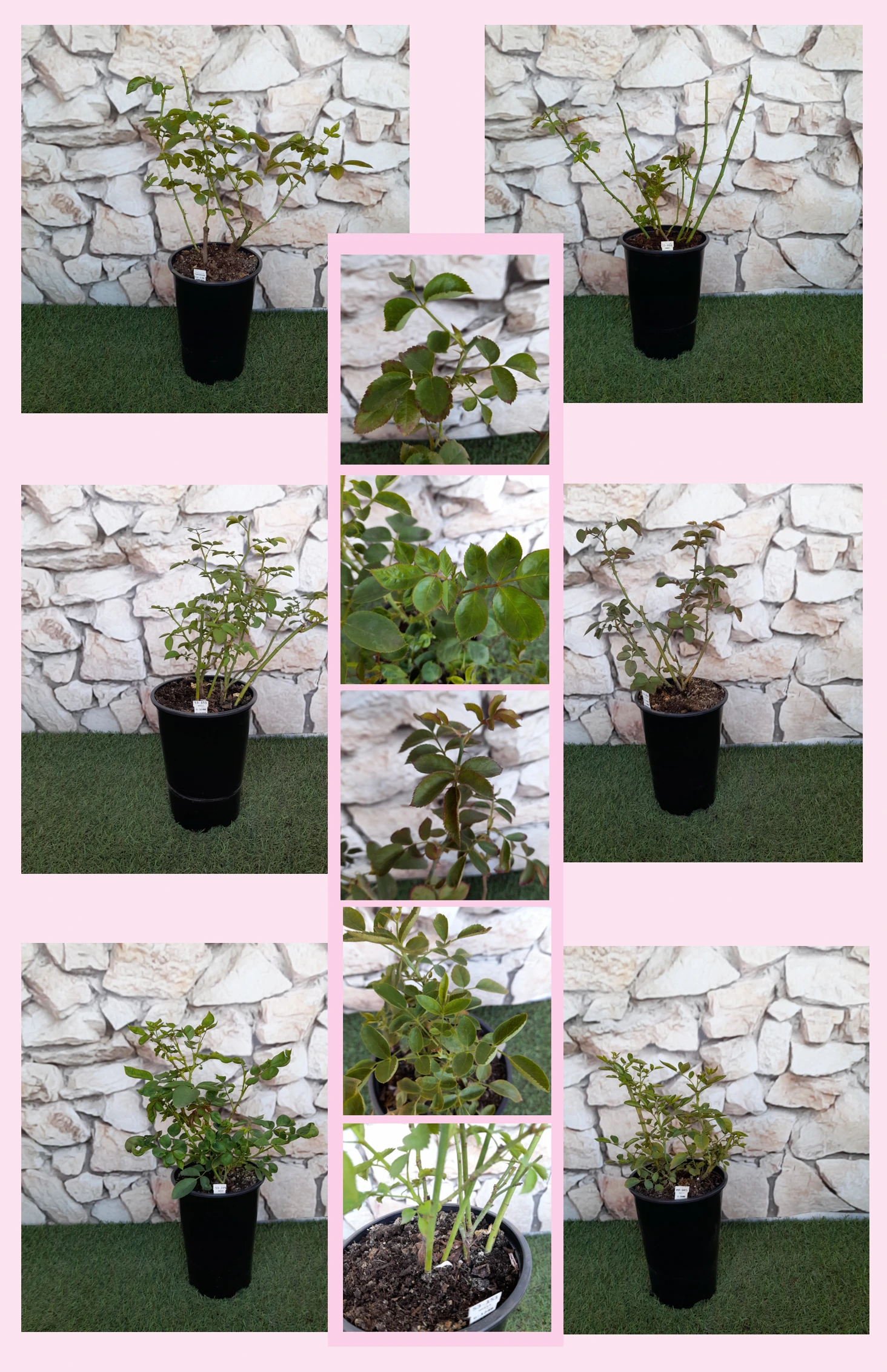
With its softly glowing peach-yellow blooms, CHARLIE CHAPLIN™ brings an air of cinematic romance to compact Irish gardens, while its remontant habit means reliably repeat waves of flowers from early summer into autumn. This hybrid tea’s high-centred blooms are perfect for cutting, so You can enjoy their gentle, peachy fruity fragrance indoors after a short walk in the rain-sparkled garden. Growing on its own roots, it establishes a long-lived, resilient framework that copes well with our cool summers and steady rain, especially where beds are given simple, reliable drainage. Medium disease resistance and glossy foliage keep the plant looking fresh with modest care, while a naturally upright, well-clothed habit makes it easy to site as a front-garden feature in either a cosy cottage border or a small Dublin terrace.
Usage options
| Target area |
Reasoning |
| Front-of-house feature by the doorway |
The upright, well-branched habit and premium hybrid tea blooms create a neat, eye-catching focal point beside steps or a gate, giving a welcoming feel without demanding advanced pruning skills – ideal for the busy homeowner. |
| Irish cottage-style mixed border |
Remontant flowering brings repeated flushes, threading warm peach-yellow tones through perennials and grasses so the border never feels bare, even in shorter summers with cool, changeable weather – perfect for the relaxed cottage-gardener. |
| Cutting patch or cut-flower row |
High-centred, long-stemmed blooms are classic exhibition-style hybrid teas, so a small row provides regular stems for vases, allowing You to enjoy garden colour and a gentle peachy scent indoors – a pleasure for the creative florist. |
| Small Dublin terrace front garden |
Its compact 65–90 cm height and 40–60 cm spread suit tight beds where every plant must deliver impact; once planted and mulched, only light deadheading and feeding are usually needed – reassuring for the time-poor city-dweller. |
| Informal low rose hedge or boundary line |
Planted at 30–35 cm centres, the upright, evenly clothed framework forms a soft, flowering partition that looks structured yet friendly, marking paths or drive edges without taking over – attractive for the practical planner. |
| Pollinator-supportive flower strip |
Semi-double blooms with partially exposed stamens offer moderate nectar and pollen access, working well when interplanted with bee-magnets like lavender or catmint to create a lively, buzzing strip – satisfying for the nature-minded gardener. |
| 40–50 litre patio container in a sunny spot |
A large, well-drained pot with quality compost and mulch lets this rose thrive where borders are limited; in roomy containers the own-root plant steadily builds a durable framework for years of colour – ideal for the balcony or patio owner. |
| Long-term family garden investment bed |
Own-root growth means the plant rebounds well from winter damage and pruning, steadily strengthening from root-building in year one, through taller shoots in year two, to full garden presence by year three – reassuring for the forward-looking family. |
Styling ideas
- Cottage Glow – Thread through a loose border with foxgloves, hardy geraniums and coral bells for a soft, storybook cottage look – suited to romantic garden-lovers.
- Terrace Welcome – Plant as a pair at a front gate with low Artemisia edging for silver contrast and year-round structure – ideal for tidy urban homeowners.
- Sunset Ribbon – Create a low hedge along a path, underplanting with Delosperma and dwarf grasses to echo the warm peach tones – perfect for pathway-focused planners.
- Patio Perfume – Grow one rose in a 50 litre container with trailing thyme and seasonal annuals to enjoy close-up blooms on a small terrace – ideal for balcony and patio users.
- Cutting Corner – Dedicate a sunny strip with spaced rows of this rose and complementary filler plants for easy, repeat harvests of home-grown bouquets – great for home florists.
Technical cultivar profile
| Characteristic |
Data |
| Name and registration |
Hybrid tea rose, registered as TSCHaka; trade name CHARLIE CHAPLIN™ – peach-yellow tea-hybrid rose. Belongs to the Rós taehibride commercial group; approved exhibition name Charlie Chaplin. |
| Origin and breeding |
Bred by Ernest Tschanz, Roseraies Tschanz SA, Switzerland; parentage unknown. Bred 1989, registered 1989 and introduced in 1990, representing a classic Swiss hybrid tea line. |
| Growth and structural characteristics |
Upright, medium-height shrub reaching about 65–90 cm with a 40–60 cm spread. Dense, mid-green glossy foliage, moderately thorny stems, suited to borders, hedging lines and container culture. |
| Flower morphology |
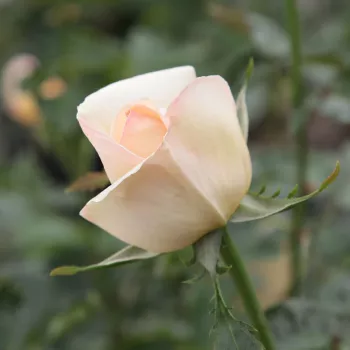
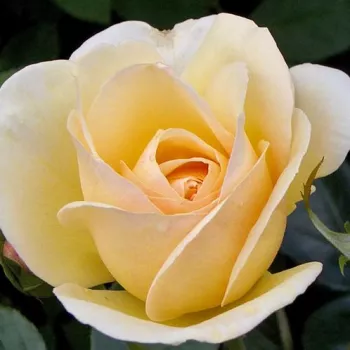
Semi-double, high-centred hybrid tea blooms with 13–25 petals, typically borne singly on stems. Large 7–10 cm flowers, pointed buds, remontant with a plentiful second flush in suitable conditions. |
| Colour data and phenology |
Deep orange-peach buds open to rich peach-yellow flowers, paler towards petal edges. Shades lighten to creamy, soft peach and pastel yellow as blooms mature, with medium colour retention over time. |
| Fragrance and aroma |
Mild, restrained scent with a peachy, fruity character noticeable at close range, particularly in still, warm weather; not overpowering, so it combines well with strongly scented companion plants. |
| Hip characteristics |
Produces spherical orange-red hips in moderate quantities, about 10–14 mm in diameter, adding late-season interest when spent flowers are not removed, and offering limited food value for wildlife. |
| Resistance and winter hardiness |
Hardy to around −21 to −18 °C (RHS H7, USDA 6b, Swedish zone 3). Resistant to powdery mildew and black spot, medium against rust; copes well with warm sites but drought tolerance is unproven. |
| Horticultural recommendations |
Best in full sun, in well-drained but moisture-retentive soil; avoid waterlogging on heavy clay. Space 30–55 cm depending on use. Deadhead, feed, mulch and occasionally protect to maintain peak performance. |
CHARLIE CHAPLIN™ offers repeat peach-yellow blooms, compact upright structure and moderate pollinator interest on a durable own-root framework, making it a graceful long-term choice for Irish family gardens you may wish to consider.