CASANOVA – pale yellow hybrid tea rose – McGredy
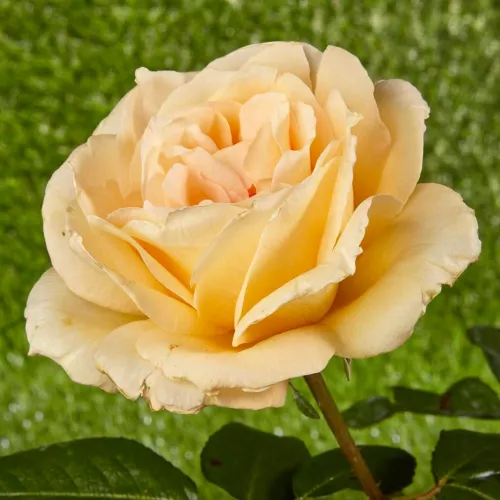
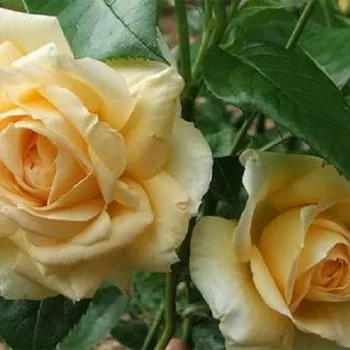
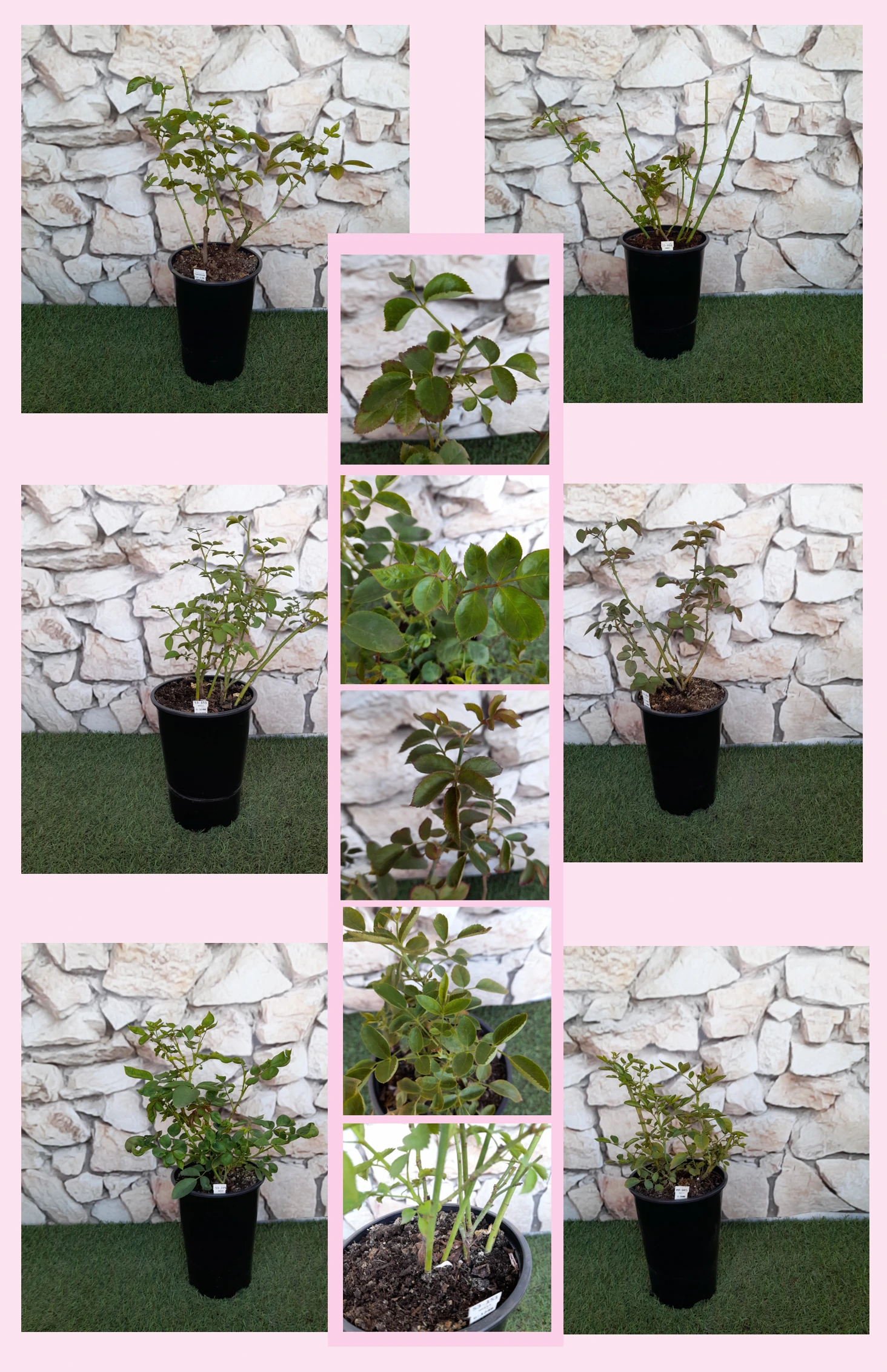
Bring a mood of gentle elegance to your Irish garden with CASANOVA, a pale lemon-cream hybrid tea rose that looks as if it has stepped from a classic painting. Its high‑centred blooms are perfect for cutting, so you can enjoy their medium, sweet perfume indoors as well as outside after a light shower. Bred by McGredy, this upright, well‑branched plant offers quietly reliable flowering from early summer into autumn, coping steadily with cool summers and frequent rainfall in smaller family gardens. Disease resistance is strong, so You can keep care pleasantly simple: a sunny spot, decent drainage for heavier clay soils and light yearly pruning. Planted on its own roots, CASANOVA grows into a stable, long‑lived feature that can be refreshed from the base, settling in over three seasons as roots establish, shoots build, and full impact arrives by year three, ideal for a soft, “girly” cottage‑style front‑garden.
Usage options
| Target area |
Reasoning |
| Feature rose in a small front garden bed |
The upright, medium-tall habit and pale lemon-cream blooms give a graceful focal point without overwhelming a narrow Dublin terrace or cottage frontage. Its dependable repeat flowering keeps the entrance welcoming for visitors and suits the tastes of the style-conscious homeowner. |
| Classic cutting patch near the back door |
High-centred, exhibition-type flowers on long stems are ideal for vases, bringing a traditional hybrid tea look indoors. The medium, sweet fragrance is clearly noticeable without being overpowering, appealing to the fragrance-loving gardener. |
| Low-maintenance mixed flower border |
Good resistance to black spot, mildew and rust means less spraying and fuss, even in damper districts, so CASANOVA suits busy households who want reliable roses with minimal intervention, especially the time-poor beginner. |
| Long-lived specimen beside a path or patio |
As an own-root rose, CASANOVA ages steadily and can regenerate from the base if cut back, giving a stable shape and ornamental value over many years, which reassures the long-term planner. |
| Romantic cottage-garden style planting |
The soft pastel yellow tones blend beautifully with pinks, whites and mauves, creating a gentle, “girly” atmosphere that still feels refined and suits the romantic cottage-gardener. |
| Neat flowering hedge or line along a drive |
Regular spacing at about 40–50 cm allows an even, upright row, giving structure and privacy while the large, refined blooms add seasonal charm, which will appeal to the orderly garden owner. |
| Family garden beds in cool, wet-summer areas |
CASANOVA flowers repeatedly even where summers are short, and it copes well with breezy, moisture-laden conditions typical of many Irish plots, making it a sound choice for the climate-aware homeowner. |
| Large container on a sunny, sheltered terrace |
Grown in a 40–50 litre pot with free-draining compost, this rose lends structure and perfume to a patio without needing a big border, and is particularly convenient for the urban balcony-gardener. |
Styling ideas
- COTTAGE RIBBON – Thread CASANOVA through a border of pink geraniums and white campanula for a loose, storybook cottage look – ideal for romantic homeowners.
- SOFT SUNRISE – Pair its pastel yellow blooms with lavender and creeping thyme underplanting to create a scented, bee-friendly edge where space allows – perfect for nature-minded families.
- PALE ELEGANCE – Combine with white foxgloves and silver-foliage artemisia in a narrow front bed for a calm, refined street-facing display – suited to style-conscious city dwellers.
- EVENING VASE – Dedicate a small cutting row with CASANOVA, white cosmos and soft grasses so You can gather relaxed, perfumed bunches for the house – great for busy beginners.
- PATHWAY FOCUS – Plant a single specimen at a path curve with low parsley and Euonymus fortunei ‘Minimus’ at its feet for year-round structure and summer bloom – appealing to practical planners.
Technical cultivar profile
| Parameter |
Data |
| Name and registration |
Hybrid tea rose, trade name CASANOVA – pale yellow hybrid tea rose – McGredy, ARS exhibition name Casanova; unregistered cultivar, part of the hybrid tea rose group Rós taehibride. |
| Origin and breeding |
Bred by Samuel Darragh McGredy IV from ‘Queen Elizabeth’ × ‘Perfecta’, raised in England in 1957 and introduced in the United Kingdom in 1964 by Fisons Horticulture Ltd. |
| Awards and recognition |
Received a Certificate of Merit at the Geneva Rose Trials in 1963, reflecting its ornamental quality and performance under trial conditions in a recognised European competition. |
| Growth and structural characteristics |
Upright hybrid tea shrub reaching about 100–140 cm in height and 55–85 cm in spread, moderately leafy with light green foliage and relatively sparse prickles, suited to beds, hedges and specimens. |
| Flower morphology |
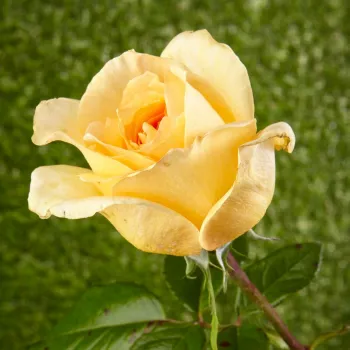
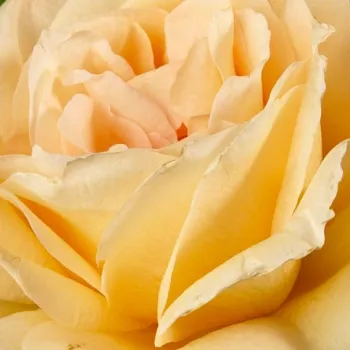
Large, high-centred, pointed-budded blooms over 10 cm across, double with 26–39 petals, borne mainly singly on stems; reblooms well with a notably abundant second flush in suitable conditions. |
| Colour data and phenology |
Pale straw to cream-yellow blooms, deeper straw at the base and paler outer petals; in strong sun the colour fades towards cream-white, giving a soft overall lemon-cream effect through the flowering season. |
| Fragrance and aroma |
Clearly scented with a medium-strength, sweet rose fragrance noticeable in the garden and on cut stems, adding sensory interest without becoming cloying when several blooms open together. |
| Hip characteristics |
Heavy doubleness limits hip set; occasionally forms small, ovoid orange-red hips about 10–14 mm across, adding minor late-season interest rather than being a principal ornamental feature. |
| Resistance and winter hardiness |
Good resistance to black spot, powdery mildew and rust under normal garden conditions; winter hardy approximately to −21 to −18 °C (RHS H7, USDA 6b, Swedish zone 3) with standard protection. |
| Horticultural recommendations |
Best in a sunny, well-drained site; dislikes drought and extreme heat. Space 40–75 cm depending on use, improve drainage on heavy soils, deadhead spent blooms and prune annually to maintain form and flowering. |
CASANOVA – pale yellow hybrid tea rose – McGredy offers refined blooms for cutting, reliable repeat flowering and long-lived own-root growth, making it a thoughtful choice for gardeners seeking enduring elegance and ease.