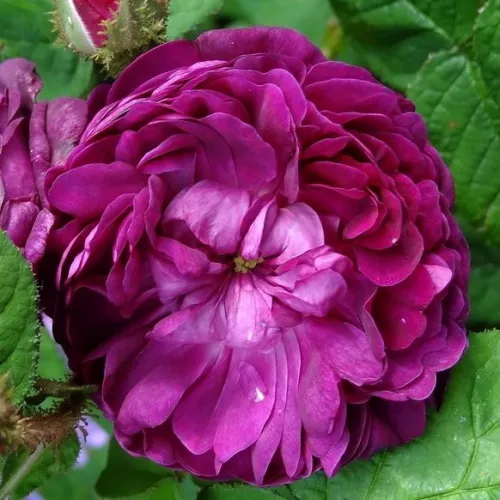
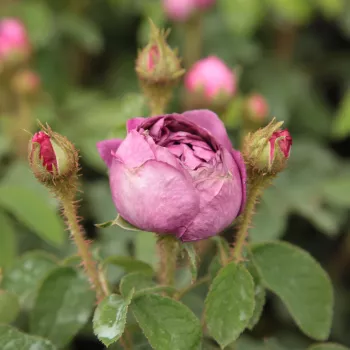
CAPITAINE JOHN INGRAM – crimson-purple historic moss rose - Laffay
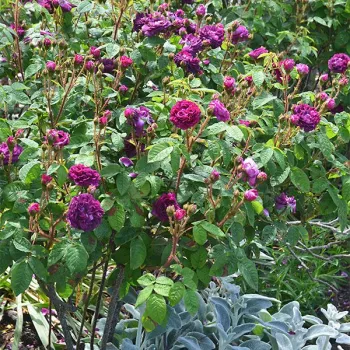
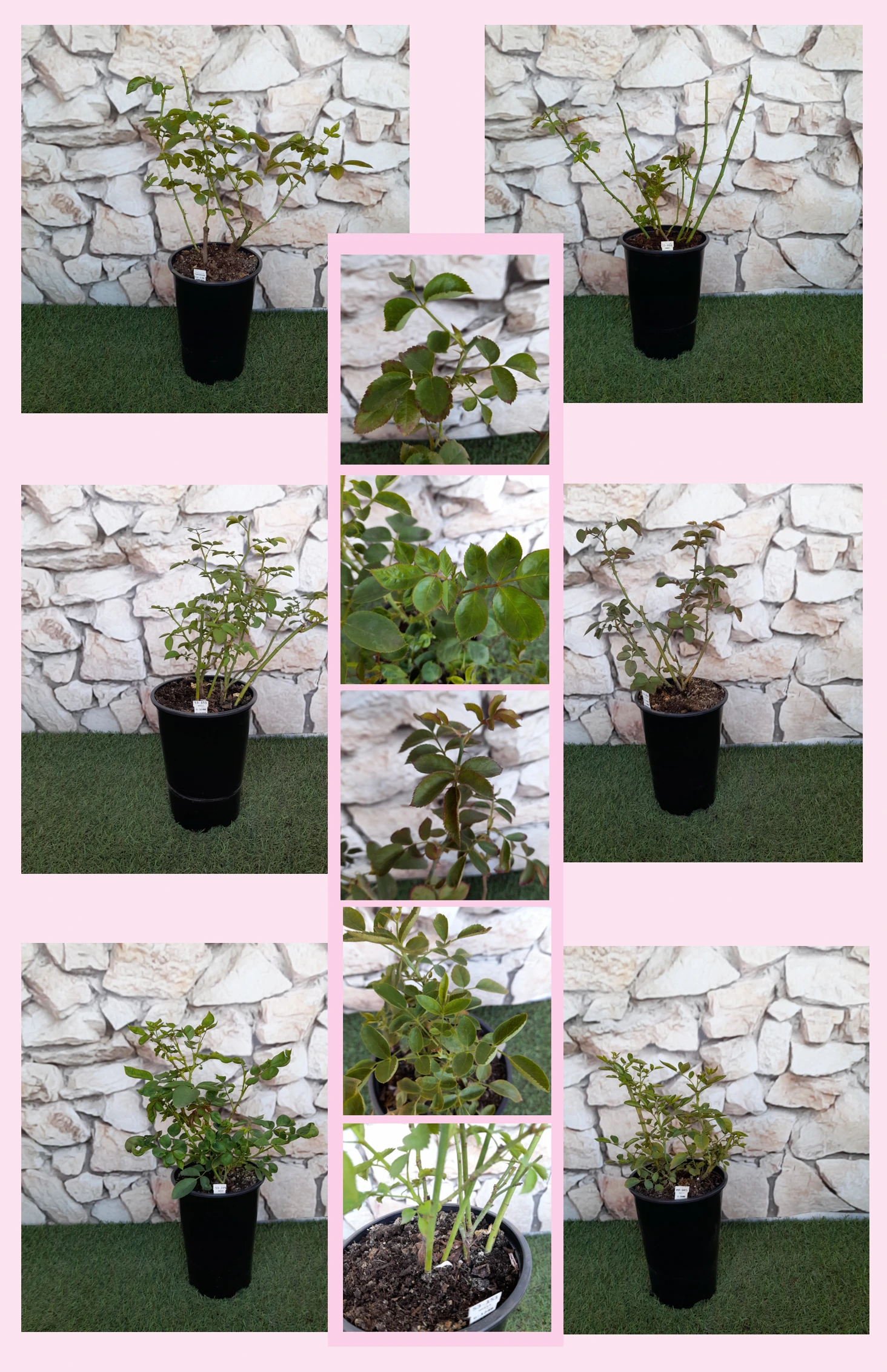
Step out to the garden after a soft shower and let CAPITAINE JOHN INGRAM wrap you in its velvety, crimson-purple bloom and intoxicating perfume, echoing the romance of old Irish cottage plots while coping steadily with typical rainfall and cool summers. This moss rose brings a sense of heritage to small Dublin front spaces, forming a gently arching, mid-height structure that sits beautifully beside low stone walls or picket fences. Grown on its own roots for long-term stability in heavy soils, it is a thoughtful choice if you want characterful flowering with a minimum of fuss once established, building from quiet root growth to fuller shoots and finally rich, mature presence over three graceful years.
Usage options
| Target area |
Reasoning |
| Cottage-style front garden feature |
Use as a mid-height focal shrub near a path or gate, where its deep burgundy rosettes and mossy buds can be appreciated up close, adding period charm without overwhelming a small frontage; well suited to heritage-loving homeowners. |
| Historic shrub rose border |
Plant in a mixed historic rose border with other period varieties to create a once-a-year, show-stopping flowering wave, its tall, bushy shape filling vertical gaps and offering an authentic 19th‑century character for traditionalist collectors. |
| Specimen in a lawn or gravel bed |
Give it space as a single specimen on a small lawn corner or in a gravel bed, where its arching habit and strong scent can be enjoyed from all sides and pruning remains straightforward for busy yet style-conscious gardeners. |
| Informal flowering hedge |
In a narrow front garden, plant as a loose hedge at recommended spacing to form a living, scented screen that softens boundaries while remaining permeable to light, ideal for privacy-seeking urban families. |
| Large container on patio or terrace |
Grow in a sturdy 40–50 litre container with good drainage, where you can better manage soil and watering while showcasing its fragrance near a seating area, a practical option for paved-space and balcony-focused residents. |
| Cut-flower production corner |
Allocate a sunny bed for cutting stems at peak bloom, bringing the powerful spicy perfume indoors; its medium-sized, double rosettes hold well in informal vases, rewarding fragrance-oriented enthusiasts. |
| Clay-soil cottage bed with shrubs |
Combine with lilacs and shrubby cinquefoil in well-drained but heavier soil, where its own-root robustness supports long-term structure even in wetter spells, echoing traditional plantings for rural and village gardeners. |
| Sheltered spot in cool, wet gardens |
Choose a sunny, airy position that still provides some shelter, helping foliage to dry between showers in our cool, damp climate with frequent soft rain, a sensible match for weather-aware Irish beginners. |
Styling ideas
- Cottage-Classic – Pair with foxgloves, hardy geraniums and shrubby cinquefoil for a soft, layered cottage feel that highlights its heritage character – ideal for romantic front-garden dreamers
- Victorian-Front – Underplant with lavender and catmint along a low railing so the deep crimson flowers and rich scent greet you at the gate – perfect for period terraced-house owners
- Evening-Scent – Position near a bench with white campion and pale irises to catch the powerful fragrance on calm evenings – suited to fragrance-focused evening relaxers
- Heritage-Mix – Interweave with old lilacs and dogwoods in a mixed shrub bed, letting its arching form add depth without dominating – for gardeners curating a historic-look collection
- Container-Corner – Grow in a 50 litre pot with loose meadow-style companions like airy grasses, so the rose provides structure and scent while the planting stays low-maintenance – great for compact patio keepers
Technical cultivar profile
| Property |
Data |
| Name and registration |
Capitaine John Ingram is a historic moss rose, heritage shrub type; grown here on its own roots, supplied as a 2‑litre container plant for reliable establishment in family gardens. |
| Origin and breeding |
Bred by Jean Laffay in France and introduced in 1854, with unknown parentage; an unregistered historic variety maintained in cultivation for its colour, perfume and period character. |
| Growth and structural characteristics |
Bushy, slightly spreading shrub reaching around 120–190 cm high and 80–120 cm wide, with moderately dense, matt mid‑green foliage and characteristically mossy, densely thorned stems and buds. |
| Flower morphology |
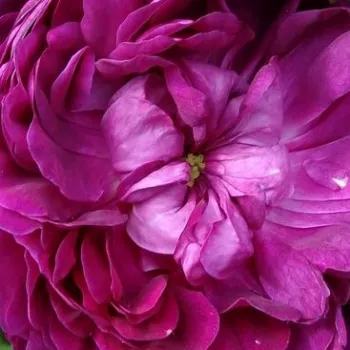
Medium-sized, double, rosette-shaped blooms, generally 4–7 cm across with 26–39 petals, produced singly in a once-flowering summer display rather than repeat flushes later in the season. |
| Colour data and phenology |
Deep crimson to burgundy flowers with a purplish hue; buds dark and velvety, opening to rich tones that may darken or lighten slightly with strong sun and changing light through the day. |
| Fragrance and aroma |
Extremely strong, garden-filling scent with a deeply spicy character; ideal for planting where air movement can carry the perfume towards paths, doors, windows and regular seating spots. |
| Hip characteristics |
Fruit set is usually poor due to the double flower form, but occasional small spherical orange-red hips, 10–15 mm across, may appear and add a discreet seasonal accent in autumn. |
| Resistance and winter hardiness |
Very susceptible to black spot, mildew and rust, needing regular protection; fully hardy to about −26 °C (H7, USDA 5b), coping well with typical Irish winter conditions when sited sensibly. |
| Horticultural recommendations |
Best in full sun with fertile, well-drained soil; allow 80–150 cm spacing depending on use, water in dry spells, and use preventative disease care to maintain foliage and flowering quality. |
CAPITAINE JOHN INGRAM brings intensely fragrant, velvety historic blooms on a long-lived own-root shrub, offering enduring structure and old-world charm for those ready to cherish a characterful rose choice.