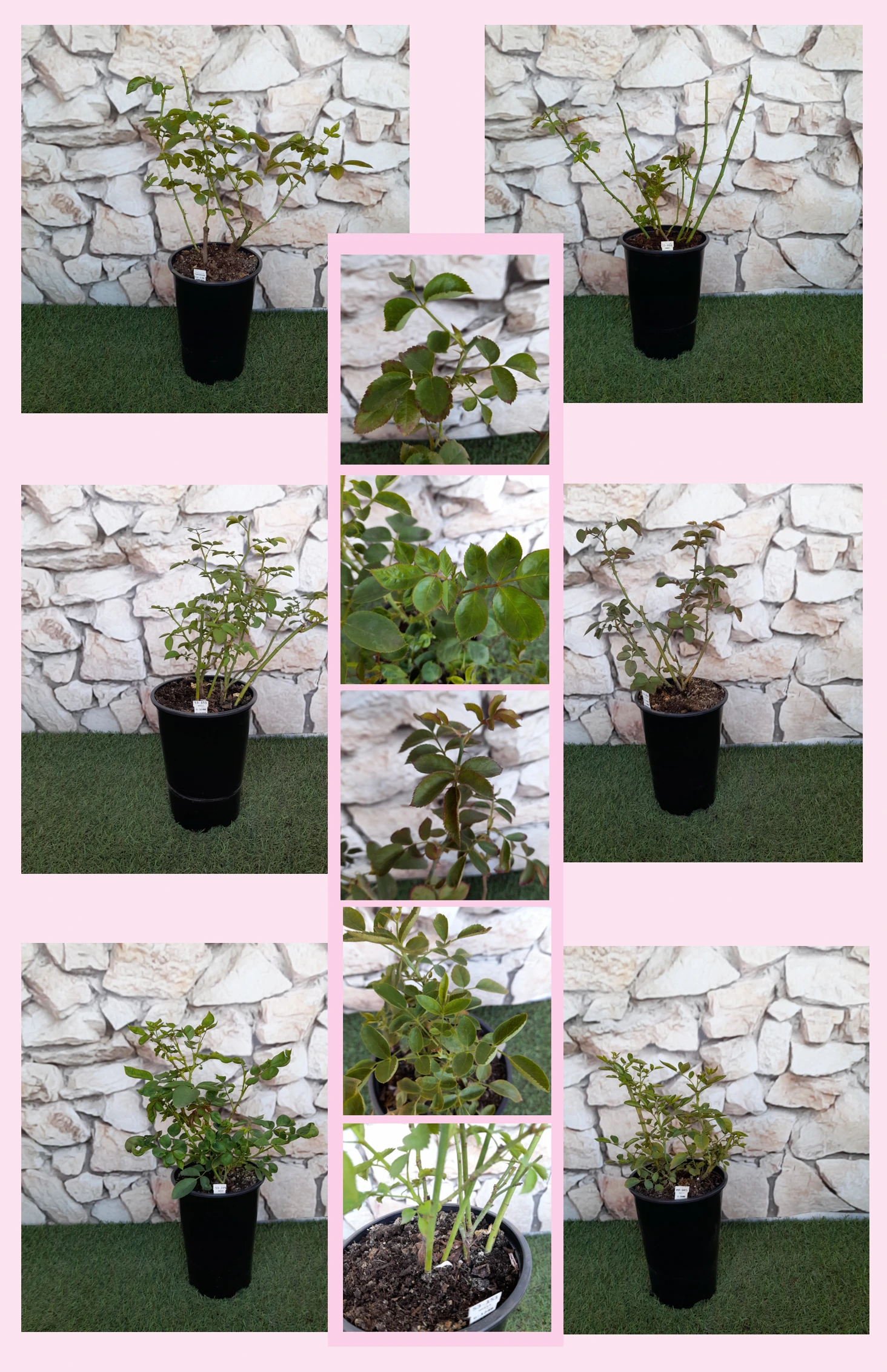
Historical Rose

52-619-1
52-619-2

Capitaine John Ingram

Historic rose

- – Jean Laffay

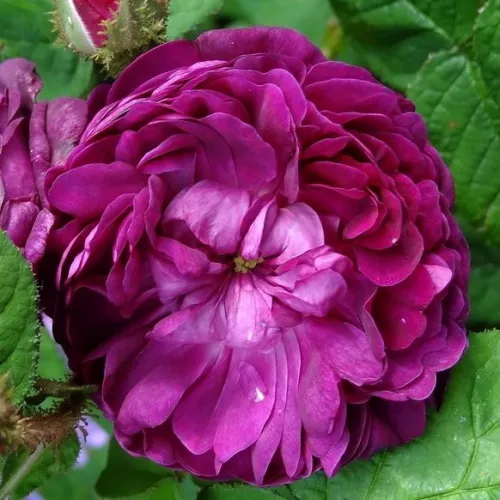
Uniformly deep crimson red with a slight purplish hue. - heritage rose, moss rose - extremely strong, garden-filling scented rose - deeply spicy aroma

– Velvety crimson-purple blooms with historic charm.
– Extremely strong, garden-filling spicy fragrance.
– Tall, bushy shrub for striking focal points.
– Excellent for cut flowers and bouquets.
– Hardy to severe frost, reliable in Irish winters.
Gné speisialta: fíor-mhosróis stairiúil ó Laffay, 1854, do bhailitheoirí fíordhíograiseacha.
Thinking of your garden's future – Nature-friendly operation
Capitaine John Ingram
antoniaROSE® ORIGINAL rós i bpota 2 lítear ar a fhréamhacha féin
17,60 €
As stoc. Faoi shaothrú. Go sealadach gan fáil.
4.5 (6443)
facebook   twitter

CAPITAINE JOHN INGRAM – crimson-purple historic moss rose - Laffay

Step out to the garden after a soft shower and let CAPITAINE JOHN INGRAM wrap you in its velvety, crimson-purple bloom and intoxicating perfume, echoing the romance of old Irish cottage plots while coping steadily with typical rainfall and cool summers. This moss rose brings a sense of heritage to small Dublin front spaces, forming a gently arching, mid-height structure that sits beautifully beside low stone walls or picket fences. Grown on its own roots for long-term stability in heavy soils, it is a thoughtful choice if you want characterful flowering with a minimum of fuss once established, building from quiet root growth to fuller shoots and finally rich, mature presence over three graceful years.


Usage options

Target area Reasoning
Cottage-style front garden feature Use as a mid-height focal shrub near a path or gate, where its deep burgundy rosettes and mossy buds can be appreciated up close, adding period charm without overwhelming a small frontage; well suited to heritage-loving homeowners.
Historic shrub rose border Plant in a mixed historic rose border with other period varieties to create a once-a-year, show-stopping flowering wave, its tall, bushy shape filling vertical gaps and offering an authentic 19th‑century character for traditionalist collectors.
Specimen in a lawn or gravel bed Give it space as a single specimen on a small lawn corner or in a gravel bed, where its arching habit and strong scent can be enjoyed from all sides and pruning remains straightforward for busy yet style-conscious gardeners.
Informal flowering hedge In a narrow front garden, plant as a loose hedge at recommended spacing to form a living, scented screen that softens boundaries while remaining permeable to light, ideal for privacy-seeking urban families.
Large container on patio or terrace Grow in a sturdy 40–50 litre container with good drainage, where you can better manage soil and watering while showcasing its fragrance near a seating area, a practical option for paved-space and balcony-focused residents.
Cut-flower production corner Allocate a sunny bed for cutting stems at peak bloom, bringing the powerful spicy perfume indoors; its medium-sized, double rosettes hold well in informal vases, rewarding fragrance-oriented enthusiasts.
Clay-soil cottage bed with shrubs Combine with lilacs and shrubby cinquefoil in well-drained but heavier soil, where its own-root robustness supports long-term structure even in wetter spells, echoing traditional plantings for rural and village gardeners.
Sheltered spot in cool, wet gardens Choose a sunny, airy position that still provides some shelter, helping foliage to dry between showers in our cool, damp climate with frequent soft rain, a sensible match for weather-aware Irish beginners.

Styling ideas

  • Cottage-Classic – Pair with foxgloves, hardy geraniums and shrubby cinquefoil for a soft, layered cottage feel that highlights its heritage character – ideal for romantic front-garden dreamers
  • Victorian-Front – Underplant with lavender and catmint along a low railing so the deep crimson flowers and rich scent greet you at the gate – perfect for period terraced-house owners
  • Evening-Scent – Position near a bench with white campion and pale irises to catch the powerful fragrance on calm evenings – suited to fragrance-focused evening relaxers
  • Heritage-Mix – Interweave with old lilacs and dogwoods in a mixed shrub bed, letting its arching form add depth without dominating – for gardeners curating a historic-look collection
  • Container-Corner – Grow in a 50 litre pot with loose meadow-style companions like airy grasses, so the rose provides structure and scent while the planting stays low-maintenance – great for compact patio keepers

Technical cultivar profile
Property Data
Name and registration Capitaine John Ingram is a historic moss rose, heritage shrub type; grown here on its own roots, supplied as a 2‑litre container plant for reliable establishment in family gardens.
Origin and breeding Bred by Jean Laffay in France and introduced in 1854, with unknown parentage; an unregistered historic variety maintained in cultivation for its colour, perfume and period character.
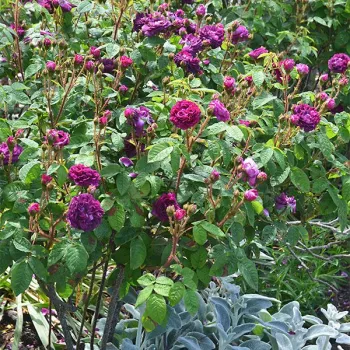
Growth and structural characteristics Bushy, slightly spreading shrub reaching around 120–190 cm high and 80–120 cm wide, with moderately dense, matt mid‑green foliage and characteristically mossy, densely thorned stems and buds.
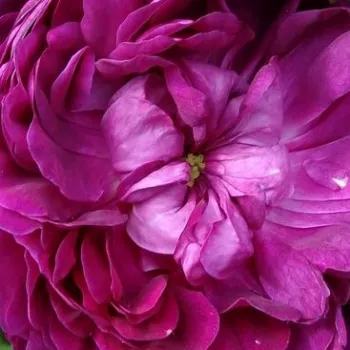
Flower morphology Medium-sized, double, rosette-shaped blooms, generally 4–7 cm across with 26–39 petals, produced singly in a once-flowering summer display rather than repeat flushes later in the season.
Colour data and phenology Deep crimson to burgundy flowers with a purplish hue; buds dark and velvety, opening to rich tones that may darken or lighten slightly with strong sun and changing light through the day.
Fragrance and aroma Extremely strong, garden-filling scent with a deeply spicy character; ideal for planting where air movement can carry the perfume towards paths, doors, windows and regular seating spots.
Hip characteristics Fruit set is usually poor due to the double flower form, but occasional small spherical orange-red hips, 10–15 mm across, may appear and add a discreet seasonal accent in autumn.
Resistance and winter hardiness Very susceptible to black spot, mildew and rust, needing regular protection; fully hardy to about −26 °C (H7, USDA 5b), coping well with typical Irish winter conditions when sited sensibly.
Horticultural recommendations Best in full sun with fertile, well-drained soil; allow 80–150 cm spacing depending on use, water in dry spells, and use preventative disease care to maintain foliage and flowering quality.

CAPITAINE JOHN INGRAM brings intensely fragrant, velvety historic blooms on a long-lived own-root shrub, offering enduring structure and old-world charm for those ready to cherish a characterful rose choice.
Detailed product attributes

Product Identification Data

Product Name: CAPITAINE JOHN INGRAM – crimson-purple historic moss rose - Laffay
Product Type: antoniaROSE® ORIGINAL - rós i bpota 2 lítear ar a fhréamhacha féin
Cultivar Authenticity: Cigireáilte:08.03.2025
Cultivar Merit Rating: premium bronze
Item Number: [10] 52-619 (14.02.2026) antoniarose.ie

Name and Registration

Cultivar Name Meaning: The name honours Captain John Ingram.
Synonym Name: Captain Ingram
Original Commercial Cultivar Name: Capitaine John Ingram
Trade Name: Capitaine John Ingram Historic rose Laffay
Rose Group: Moss
Commercial Type: heritage rose, moss rose
Commercial Group: Rós stairiúil
Exhibition Category: historic shrub rose
Collection: Historic rose

Origin and Breeding

Initial Distributor: Laffay (France, 1854)
Registration Year: unregistered variety
Breeder: Jean Laffay
Breeding Company / Institution: unknown / no data
Breeding Year: France, 1854
Parentage: unknown

Growth and Structural Characteristics

Height: 120-190 cm
Spread: 80-120 cm
Growth Habit: bushy, slightly spreading
Foliage: The variety has moderately dense foliage; its leaves have a matt surface and a mid-green shade.
Prickliness: densely thorned
Self-Cleaning Description: No data on self-cleaning.
Self-Cleaning Intensity: No data available on self‑cleaning strength.

Flower Morphology

Petal Count: 26-39
Flower Fullness: double-flowered
Flower Form: rosette
Flower Size: M (4 -7 cm)
Inflorescence Type: solitary
Colour Code: ARS code: m RHS code: 187A (outer), 187B (inner)
Repeat Flowering: Non-remontant, blooms once.

Colour Data and Phenology

Colour: crimson-red
Flower Colour: Uniformly deep crimson red with a slight purplish hue.
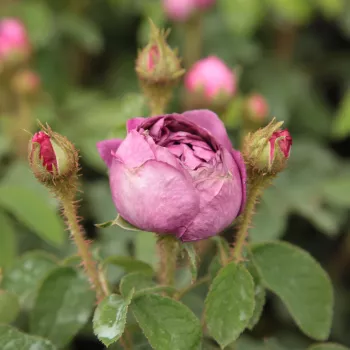
Closed Bud: Dark, velvety crimson red.
Freshly Opened Flower: Deep burgundy-crimson petals, with a delicate lilac tone inside.
Full Bloom: Velvety, deep burgundy shade with a faint lilac shimmer in the centre.
Pre-Fading Flower: Brownish to purplish darkening, with a smoky purple tinge at the edges.
Colour Fading Description: Under strong sunlight the colour lightens slightly; it varies with lighting conditions.

Fragrance and Aroma

Fragrance Strength: extremely strong, garden-filling scented rose
Fragrance Character: deeply spicy aroma
Pollinator Attraction: Its strongly double flower form and the reduced accessibility of its stamens make it only weakly attractive to pollinators.
Pollinator-Friendly Rating: Its double flowers partially conceal the stamens, so it attracts pollinators only to a limited extent and is primarily an ornamental variety.

Rose Hip Characteristics

Rose Hip Shape: spherical
Rose Hip Colour: orange-red
Rose Hip Notes: Fruit set is expected to be poor because of the double flowers; it occasionally produces spherical, orange-red hips 10–15 mm in diameter.

Resistance and Hardiness

Hardiness (°C): -26–-23 °C
Heat and Drought Tolerance Description: Tolerates heat and drier periods moderately; requires watering during prolonged drought.
Disease Resistance: very susceptible
  • powdery mildew – very susceptible
  • black spot – very susceptible
  • rust – very susceptible

Horticultural Recommendations

Recommended Spacing: 90 cm for mass planting, 80 cm for hedging, 150 cm as a specimen
Planting Density: in square planting 1,2 plants/m², in hexagonal arrangement 1,4 plants/m²
Partial Shade Tolerance: Best suited to a sunny position
Maintenance Requirements: Maintenance requirement high; very susceptible to diseases, regular plant protection required.
Key Uses: flower bed, park, specimen plant, cut flower

Notes

Strengths: Thinking of your garden's future – Nature-friendly operation
Companion Plants: Potentilla fruticosa - shrubby cinquefoil Cornus sericea 'Hedgerows Gold' - silky dogwood Syringa 'Dark Purple' - lilac
Note: -
CAPITAINE JOHN INGRAM – crimson-purple historic moss rose - Laffay
Uniformly deep crimson red with a slight purplish hue. - heritage rose, moss rose - extremely strong, garden-filling scented rose - deeply spicy aroma
Ceannaigh rósanna ar líne - heritage rose, moss rose - Capitaine John Ingram - crimson-red - (120-190 cm)
Bláthaireacht: solitary airde: 120-190 cm Cruth na bláthanna: rosette Friotaíocht gheimhridh: - crimson-red - Laffay (France, 1854) heritage rose, moss rose - Méid an bhlátha: M (4 -7 cm) Méid an bhlátha: M (4 -7 cm) - airde: 120-190 cm airde: 120-190 cm - Líon bláthanna: double-flowered Capitaine John Ingram - Rósanna sa ghairdín | antoniaROSE® Original - premium bronze Jean Laffay

Léirímid cuma sheachtrach ár rósanna atá le ceannach ar líne ónár siopa gréasáin.


Which product type is right for you?


Information

In what condition do we send the roses from our online shop?

Let us ask ourselves the question: What do I want to use the rose for?
Flower? – Location? – Screening? – Fragrance? – Height? – Breeder? – Rose hips?

Rose purchase information
Payment methods – Delivery costs – Delivery – Complaints handling

Care guide

Our product is a rose grown with unique pharmaROSA® cultivation technology!

2 litre, own-root, potted rose.
With shoots appropriate to the season.
With roots thoroughly interwoven through the growing medium.
Quality in line with the requirements of the E.N.A. (European Nurserystock Association).
In unique packaging that prevents damage.
Can be planted during frost-free periods.
True-to-type rose plant with an individual identifier.

The pharmaROSA® own-root potted rose is a well-rooted plant that supports reliable establishment when planted and cared for properly, so it can be planted whenever the soil is not frozen.


Stock: several varieties and several stages of development in a short stock section.
Shoot system: intensive growth of fresh basal shoots on a young plant.
Root system: presentation of the strong root system interwoven through the growing medium with the pot removed.
Balance: mature plant where the development of the root system and the shoots is in harmony.

Information about the videos
The video series is not a “seasonal showcase”, but makes the essence of pharmaROSA® own-root production tangible: how the plant is built, what the root system is like and how the shoots renew themselves. The footage was therefore taken at different times, showing plants at different stages of development, so mixed leaf coverage or differing growth stages may appear in the videos. This is not a “sample” of the batch delivered, but an illustration of how the technology works. The current condition of the rose available to order — typical of the given period and similar to what you can expect to receive in the parcel — is shown at the top of the product page.

pharmarosa.compharmarosa.co.ukpharmarosa.ropharmarosa.skpharmarosa.depharmarosa.sipharmarosa.czpharmarosa.atpharmarosa.hrpharmarosa.frpharmarosa.itpharmarosa.plpharmarosa.espharmarosa.bepharmarosa.nlpharmarosa.lupharmarosa.dkpharmarosa.iepharmarosa.grpharmarosa.bgpharmarosa.sepharmarosa.fipharmarosa.lvpharmarosa.ltpharmarosa.eepharmarosa.ptpharmarosa.ru

Cineálacha táirgí

Pages for private customers
Garden roses for the family garden, with minimal care  → ORIGINAL®
Premium garden roses – instant impact, a truly showpiece garden  → EXTRA®
Pages for professionals and private customers
Roses for public spaces – large areas, sustainable maintenance  → NATURAL®
Roses for projects – hedge and row planting, fast implementation  → RAPID®
For professional partners only
Production – propagation material for garden roses, wholesale  → NEONATAL®

Sonraí cuideachta

PharmaRosa Ltd.
Company registration number: 01-09-717479
VAT number: 13075314-2-43
Plant health registration no.: HU130721
Bank account (IBAN):
HU85117631891388688400000000
BIC (SWIFT): OTPVHUHB
Bank name: OTP Bank Nyrt.