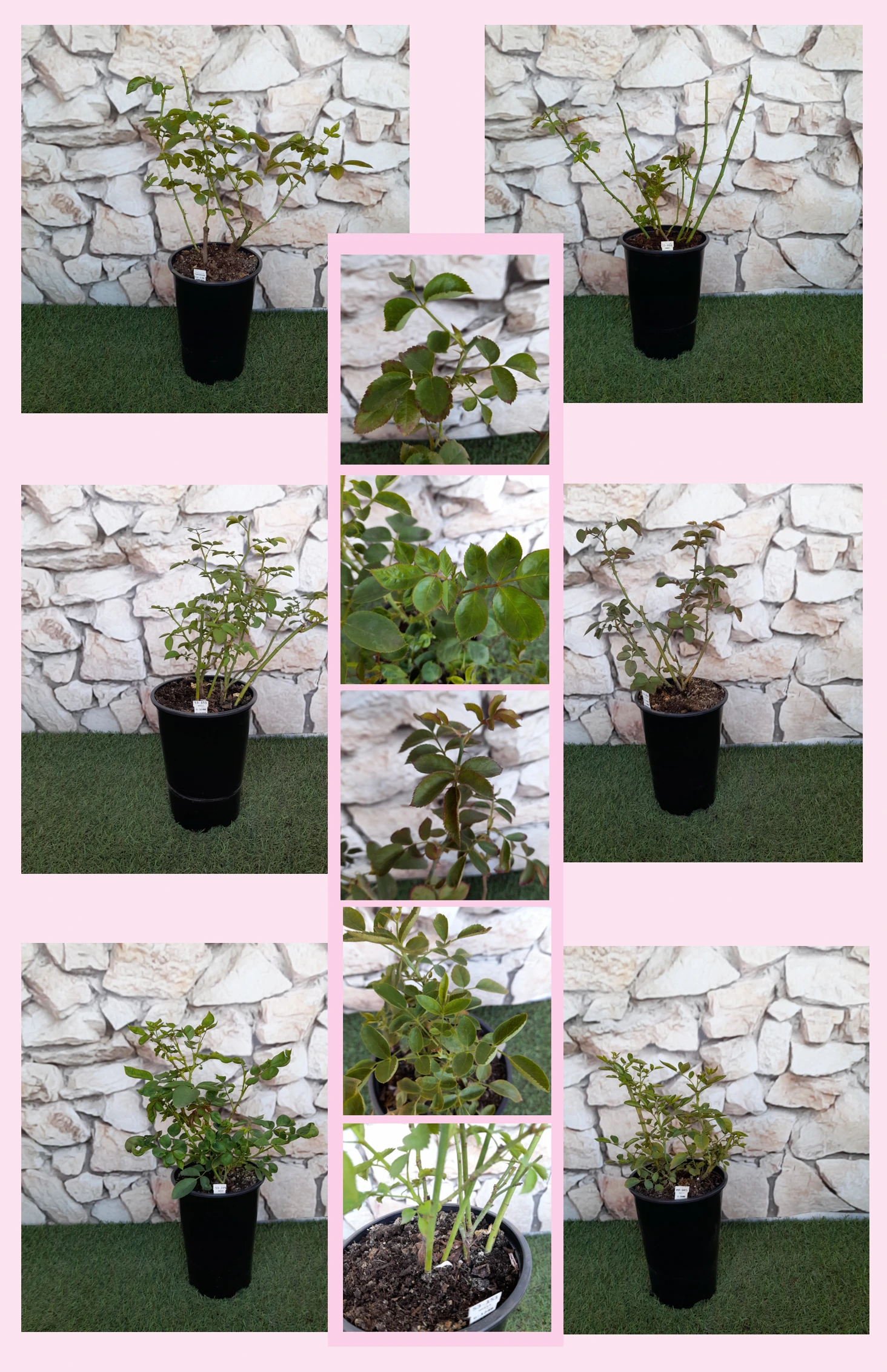
CANDY STRIPE – pink-white hybrid tea rose – McCummings
Step outside to a soft shower of Irish drizzle and find Candy Stripe quietly glowing: large, high‑centred blooms brushed in playful pink and cream that bring instant cheerfulness to a small Dublin front garden or cottage border. This remontant hybrid tea offers weeks of flowering for cutting and for bees, shrugging off typical Irish fungal pressure when given decent air flow and soil that copes with our rainfall and heavier clay. As an own‑root plant, it settles in steadily, building roots in year one, strong new shoots in year two and full, reliable beauty by year three, so you can enjoy its long‑lived, low‑fuss elegance without specialist skills.
Usage options
| Target area | Reasoning |
|---|
| Feature rose near the front door |
Planted as a solitary shrub by a path or doorway, its large, high‑centred blooms and clear pink‑and‑cream striping provide instant visual impact in a compact space; pruning is straightforward and occasional dead‑heading keeps it neat for busy homeowners. |
| Cutting patch in a family garden |
The long, straight stems and exhibition‑type buds make it ideal for home arrangements, while remontant flowering gives a steady supply of blooms through the season with just basic feeding and watering, suiting enthusiastic but time‑pressed beginners. |
| Pollinator‑friendly mixed border |
Although fully double, the open‑centred flowers let bees reach the stamens easily, and the repeated flushes provide reliable forage; pair with lady’s mantle or Mexican daisy to extend nectar options for nature‑oriented gardeners. |
| Small Irish cottage‑style rose bed |
Its upright habit and 80–110 cm height fit neatly into modest front gardens, while moderate disease resistance copes well with Ireland’s humid, fungus‑prone climate when combined with reasonable spacing, appealing to cottage‑garden owners. |
| Own‑root long‑term planting |
Being grown on its own roots rather than grafted, the shrub ages evenly, recovers better if damaged, and keeps its characteristic bloom colour and form for many years, reassuring those who like durable planting plans. |
| Container on patio or balcony |
In a 40–50 litre pot with good drainage and mulch, its compact spread and vertical growth give height and colour without overwhelming the space, while watering and feeding are simple weekly tasks for urban residents. |
| Season‑long repeat flowering display |
With strong initial flowering followed by an abundant second flush and more scattered blooms, it keeps the garden bright despite short Irish summers and changeable light, rewarding those who want continuous colour outside. |
| Low‑fuss family garden hedge or row |
Planted at 40–50 cm intervals, it forms a colourful, fragrant ribbon that benefits from clear air movement and soil that drains well after frequent Irish showers, offering a manageable project for practical front‑garden owners. |
Styling ideas
- COTTAGE STRIPE – Underplant with Alchemilla mollis and Mexican daisy for a soft, naturalistic stripy border – ideal for lovers of relaxed Irish cottage gardens.
- FRONT-DOOR FOCUS – Use one Candy Stripe each side of a path with gravel mulch for easy upkeep – suited to busy urban homeowners wanting instant welcome.
- CUTTING CORNER – Arrange a small row in the veg or utility area for a private cut‑flower supply – perfect for hobby florists and bouquet enthusiasts.
- ROSY RIBBON – Create a low, gently fragrant hedge along a driveway, mixing in low daylilies for contrast – appealing to families wanting structure without fuss.
- PATIO SHOWPIECE – Grow a single plant in a 50 litre terracotta pot with trailing companions – great for balcony and terrace gardeners short on planting space.
Technical cultivar profile
| Parameter | Data |
|---|
| Name and registration |
Hybrid tea rose, trade name Candy Stripe, exhibition name Candy Stripe; commercial group Rós taehibride, premium gold merit rating, supplied as pharmaROSA ORIGINAL own‑root 2‑litre container plant. |
| Origin and breeding |
Sport of ‘Pink Peace’, discovered by Edward McCummings in the United States; introduced and registered in 1963 after breeding work completed around 1962, initially distributed by Conard‑Pyle. |
| Growth and structural characteristics |
Upright habit to 80–110 cm high and 60–85 cm wide, moderately thorny stems, matt dark green foliage of medium density; spent blooms persist and usually need manual dead‑heading to stay tidy. |
| Flower morphology |
Large, 7–10 cm, double, high‑centred hybrid‑tea type blooms with 26–39 petals, usually borne singly on stems; strongly remontant with an abundant second flowering and further repeating flushes. |
| Colour data and phenology |
Mid‑pink petals irregularly striped cream‑white; buds darker with pale streaks, colouring lightens as blooms open, with stripes widening; pattern is sharper in cool weather and softer in strong sunshine. |
| Fragrance and aroma |
Strong, long‑lasting scent typical of scented hybrid teas; good choice where fragrance is a priority near seating areas, entrances, or cutting gardens, despite the absence of a detailed note breakdown. |
| Hip characteristics |
Produces numerous small, spherical rose hips, around 8–12 mm across, maturing to attractive orange‑red tones, adding subtle late‑season ornamental interest if spent blooms are not all removed. |
| Resistance and winter hardiness |
Hardy to about −21 to −18 °C (USDA 6b, RHS H7), with good resistance to powdery mildew and black spot, moderate rust susceptibility; tolerates heat if watered regularly during extended dry spells. |
| Horticultural recommendations |
Best in full sun with fertile, drained but moisture‑retentive soil; space 50–75 cm depending on use; apply mulch, feed annually, dead‑head for repeat, monitor pests and rust, and prune in late winter. |
CANDY STRIPE rewards you with strongly scented, repeat flowers and pollinator appeal on a long‑lived own‑root shrub, making it a graceful, dependable choice for Irish family gardens and frontages.