BULLATA – pink historic centifolia rose – Duhamel
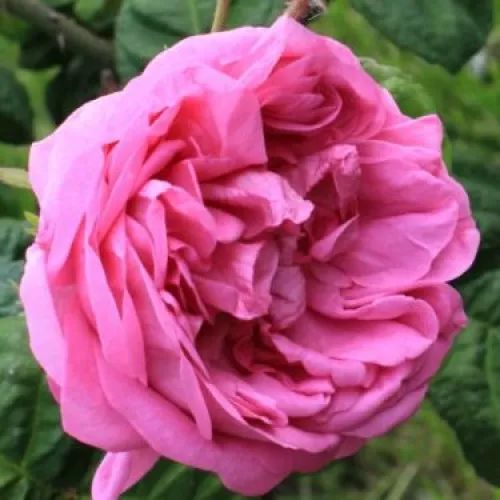
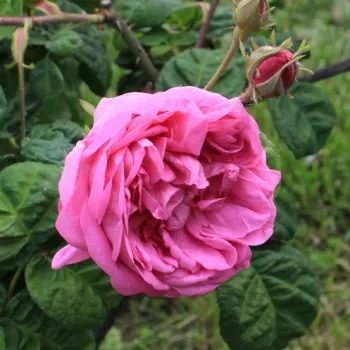
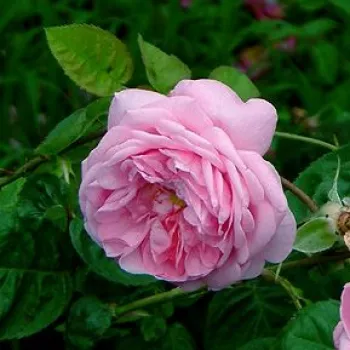
Step out to Bullata and You meet a soft, romantic cloud of mid‑pink, cabbage‑style blooms and a powerful old‑rose perfume that hangs on the air after rainfall, even in cooler Irish summers with frequent showers and moist breezes. This historic centifolia shrub brings character and charm to cottage borders and Dublin front gardens, forming a dense, bushy presence with its distinctive, crinkled, lettuce‑like leaves. Planted as an own‑root shrub in well‑drained but clay‑tolerant soil, it settles in steadily – roots in the first year, strong shoots in the second, and full ornamental presence by the third – offering longevity, reliable early‑summer flowering and a quietly reassuring sense of continuity. With medium maintenance needs and a naturally rounded habit, it suits relaxed, nostalgic, nature‑inspired spaces where You want beauty without fuss.
Usage options
| Target area | Reasoning |
|---|
| Cottage-style mixed border |
Bullata’s medium‑tall, bushy habit and once‑a‑year flush of luxurious, ball‑shaped blooms give a classic cottage‑garden focal point that anchors looser perennials; own‑root planting builds a long‑lived, reliable structure for patient, atmosphere‑loving beginners. |
| Dublin terraced front garden |
The dense foliage and rounded form create a welcoming green screen, while the very strong, classic rose fragrance drifts towards the pavement, offering a sensory treat after work for space‑conscious urban homeowners. |
| Feature specimen near seating |
Planted as a single specimen by a bench or patio, Bullata’s rich mid‑pink, very double flowers and powerful perfume turn short outdoor pauses into small rituals of cheerful contentment, especially valued by fragrance‑focused garden visitors. |
| Historic or period-style plantings |
As an early‑1800s centifolia, Bullata fits naturally into heritage schemes, lending authenticity and continuity; own‑root culture supports regeneration over decades, suiting historically minded, story‑seeking garden enthusiasts. |
| Loose flowering hedge |
At 120–180 cm tall with good spread, Bullata knits into a soft, informal hedge that offers privacy in flower and leaf; recommended spacings help form a coherent line for practically minded garden planners. |
| Part‑shade side garden |
This shrub tolerates partial shade, so it copes well with light‑dappled side paths or north‑easterly aspects where other roses sulk, providing colour and scent for constraint‑aware garden owners. |
| Large containers and courtyard pots |
In a generous 40–50 litre container with good drainage, Bullata can perfume small courtyards and paved spaces; careful watering during dry spells keeps growth balanced, ideal for low‑effort, space‑limited city gardeners. |
| Clay-based family gardens |
With improved drainage and mulch, Bullata settles into heavier Irish soils, coping gracefully with our cool, damp spells and soft light, making it a reassuring choice for weather‑aware family‑garden starters. |
Styling ideas
- Cottage-Corner – Underplant Bullata with hardy geraniums and foxgloves to echo an Irish cottage border, perfect for romantic gardeners who enjoy relaxed abundance.
- Front-Door-Welcome – Flank a Dublin terrace step with one Bullata and soft grasses for a scented, neighbour‑pleasing entrance for urban homeowners.
- Heritage-Focus – Combine Bullata with box edging and traditional perennials like delphiniums to create a period‑style vignette for history‑minded enthusiasts.
- Pastel-Hedge – Run a loose hedge of Bullata along a boundary, interspersed with white campanulas, ideal for families wanting privacy with gentle colour.
- CourtYard-Retreat – Grow Bullata in a 50‑litre pot with trailing thyme at the base to perfume a small paved seating nook for busy city dwellers.
Technical cultivar profile
| Property | Data |
|---|
| Name and registration |
Bullata is a historic centifolia shrub rose, also known as Bullata – pink historic centifolia rose – Duhamel, classified in the Rós stairiúil commercial group, with Latin name meaning “blistered” foliage. |
| Origin and breeding |
Originating in France around 1801, bred by Duhamel as a spontaneous sport of ‘Gros Pompon’, this unregistered historic variety has been preserved and shared through traditional garden culture. |
| Growth and structural characteristics |
A bushy shrub 120–180 cm tall with 90–150 cm spread, forming dense, matt, mid‑green foliage and moderate prickliness; weak self‑cleaning means occasional deadheading maintains appearance. |
| Flower morphology |
Produces large, 7–10 cm, very double, ball‑shaped blooms with more than 40 petals on mainly solitary stems; once‑flowering, delivering a concentrated early‑summer display rather than repeat flushes. |
| Colour data and phenology |
Flowers open deep pink, maturing to a uniform mid‑pink with paler outer petals; colour lightens in strong sun but remains richer in cool conditions, giving a subtly shifting palette through full bloom. |
| Fragrance and aroma |
Exudes a very strong, classic old‑rose fragrance, noticeable from a distance in still air; ideal where scent is a priority, although petals are not specifically selected for culinary or cosmetic use. |
| Hip characteristics |
Hip set is usually sparse because of the very double flowers, but the shrub may sometimes carry small, spherical, red hips around 12–18 mm, adding discreet seasonal interest in late season. |
| Resistance and winter hardiness |
Hardy to about −32 to −29 °C (USDA 4b, RHS H7), with moderate resistance to black spot, mildew and rust; copes with warm, moderately dry spells if watered during prolonged drought. |
| Horticultural recommendations |
Well suited to beds, parks, hedges and cutting; prefers drained but moisture‑retentive soil, benefits from mulch and occasional protection, and performs reliably in partial shade positions. |
Bullata offers richly scented, once‑a‑year mid‑pink abundance, adaptable clay‑tolerant shrub structure and long‑lived own‑root reliability, making it a thoughtful choice if You value atmosphere and gentle, enduring beauty.