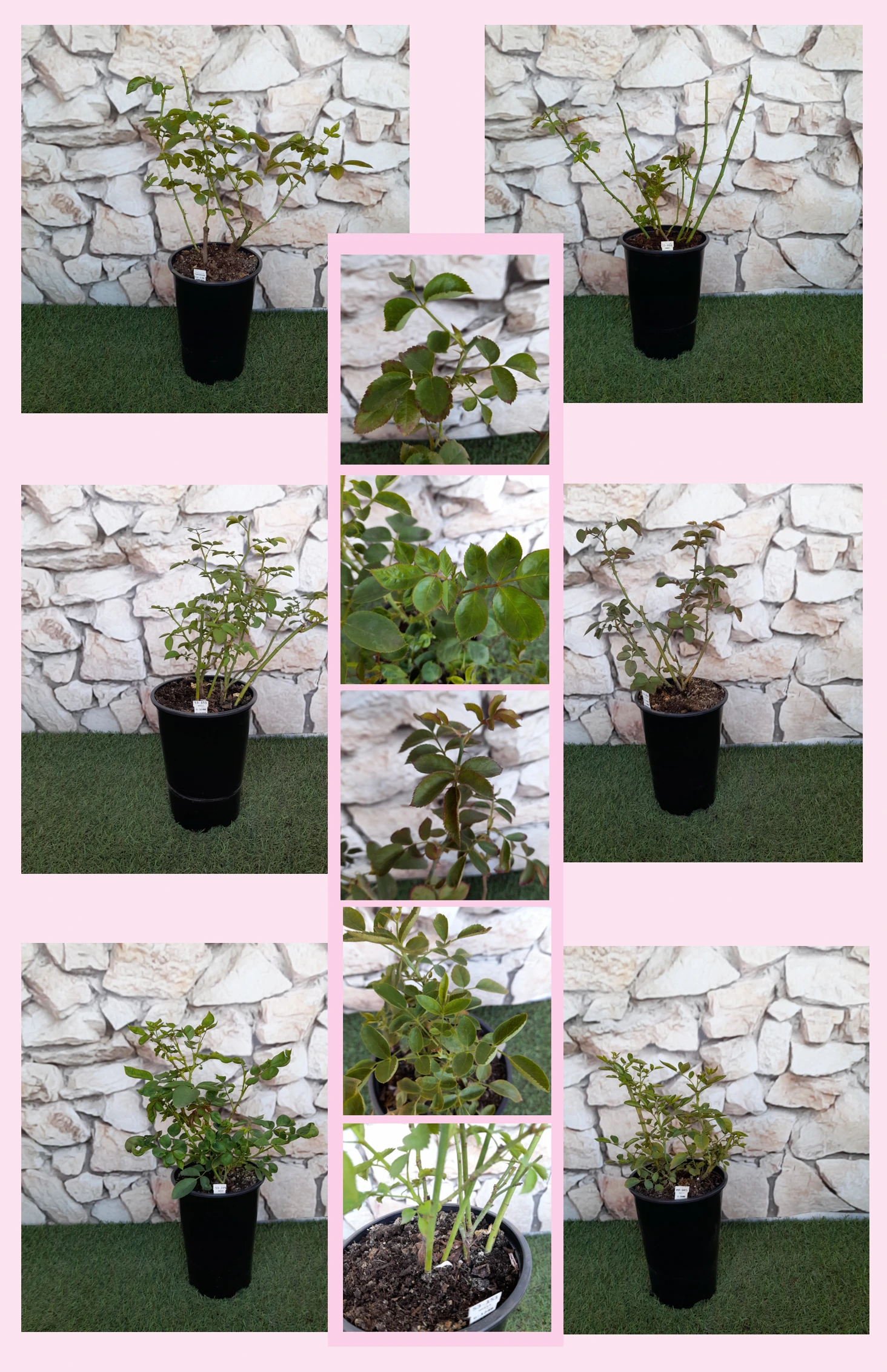
BLUE TANGO – mauve-lilac bedding floribunda rose - Schade
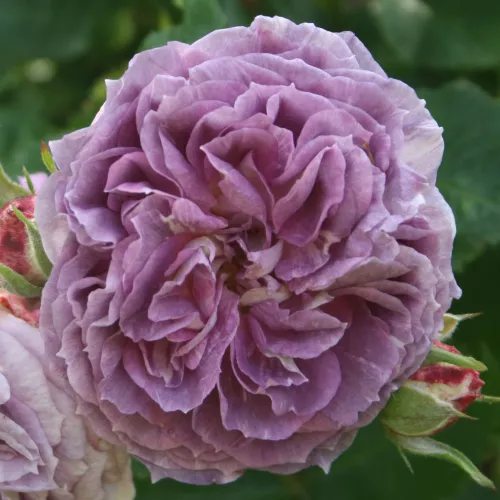
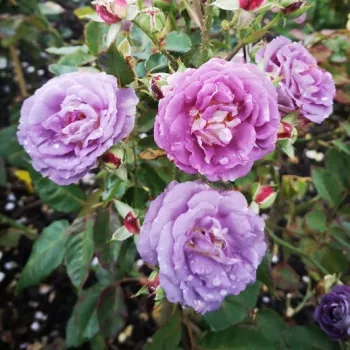
Step outside after a shower of soft rain and let BLUE TANGO wrap your small Irish garden in calm, lilac light: easy-going to plant, generous in bloom and well suited to gardens where rainfall is frequent and summers feel short. This upright floribunda builds dense, mid-green foliage and romantic clusters of mauve-lilac blooms, while its strong, fresh citrus-and-damask fragrance drifts towards the front door or patio. Own-root planting means a quietly reliable structure that settles, matures and regenerates over time, giving you a shrub that in year one focuses on roots, year two on stronger shoots, and by year three reaches full ornamental value. With good disease resistance, low-maintenance needs and a forgiving nature in partial shade, it suits beginners, busy households and anyone wanting cottage-garden charm without complicated care.
Usage options
| Target area |
Reasoning |
| Cottage-style front garden border |
Its mauve-lilac clusters, dense foliage and strong fragrance give instant cottage character along a path or low fence, while own-root vigour supports a long-lived, reliable border backbone for fragrance-loving beginners. |
| Low-maintenance flowering hedge |
Upright growth to around 150–210 cm and good disease resistance make it ideal for a loose, low-maintenance hedge at about 55 cm spacing, needing only light pruning and deadheading to suit time-poor urban homeowners. |
| Feature shrub in a small family garden |
As a single specimen at roughly 1 m spacing it creates a soft, vertical focal point with repeat waves of bloom, bringing colour and scent without demanding expert pruning from busy family gardeners. |
| Mixed border with perennials and grasses |
Clustered lilac blooms sit beautifully among perennials like Phlox paniculata and feather reed grass, and the own-root habit ensures the shrub regrows steadily after any weather setbacks for style-conscious nature lovers. |
| Partial-shade side return or narrow bed |
Colour holds especially well in partial shade, where the lilac tones deepen rather than scorch, so it performs reliably in side passages or between houses, giving dependable flowers to novice terraced-house gardeners. |
| Small pollinator-friendly plant mix |
Although fully double and only moderately attractive to insects, when paired with open-centred perennials it helps build a long-flowering, scented mix that still supports bees, ideal for environmentally aware city families. |
| Rain-tolerant family garden planting |
Good disease resistance and low maintenance requirements help it cope in damp Irish conditions with regular showers and cool spells, complementing plantings designed for frequent soft rain for relaxed Atlantic-climate gardeners. |
| Long-term own-root planting scheme |
The own-root shrub establishes steadily, building a durable framework that can be rejuvenated by pruning without losing its character, giving stable ornamental value over many seasons for future-focused garden planners. |
Styling ideas
- Cottage-Path Duo – line a path with Blue Tango and white foxgloves for a soft, storybook entrance – perfect for romantic cottage-garden enthusiasts
- Terrace-Front Accent – plant a single shrub with low lavender edging beside a Dublin doorstep – ideal for urban homeowners wanting easy impact
- Lilac-Echo Border – mix with Phlox paniculata in matching mauve tones and airy ornamental grasses – suited to colour-conscious planners of coordinated borders
- Soft-Screen Hedge – create a loosely clipped flowering screen along a boundary, underplanted with hardy geraniums – great for families seeking privacy and flowers together
- Rain-Garden Blend – combine with moisture-tolerant perennials on improved clay soil and a good mulch – useful for gardeners managing heavy Irish ground
Technical cultivar profile
| Characteristic |
Data |
| Name and registration |
Floribunda bedding rose, trade name Blue Tango; shrub rose exhibition category; collection: Bedding rose; commercial group: Rósra bhláthchlóis; ARS exhibition name: Blue Tango; former names not recorded. |
| Origin and breeding |
Bred in Germany in 2011 by Karin Schade, with parentage ‘Blue For You’ × unknown; breeding company and initial distributor not documented; introduced to the market in 2011 for general garden use. |
| Growth and structural characteristics |
Strong upright shrub reaching about 150–210 cm in height and 75–105 cm spread, with dense mid-green, slightly glossy foliage and moderate prickliness; spent blooms benefit from deadheading to maintain appearance. |
| Flower morphology |
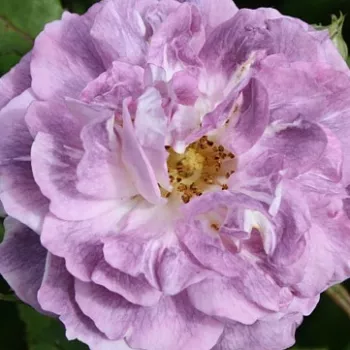
Floribunda clusters of very double, cup-shaped blooms, typically 40+ petals and 4–7 cm across; remontant, with a particularly generous second flush that maintains garden colour through much of the season. |
| Colour data and phenology |
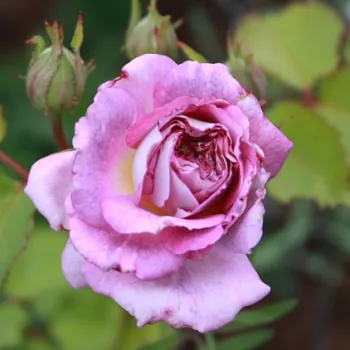
Soft, cool mauve-lilac with a silvery veil; RHS 75B outer, 76C inner; colour stays fresh in sun, deepening in partial shade and autumn; early blooms paler, later flowers showing darker veining and subtle beige-lilac edging. |
| Fragrance and aroma |
Strong, distinctive scent combining fresh citrus top notes with classic damask rose depth; fragrance carries well in still, humid air, making it especially noticeable near seating areas, entrances and narrow garden spaces. |
| Hip characteristics |
Produces moderately abundant, small spherical red hips, usually 5–8 mm in diameter; hips can offer additional late-season colour if deadheading is reduced towards autumn and some spent blooms are left to develop. |
| Resistance and winter hardiness |
Rated resistant to powdery mildew, black spot and rust; tolerates heat and moderate drought once established; winter hardy approximately to −23 to −21 °C, aligning with USDA zone 6a, RHS H7 and Swedish zone 3. |
| Horticultural recommendations |
Suitable for borders, hedges, specimen planting and parks; spacing about 65 cm for masses, 55 cm for hedges and 100 cm for specimens; thrives in well-drained but moisture-retentive soil, in sun to partial shade. |
BLUE TANGO offers scented mauve-lilac clusters, reliable disease resistance and durable own-root growth for an easy, long-lived feature in your Irish garden, well worth considering for your next planting.