ROSA FOETIDA BICOLOR – orange landscape shrub rose
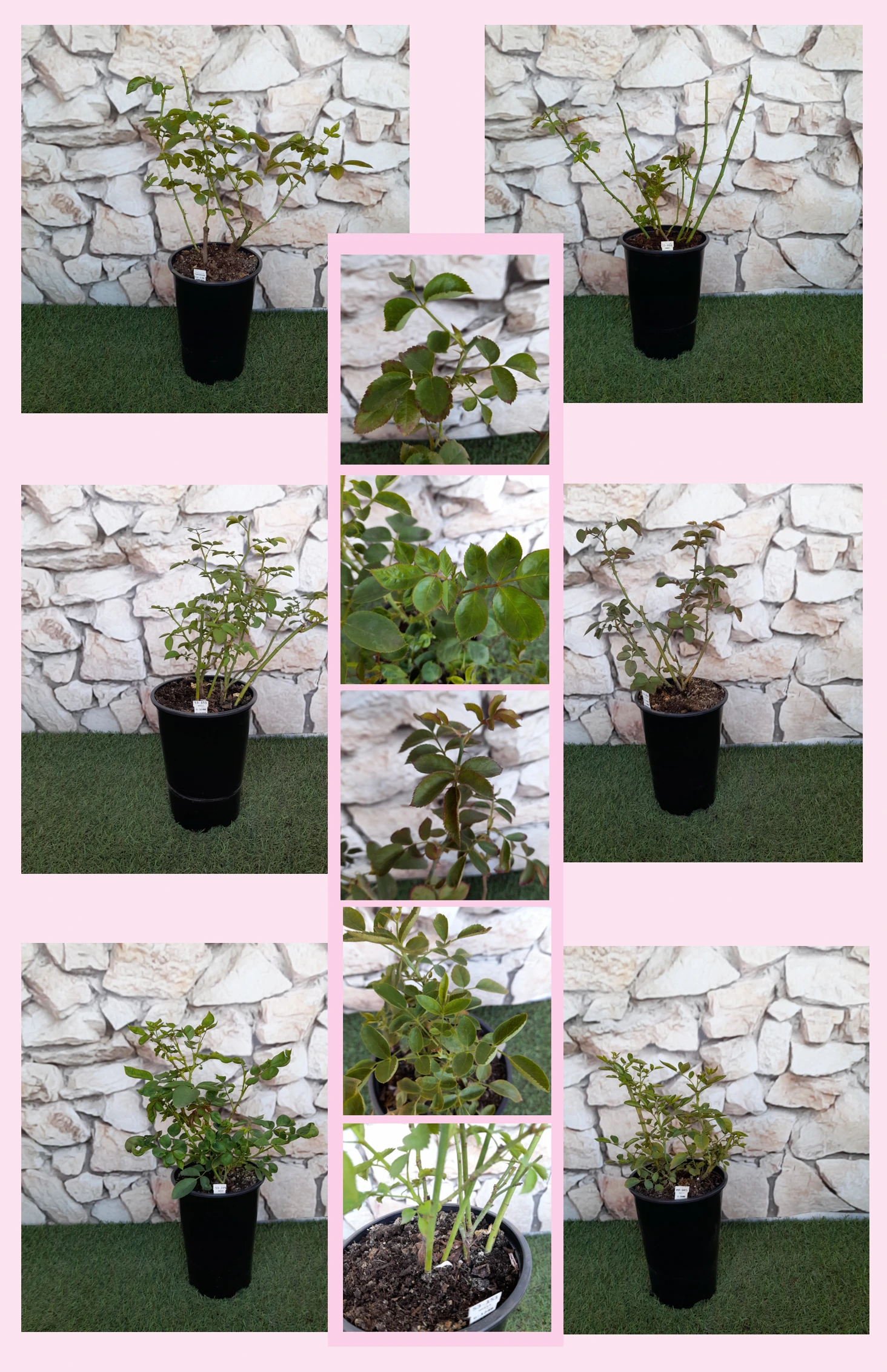
Step out to meet colour and old-world character with Rosa foetida bicolor, a heritage shrub that turns a small Irish cottage or terraced front garden into a glowing spring picture, even where wind and frequent showers roll in from the Atlantic. Its once-a-year flush is a breathtaking moment of fiery orange-red and gold, with open, bee-magnet blooms and a rich, sweet-spicy fragrance that perfumes your short walk to the gate. Grown on its own roots, this long-lived rose settles steadily, with roots in the first year, stronger shoots in the second, and full ornamental value by the third, giving you quietly increasing impact, long-term stability and low-fuss maintenance in everyday family gardens.
Usage options
| Target area |
Reasoning |
| Cottage-style specimen near a front door or gate |
This rose shines as a stand-alone shrub, its glowing orange-red and yellow flowers creating a single, unforgettable late-spring moment each year. The strong, sweet-spicy scent makes every arrival and departure feel special. Ideal for the romantic gardener homeowners |
| Bee and wildflower corner in a family garden |
The simple, open, single flowers with golden stamens are easy landing pads for bees and other pollinators, supporting a more natural garden feel. Flowering once, it concentrates nectar into a strong seasonal draw. Perfect for nature-oriented beginners |
| Low-maintenance hedge or informal screen |
Its bushy, upright habit and dense prickles make an effective, almost impenetrable living fence, helpful for defining boundaries around play spaces or driveways. Good drought tolerance means less watering once established. Suited to privacy-seeking families |
| Background planting against walls or fences |
Placed at the back of a border or along a wall, its height and spread form a soft, informal backdrop that frames smaller perennials in front. The once-flowering display reads as a nostalgic curtain of colour. Attractive to design-conscious urbanites |
| Mixed border in heavier Irish soils |
Rosa foetida bicolor copes well with poorer ground once drainage is improved, fitting gardens where clay soil dominates and serious landscaping is unlikely. In typical Irish summers with frequent rain and soft light, its colour remains striking. Helpful for practical gardeners |
| Wildlife-friendly autumn and winter interest strip |
After flowering, small spherical orange-red hips form, feeding birds and small mammals and adding seasonal colour. Left uncut, the hips give structure into early winter and reduce the need for constant deadheading. Appealing to wildlife-loving households |
| Own-root long-term landscape planting |
As an own-root shrub, it thickens from the base without the risk of rootstock shoots, recovering more reliably after hard pruning or weather damage and ageing into a stable feature over many years. A sound choice for future-focused planners |
| Traditional cutting and heritage rose border |
The long, straight stems with vivid bicolour flowers and strong scent lend themselves to nostalgic indoor arrangements, especially when mixed with cottage perennials; deeper watering during prolonged drought maintains stem length. Best for fragrance-loving collectors |
Styling ideas
- Cottage Glow – Underplant with Calamintha nepeta ‘Blue Cloud Strain’ and soft grasses to echo the orange-and-gold flowers and buzzing bees – perfect for romantic front-garden owners
- Wildlife Weave – Run an informal hedge along a side boundary, weaving in native hawthorn and wild perennials so hips and blossoms blend into a wildlife corridor – ideal for nature-focused families
- Heritage Focus – Use a single shrub as a focal point in a small lawn, edged with Phlox paniculata in pastel tones to contrast with the fiery once-a-year bloom – suited to lovers of historic roses
- Terrace Screen – Plant in a staggered row in 40–50 litre containers on a Dublin terrace, adding calamint and herbs at the base for scent and pollinators – good for busy urban balcony gardeners
- Warm Backdrop – Place two or three shrubs at the back of a mixed border, with purple and blue perennials in front, letting the orange-red flowers flare up against green foliage – great for colour-oriented design enthusiasts
Technical cultivar profile
| Parameter |
Data |
| Name and registration |
Rosa foetida bicolor, a historic botanical shrub rose traded as an orange landscape shrub; ARS exhibition name R. foetida bicolor; unregistered but long-recognised heritage cultivar. |
| Origin and breeding |
Natural sport (bud mutation) of Rosa foetida, known since before 1590; breeder and original distributor unknown; preserved through traditional garden and collection use over centuries. |
| Awards and recognition |
Recognised in American rose shows, including Genesis and Dowager Rose Queen classes between 1999 and 2000, reflecting its historical and botanical significance for collectors and exhibitors. |
| Growth and structural characteristics |
Bushy, upright shrub 150–250 cm high and 150–210 cm wide, with moderately dense, light to medium green foliage and densely prickled stems, forming a substantial, protective, landscape-scale presence. |
| Flower morphology |
Single to semi-single cupped blooms, 5–12 petals, 4–7 cm across, produced in clusters; petals shed cleanly after the once-per-season flowering, leaving visible stamens and developing hips. |
| Colour data and phenology |
Striking bicolour effect: copper- to orange-red upper petal surfaces, clear yellow undersides and golden-yellow stamens; ARS code OR, RHS 30A outer and 32B inner; colour softens slightly as blooms age. |
| Fragrance and aroma |
Strong, clearly noticeable scent with a rich, sweet-spicy character, carrying hints of liquorice and anise; fragrance is evident outdoors and in cut stems, adding sensory depth to its short flowering season. |
| Hip characteristics |
Produces numerous small, spherical orange-red hips, 8–10 mm across, in late season; hips offer visual interest, wildlife food for birds and small mammals, and additional texture in informal plantings. |
| Resistance and winter hardiness |
Very hardy shrub tolerating approximately -40 to -35 °C (USDA zone 3a); good heat and drought tolerance, but only moderate disease resistance, needing airy sites and monitoring for black spot and mildew. |
| Horticultural recommendations |
Best in full sun with improved drainage on heavy soils; spacing 110–270 cm depending on hedge or specimen use; suitable for 40–50 litre containers; prefers regular checks and timely plant protection if required. |
Rosa foetida bicolor offers vivid spring colour, strong fragrance and wildlife-friendly hips on a resilient own-root shrub; a thoughtful choice if you would like a long-lived, characterful feature in your garden.