BICENTENAIRE DE GUILLOT – crimson nostalgic rose - Massad
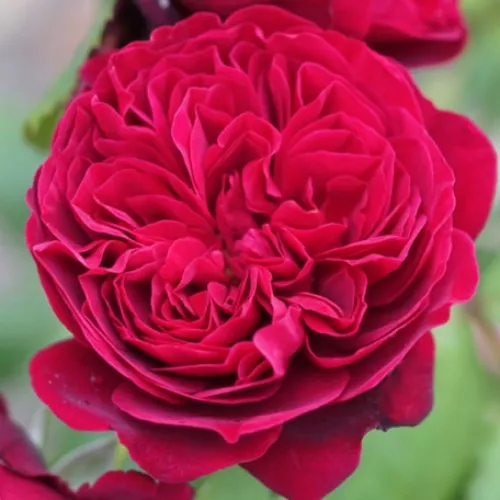
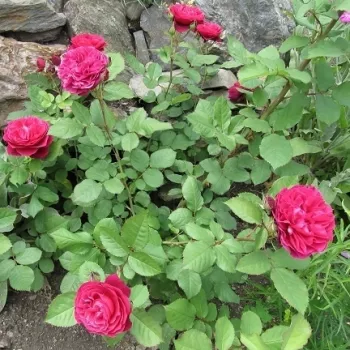
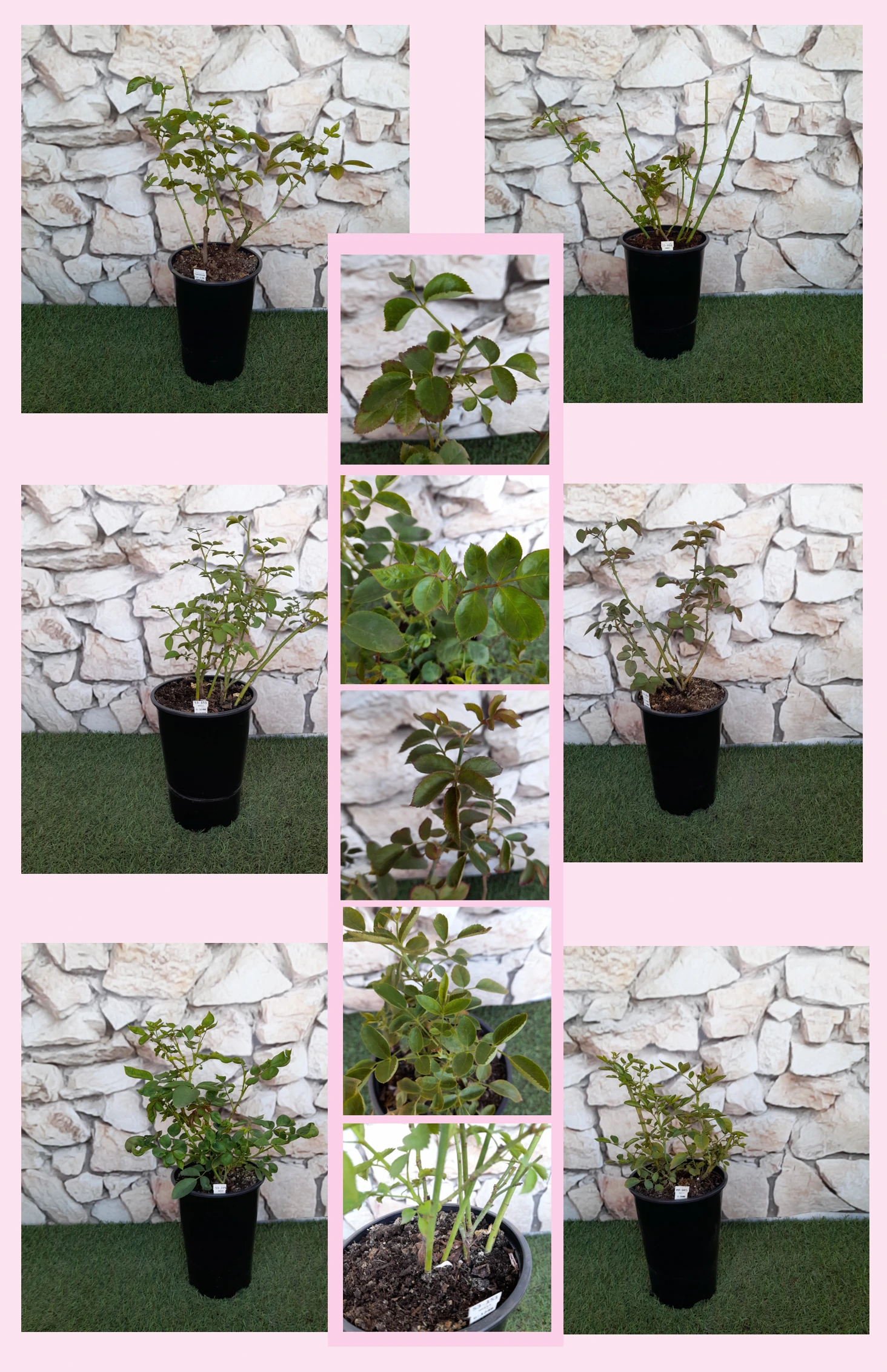
Step outside for a moment of cheerful calm with Bicentenaire de Guillot, a richly scented nostalgia shrub rose that thrives in Irish gardens where rain, soft light and breezes mean reliable flowers feel especially precious. Its bushy, upright habit stays neatly in proportion for small spaces, while the velvety crimson blooms open in generous clusters and repeat through the season, turning even a tiny terrace into a romantic escape. Own-root plants settle gradually but steadily, rewarding you with a naturally resilient structure, long-lived framework and easy renewal after harsh winters. Ideal for a “girly” cottage style or Dublin front garden, this rose suits busy gardeners who prefer simple care, good drainage and light mulching over fuss and chemicals. Medium disease resistance and moderate self-cleaning mean a little deadheading is repaid with a long flush of flowers, while the strong, tea-rose perfume lingers in damp evening air and makes every short walk under the raindrops feel indulgent. Plant once, give it a year to root, a second to build its shape, and by the third it reaches its full ornamental character.
Usage options
| Target area | Reasoning |
|---|
| Small Irish cottage flower bed |
The compact, bushy habit fits narrow borders, giving rich colour without overwhelming low walls or paths, and the repeat flowering keeps the bed lively over a long season for the relaxed cottage look many beginners enjoy. |
| Dublin terraced-house front garden |
With a neat footprint and upright structure, it provides a welcoming splash of nostalgic crimson at the front door, looking well-kept with only occasional pruning, suiting time-pressed homeowners. |
| Feature rose in a mixed shrub border |
Clusters of large, ball-shaped blooms draw the eye, while dark, slightly glossy foliage frames perennials and evergreen shrubs; its reliable repeat flowering gives ongoing focus for nature-oriented gardeners. |
| Patio container, large pot on terrace |
Planted in a free-draining, 40–50 litre container, it offers strong fragrance and colour close to seating areas, with own-root resilience supporting long-term use in pots, ideal for busy urban residents. |
| Cut-flower source near the house |
Long-stemmed, double, velvety blooms with strong tea-rose perfume make excellent home-cut flowers, so a single shrub can supply vases from summer into autumn for scent-loving buyers. |
| Low, romantic hedge or boundary line |
Planted at 45 cm spacing, the bushy, upright growth knits into a soft, low hedge rich with nostalgic crimson blooms, giving structure and privacy with modest maintenance for family-garden owners. |
| Part-shaded side path or north-facing border |
Its tolerance of partial shade means it still flowers well where houses cast shade and summers are short and cool, which suits many Irish plots and practical householders. |
| Rose bed in wetter, wind-exposed gardens |
Once established with good drainage and mulch, it handles damp Atlantic weather and regular rain, staying ornamental with only moderate care, reassuring less-experienced hobbyists. |
Styling ideas
- Cottage-Romantic Border – Combine with baby's breath and soft pink perennials to echo its nostalgic blooms and long flowering, perfect for cottage-garden admirers.
- Chic Front-Garden Accent – Plant a single shrub by a gate with low evergreen groundcovers to highlight its compact, upright form and rich colour for urban terrace owners.
- Scented Patio Corner – Use a large container beside a seating area, underplanting with heuchera so its strong, lasting perfume can be enjoyed by evening relaxers.
- Soft Crimson Hedge – Line a path with a low row, letting repeat blooms and dense foliage create a gentle boundary for families wanting privacy without harsh fencing.
- Nostalgic Rose Mix – Group with other romantic shrub roses and airy perennials to showcase its clustered flower form and continuous colour for enthusiasts of old-world style.
Technical cultivar profile
| Parameter | Data |
|---|
| Name and registration |
Shrub nostalgia rose from the Générosa collection; registered as MASbigui, traded as Bicentenaire de Guillot Générosa MASbigui, ARS exhibition name Bicentenaire de Guillot. |
| Origin and breeding |
Bred by Dominique Massad for Roses Guillot in France; introduced and registered in 2003, with parentage not publicly recorded, reflecting traditional French romantic-shrub selection. |
| Growth and structural characteristics |
Bushy, upright shrub 75–105 cm high and 50–70 cm wide, with dense, dark green, slightly glossy foliage and moderate prickles, forming a tidy, rounded outline suitable for borders and hedges. |
| Flower morphology |
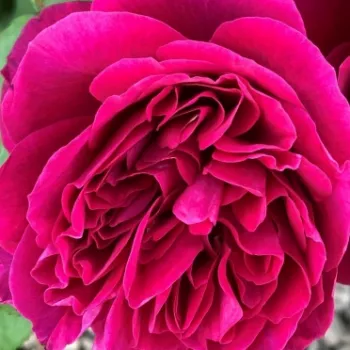
Large, 7–10 cm double blooms with 26–30 petals, ball to pompon-shaped, carried in clusters; remontant with an abundant second flush, some spent blooms needing manual deadheading for best effect. |
| Colour data and phenology |
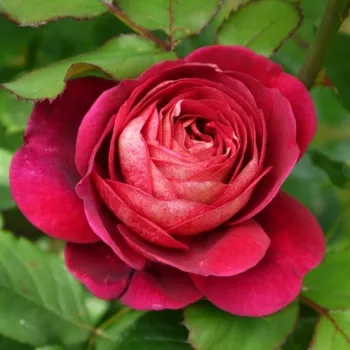
Deep, silky crimson-red with velvety sheen; buds near black-purple, opening intense, then lightening to crimson with mauve tones, finally fading to a patinated medium purple with slight lilac tint in heat. |
| Fragrance and aroma |
Strong, long-lasting tea-rose fragrance that holds well in damp, cool air; ideal for planting near paths, doors or seating where repeated brushing past releases the rich classic scent. |
| Hip characteristics |
Hip set generally poor due to double blooms; occasional small spherical orange-red hips 8–12 mm may develop, adding modest late-season interest without significant self-seeding. |
| Resistance and winter hardiness |
Hardy to about -26 to -23 °C (H7, USDA 5b), with medium resistance to black spot, mildew and rust; tolerates heat if watered regularly, favouring well-aerated, mulched soil to reduce fungal pressure. |
| Horticultural recommendations |
Suited to beds, hedges, containers and cutting; space 55 cm in beds, 45 cm for hedging, 100 cm as specimen; plant in fertile, well-drained soil, deadhead lightly and water steadily in dry spells. |
Bicentenaire de Guillot combines compact, romantic flowering, strong fragrance and reliable repeat blooms with the long-term stability of an own-root shrub, making it a thoughtful choice for relaxed, low-effort Irish gardens.