BELVEDERE – pink historic sempervirens rose – Jacques
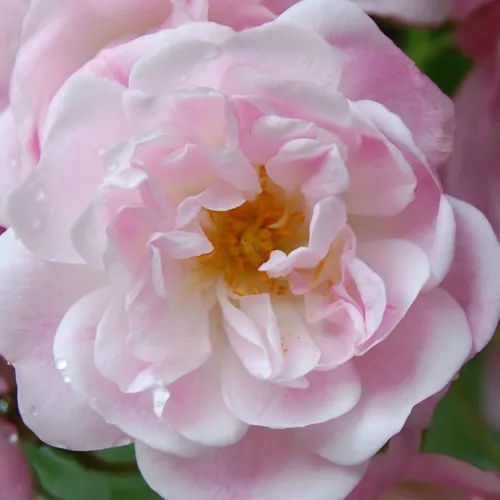
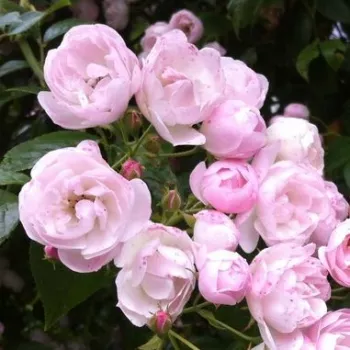
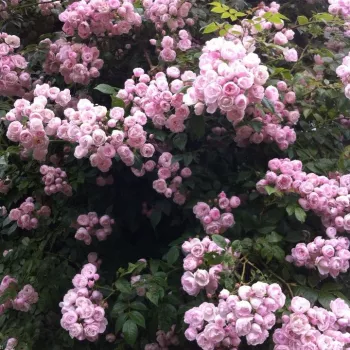
Step outside for a brief wander and let BELVEDERE wrap your front garden or cottage wall in a veil of romantic blossom and softly shifting pastel tones. This heritage climber flowers once in a generous flush, then rests, its glossy, dark foliage and gracefully arching canes providing an elegant green backdrop for the rest of the season. Own-root planting means a quietly dependable lifespan, with the plant thickening up year after year rather than tiring. In Irish conditions of blustery showers and frequent rainfall, it keeps its refined appearance with only moderate care, rewarding you with a subtly musky fragrance that drifts along paths and terraces. Space it generously and give simple support, and from year to year you can enjoy an effortless development from establishing roots through building shoots to a mature, romantic screen that frames a cherished outdoor view.
Usage options
| Target area |
Reasoning |
| Front-of-house climbing accent |
Ideal for training over a doorway, railings or a Dublin terraced-house façade, where its once-a-year cloud of soft pink blossom makes a memorable summer feature while the dark evergreen-like foliage keeps the front looking dressed in winter; suits those wanting strong impact with modest maintenance, especially beginners. |
| Cottage-garden pergola or arch |
The long, climbing growth and cluster-flowered, musky-scented blooms are perfect for draping over arches or light pergolas, creating a romantic tunnel of colour and fragrance that feels at home in an Irish cottage garden; best for those who love nostalgic atmosphere, particularly homeowners. |
| Screening and soft boundary planting |
With a height up to 6–8.5 m and good spread, BELVEDERE quickly forms a leafy screen that softens boundaries, sheds, or unsightly views, while its once-a-season flowering avoids constant deadheading; ideal where you want privacy with character, suited to relaxed hobby-gardeners. |
| Low-maintenance heritage focal point |
This historical rose, introduced in 1829, offers enduring structure and charm with only medium care needs; own-root plants recover better from wind damage or pruning, steadily rebuilding growth over time, appealing to those who value longevity, especially thoughtful collectors. |
| Climbing rose for damp, breezy plots |
Medium disease resistance and a tolerance of typical Irish moisture mean it copes well where coastal air and frequent rain might challenge fussier roses, provided drainage is reasonable and growth is tied in; well suited to exposed-but-loved gardens owned by practical families. |
| Romantic summer seating-area backdrop |
Plant near a bench or terrace and guide its canes along a fence or wires, so the moderately strong, slightly sweet, musky scent can be enjoyed on still evenings; best for those who cherish quiet outdoor moments, particularly scent-oriented gardeners. |
| Large-container training on balcony or patio |
In a 40–50 litre or larger pot with good drainage, BELVEDERE can be fan-trained against a wall, giving a historic rose ambience even in smaller urban spaces, provided watering is regular; appealing for stylish but time-pressed city-dwellers. |
| Wildlife-friendly, cottage-style mix |
Although its double flowers offer limited nectar, occasional orange-red hips and dense foliage add structure and shelter, and it pairs beautifully with foxgloves and compact shrubs in a loose, naturalistic border under showery Atlantic skies; ideal for gently biodiverse nature-lovers. |
Styling ideas
- Cottage-arch – Train BELVEDERE over a rustic timber arch with foxgloves and loose perennials at the base to frame a path in powder-pink summer bloom – perfect for romantic cottage-garden appreciators.
- Heritage-wall – Tie its canes along horizontal wires on an old brick or stone wall, underplanting with low mounded herbs to highlight its historic character – ideal for owners of period-style homes.
- Soft-screen – Use several plants along a boundary fence, weaving stems through simple trellis for a green privacy curtain that bursts into blossom once a year – suited to privacy-seeking family gardeners.
- City-facade – In a large 50 litre container, fan-train against a sunny house wall, adding Phormium ‘Tom Thumb’ in nearby pots for contrast – great for design-conscious urban terrace keepers.
- Pastel-border – Combine BELVEDERE with dwarf barberry and muted perennials for a layered pink-and-bronze scheme that keeps interest beyond flowering – appealing to colour-focused planting enthusiasts.
Technical cultivar profile
| Characteristic |
Data |
| Name and registration |
Belvedere is a historical Hybrid Sempervirens rambler, commercial type “historic sempervirens rose”, introduced as Belvedere by Jacques; unregistered cultivar with no separate registered name. |
| Origin and breeding |
Bred in France by Henri Antoine A. Jacques at Château de Neuilly; parentage Rosa sempervirens × unknown; introduced 1829 via Jacques, later distributed in Australia by Law, Somner Pty. Ltd. |
| Awards and recognition |
Holds the Royal Horticultural Society Award of Garden Merit, indicating reliable garden performance, good ornamental value and sound general health under typical temperate-garden conditions. |
| Growth and structural characteristics |
Strong climbing habit, typically 600–850 cm tall with 350–550 cm spread; slightly thorny, dense, glossy dark green foliage; suitable for walls, pergolas, arches and screening when given support. |
| Flower morphology |
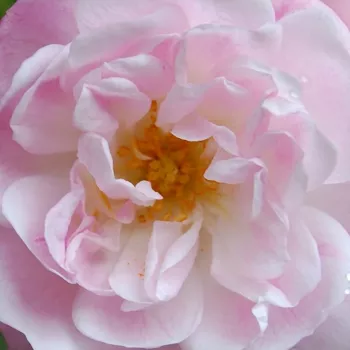
Medium-sized, double, cup-shaped flowers with 26–39 petals, borne in clusters; non-remontant with one main flowering period, providing a single but abundant seasonal display of blossom. |
| Colour data and phenology |
Buds open from deep carmine-red to delicate powder pink, fading to almost white; RHS 65C outer, 62C inner; colour retention modest, lending a soft pastel effect as blooms mature and lighten. |
| Fragrance and aroma |
Moderately strong scent with a slightly sweet, musky character; well-scented for a historical rambler, particularly effective when grown near paths, doors, seating areas or windows that open nearby. |
| Hip characteristics |
Occasional ellipsoidal hips, approximately 8–12 mm in diameter, ripening orange-red; offer an additional seasonal accent and some wildlife interest after flowering if spent blooms are not removed. |
| Resistance and winter hardiness |
Hardy to about −26 to −23 °C (USDA 5b, RHS H7, Swedish Zon 4); medium resistance to powdery mildew, black spot and rust, generally satisfactory with reasonable siting and routine observation. |
| Horticultural recommendations |
Plant with 405–630 cm spacing depending on use; prefers well-drained soil and support for climbing canes; maintenance is medium, with occasional pest and disease checks and seasonal pruning. |
BELVEDERE offers romantic pastel flowering, atmospheric fragrance and enduring, own-root resilience for walls or arches, making it a thoughtful choice if you seek long-lived character with moderate care.