BELLE DE LYRA – yellow hybrid tea rose – pharmaROSA®
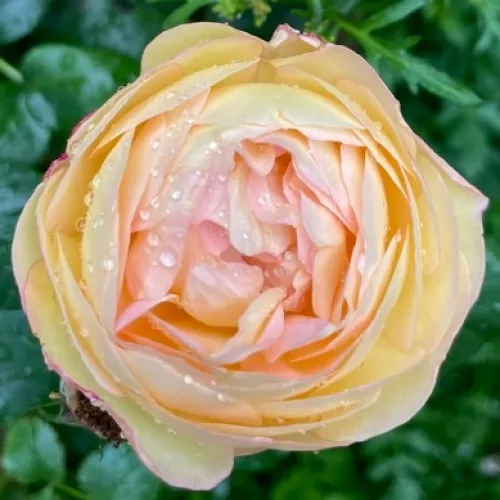
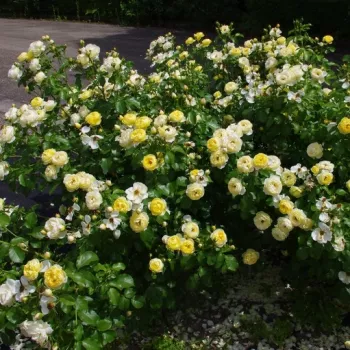
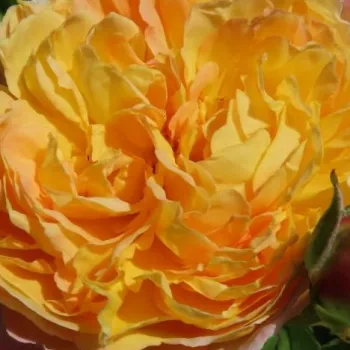
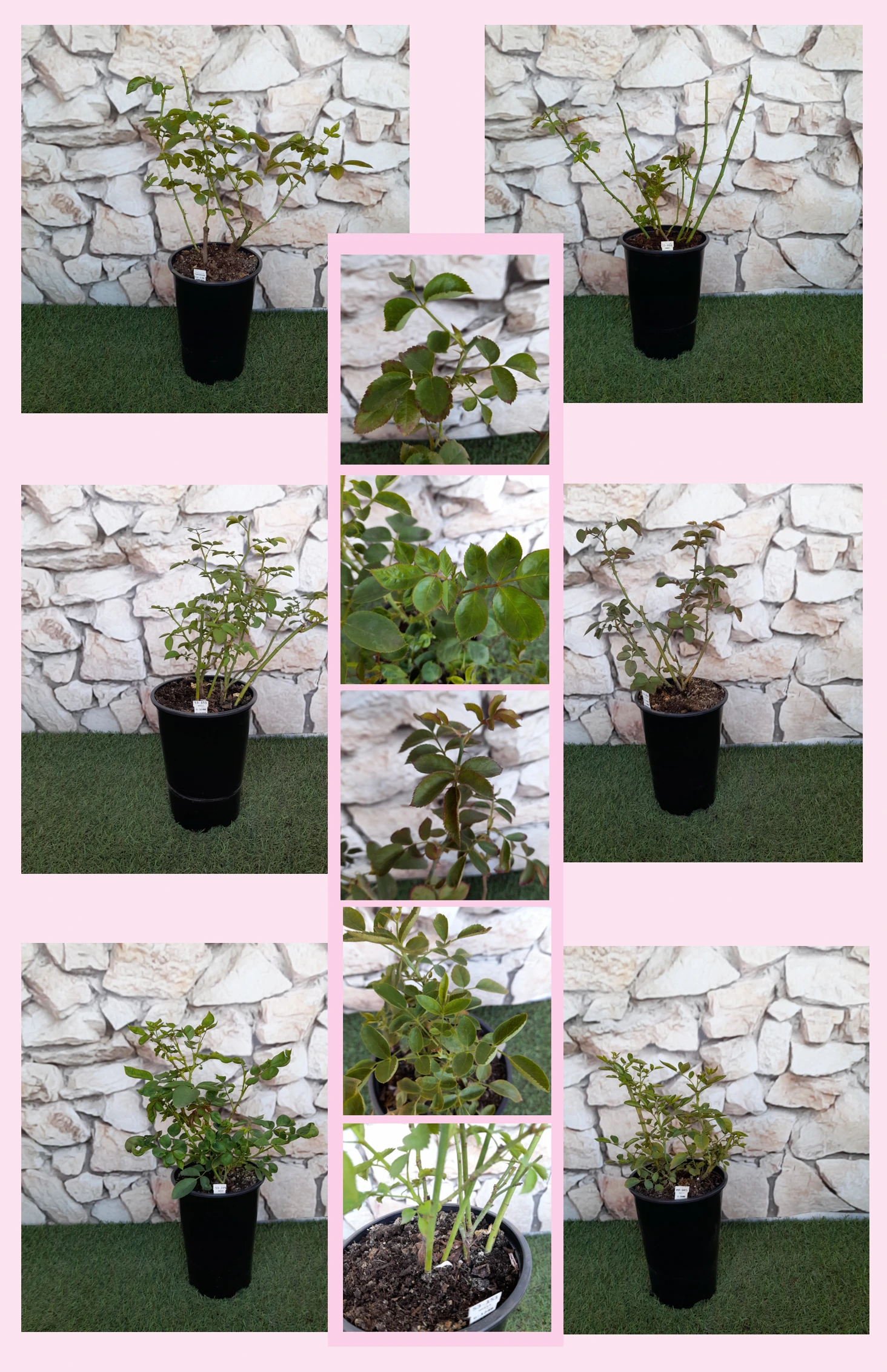
Bring a touch of Irish cottage charm to your garden with BELLE DE LYRA, a golden hybrid tea rose that thrives in typical Irish gardens while coping well with cool summers and frequent rain from the Atlantic, even when humidity is high. Its bushy, upright habit and mid-green, glossy foliage make it a graceful choice for narrow Dublin front borders or a single statement shrub near your path. The warm, rich golden-yellow buds open to buttery, straw-cream blooms that sit neatly on robust stems, ideal for cutting so you can enjoy them indoors. As an own-root plant, it settles in steadily, rewarding you as roots establish in year one, top growth develops in year two and full ornamental value appears around year three for lasting elegance with dependable structure. With moderate care and simple deadheading of spent flowers, you can enjoy repeat flowering from summer into autumn and long-term reliability without complicated routines.
Usage options
| Target area |
Reasoning |
| Front garden statement rose |
The bushy, upright habit and glossy mid-green foliage give a tidy, structured look in small front gardens, while the golden to cream blooms read clearly from the pavement, creating a welcoming focal point for visitors and busy homeowners. |
| Romantic cottage-garden border |
Clustered, medium-sized double blooms repeat through the season, softening mixed cottage borders in shades of yellow and cream; steady structure and long-term own-root growth mean a reliable backbone for relaxed, informal schemes and cottage-garden lovers. |
| Cut-flower patch or cutting border |
Long, straight stems with medium blooms in rich golden-yellow tones make this rose well suited for cutting, so you can bring its changing colours indoors repeatedly across the season, ideal for small home cutting patches and creative flower arrangers. |
| Small specimen near a seating area |
Placed by a bench or terrace, the dense foliage and continual production of buds and blooms draw the eye without dominating space, giving you an easy-care, elegant focus point for daily pauses outdoors and time-poor garden owners. |
| Low, informal flowering hedge |
At 95–130 cm tall with 60–85 cm spread, plants spaced in a row give a gentle, not-too-tall hedge; repeated golden blooms along the line add soft structure to paths or driveways while staying manageable for beginner gardeners. |
| Feature rose in large container |
In a well-drained container of at least 40–50 litres, BELLE DE LYRA functions as a movable accent plant, its upright form and repeat flowering brightening patios and balconies where ground planting is limited for urban balcony users. |
| Family garden focal point bed |
Own-root growth encourages a long-lived, stable shrub that copes with typical family-garden use; as roots settle in the first year and shoots fill out later, it becomes a durable, low-fuss centrepiece bed for long-term planners. |
| Mixed border in rainy, cool-summer areas |
Suited to our cool, damp climate, this rose fits well into mixed borders that see frequent rain and milder summers, pairing neatly with perennials while maintaining foliage quality under changeable skies for Atlantic-climate gardeners. |
Styling ideas
- COTTAGE RIBBON BORDER – Line a narrow front path with BELLE DE LYRA and fragrant cranesbill for soft yellow and pink waves that feel quietly romantic – ideal for cottage-front enthusiasts.
- GOLDEN FEATURE POT – Plant one rose in a 50-litre terracotta pot with low blue campanulas tumbling over the rim for a sunny focal point – perfect for patio-focused homeowners.
- SOFT HEDGE EDGE – Create a low hedge along a drive, interplanting with Geranium macrorrhizum to cloak the base and reduce weeding – suited to low-maintenance seekers.
- CUTTING-GARDEN CORNER – Group three plants at 60 cm spacing beside tall delphiniums to provide a steady source of yellow roses for vases – attractive for home florists.
- GIRLY PASTEL MIX – Combine with soft pink roses and white foxgloves in a small bed near a bay window for a pretty, feminine look – appealing to romantic-style gardeners.
Technical cultivar profile
| Property |
Data |
| Name and registration |
BELLE DE LYRA – Hybrid Tea; trade name Belle de Lyra Hybrid tea rose pharmaROSA®. The name means “beauty of Lyra”, referring to the small constellation Lyra. |
| Origin and breeding |
Hybrid tea discovered and developed within the PharmaRosa® programme; bred in France, 2014, with PharmaRosa® Ltd. (Hungary) as the initial distributor for European home gardeners. |
| Growth and structural characteristics |
Bushy, upright shrub reaching about 95–130 cm high and 60–85 cm wide, with dense, mid-green glossy foliage and moderate prickliness, forming an elegant, vertical accent in borders. |
| Flower morphology |
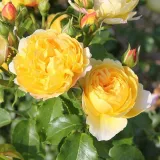
Medium-sized, 4–7 cm, fully double, cupped blooms with 26–39 petals borne mostly in clusters; remontant, with an abundant second flush and weak self-cleaning, so deadheading is recommended. |
| Colour data and phenology |
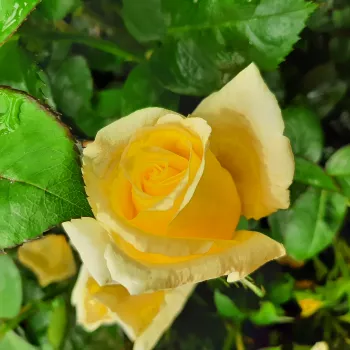
Warm golden-yellow buds deepen to amber tips, then open sunlit gold at the centre with paler lemon outer petals, fading through buttery yellow to straw-cream as blooms age on the shrub. |
| Fragrance and aroma |
No reliable fragrance data available from trials or descriptions; grown primarily for its visual effect, colour transitions and structured presence rather than for strong scent in the garden. |
| Hip characteristics |
Produces small, spherical orange-red hips, around 8–12 mm in diameter, generally in modest quantities; ornamental effect is secondary to the main flowering display during the season. |
| Resistance and winter hardiness |
Hardy to about -21 to -18 °C (RHS H7, USDA 6b, Swedish zone 3); moderate overall disease resistance, with good black spot resistance but only moderate tolerance to mildew and rust. |
| Horticultural recommendations |
Best in full sun with well-drained, improved soil; water during dry spells and deadhead for repeat flowering. Suitable for borders, low hedging, specimen planting and regular cut-flower harvesting. |
BELLE DE LYRA offers reliable repeat flowering, tidy upright structure and good climate resilience in an own-root form that promises long, stable garden value, making it a thoughtful choice for your next planting decision.