BELLE DE CRÉCY – mauve-lilac historic Gallica rose – Roëser
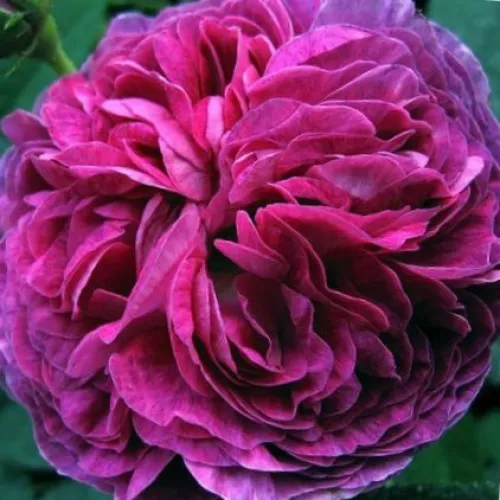
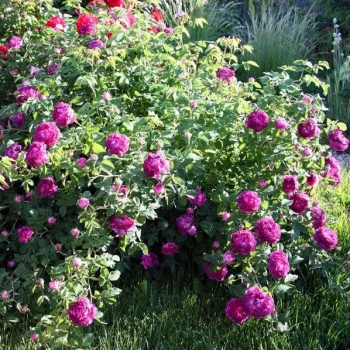
Step outside for a moment of gentle pleasure with ‘Belle de Crécy’, a historic Gallica shrub rose that turns even a small front garden into a scene of soft green light. Its once-a-year June flush is an unforgettable wave of fragrance, filling Irish cottage paths and city terraces with that deep, old-rose perfume you notice every time you pass. The mauve-lilac blooms open from cherry-red buds, then fade through smoky purples, giving your border romantic colour for weeks, even in cool summers with frequent rainfall and fresh breezes. Planted on its own roots, it settles in for a long, steady life, making a low-maintenance hedge or characterful specimen as its suckering growth gradually knits into a graceful structure.
Usage options
| Target area |
Reasoning |
| Cottage-style front garden hedge |
Forms an upright, slightly arching shrub that can be planted at about 90 cm centres for a soft, romantic boundary, its mauve-lilac flowers and grey-green foliage giving a classic cottage look ideal for a traditional-leaning homeowner. |
| Feature shrub by the front door |
As a specimen at roughly 170 cm spacing it develops into a distinctive focal point, with strongly scented blooms in early summer greeting you and your guests on every arrival, suiting a fragrance-focused beginner. |
| Historic rose border or collector’s bed |
Perfect for a dedicated historic rose corner, where its 1829 French origins, old-rose form and changing colours from crimson-pink to smoky mauve can be properly appreciated by a heritage-conscious collector. |
| Mixed shrub planting for long-term structure |
The upright, suckering habit slowly builds a durable framework that, on its own roots, can regenerate from the base and stay reliable for decades, appealing to a long-view planner. |
| Flowerbed with strong summer scent |
Planted at about 1 plant per square metre in a bed, it delivers a concentrated wave of strong, classic perfume during its main flush, ideal for those who value evening strolls with a clearly noticeable aroma. |
| Partially shaded side garden |
Tolerates partial shade, so it can brighten those side strips that miss full sun, giving you richly coloured blooms and scent where other roses may sulk, which suits a space-limited urban gardener. |
| Seasonal “moment of drama” planting |
Although it blooms once, that flowering is abundant and theatrical, turning an ordinary June into an event and rewarding the year’s simple pruning and feeding, attractive for a patient, experience-seeking enthusiast. |
| Structured planting on difficult clay soil |
Once established, its robust shrub form copes well when planted into improved heavy clay with good drainage, bringing reliable early-summer colour even where conditions are cool and often wet, reassuring for a weather-aware owner. |
Styling ideas
- Cottage-Hedge Charm – Line a low front boundary with Belle de Crécy underplanted with pink lupins for a frothy June show – for lovers of soft, “girly” cottage style.
- Doorway Welcome – Place a single shrub by the entrance with a 40–50 litre container of white coneflowers nearby to echo the mauve tones – for those who want scented greetings without fuss.
- Historic Quartet – Combine three Belle de Crécy shrubs with ornamental grasses like Panicum ‘Sangria’ to catch the breeze and highlight the old-rose form – for romantic history-minded gardeners.
- Pastel Seating Nook – Plant beside a bench with pale foxgloves and soft green foliage plants so the once-a-year flowering becomes a special sitting ritual – for reflective evening readers.
- Structured Clay Border – Use in a mixed shrub border on improved clay with mulch, pairing with hardy perennials to provide long-term framework and early-summer drama – for practical family-garden planners.
Technical cultivar profile
| Parameter |
Data |
| Name and registration |
Trade name Belle de Crécy, historic Gallica shrub rose from the Rós stairiúil collection; also listed as Belle de Crecy; exhibition category shrub rose; unregistered cultivar name. |
| Origin and breeding |
Old French variety attributed to Pierre Jean Louis Roëser, bred circa 1836 and introduced around 1829; exact parentage unknown, typical of historic Gallica and hybrid China roses. |
| Growth and structural characteristics |
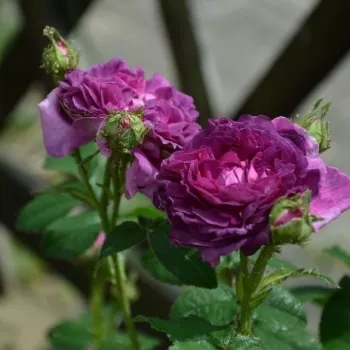
Medium shrub 75–125 cm high and wide, upright to slightly arching, with suckering shoots, moderately dense grey-green foliage with a blue-green tint, and comparatively sparse prickles on the stems. |
| Flower morphology |
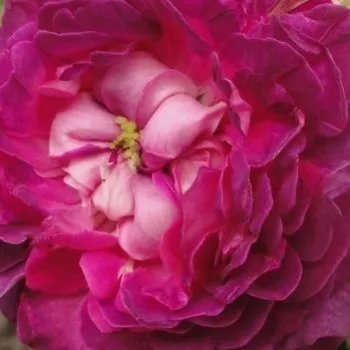
Medium-sized, very double rosette blooms, generally 4–7 cm across with 40 or more petals; flowers appear in corymbose clusters during a single main flush, with poor self-cleaning of spent blooms. |
| Colour data and phenology |
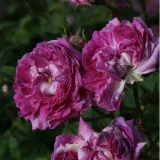
Closed buds purple-pink; freshly opened flowers vivid pink-purple, then cherry red–magenta; later fading to purplish, then greyish mauve-lilac with silvery reverse; best show in early summer main flowering. |
| Fragrance and aroma |
Strong, lingering perfume with a full old-rose character and classic rose scent; fragrance is particularly noticeable in still, mild weather and in more sheltered garden corners near paths or seating. |
| Hip characteristics |
Hip set generally sparse because of the very double flowers; occasional small, spherical, orange-red hips about 11–18 mm across may appear after good pollination and are mainly of ornamental interest. |
| Resistance and winter hardiness |
Fully hardy to approximately −32 to −29 °C (H7, USDA 4b); however, disease resistance is modest, with moderate sensitivity to black spot and powdery mildew and strong susceptibility to rust in damp seasons. |
| Horticultural recommendations |
Prefers well-drained soil improved on heavy clay, with regular feeding and protection from key fungal diseases; suitable for hedges, specimen planting, flowerbeds and park-style groupings at 90–170 cm spacing. |
BELLE DE CRÉCY rewards you with a uniquely scented, mauve-lilac early-summer display, long-lived shrub structure and the resilience of own-root growth, making it a thoughtful choice for gardeners who appreciate historic character and steady beauty.