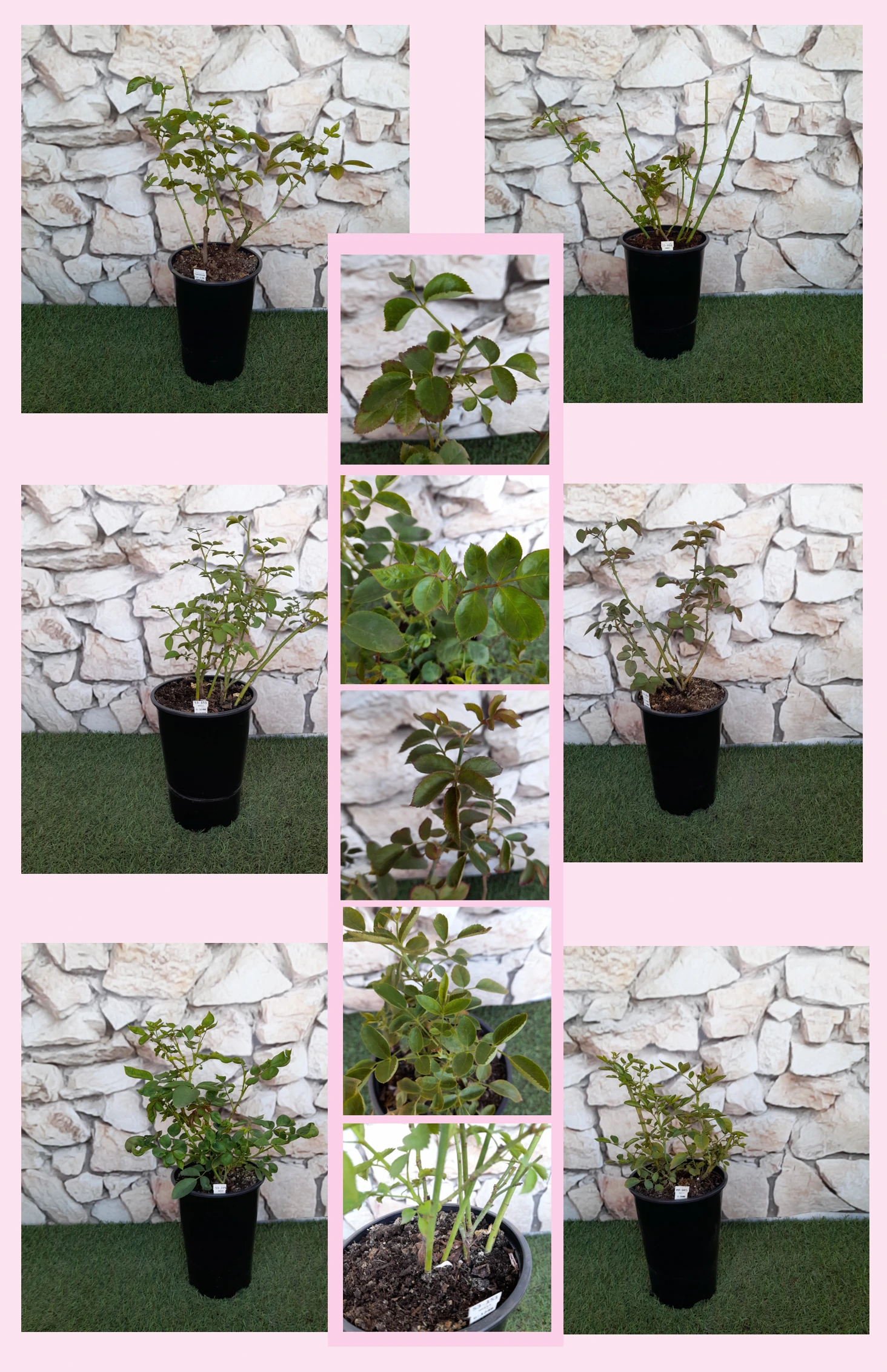
ROSA CANINA ABBOTSWOOD – pink landscape shrub rose
If you dream of a softly romantic, “girly” cottage feel at your front gate or along a Dublin terrace, Abbotswood is an easy-going botanical rose that brings simple charm with minimal effort. Its semi-wild look, soft pink flowers and fragrant, classic wild-rose scent create a mood of contentment in green, filtered light, while its naturally strong health means very little fuss in everyday care. Own-root plants settle in steadily, building long-lived resilience and the ability to regenerate if winter or pruning hits hard. Once the light blossom display is over, the shrub takes on another role with eye-catching orange-red hips for autumn and winter colour, keeping the garden interesting when little else is happening. This variety copes well with Irish conditions, even where frequent rain and heavy soil call for attention to drainage in wetter spots and beds. Expect a gentle three-stage progression – first it makes strong roots, then fuller growth, and by the third season you enjoy its complete wild-rose presence as a mature, characterful feature.
Usage options
| Target area |
Reasoning |
| Front-garden specimen shrub |
A single Abbotswood in a small to medium front garden quickly becomes a character plant: bushy, up to 2–2.5 m, with dark green foliage, soft pink spring–early summer bloom and glowing hips later on, yet with low maintenance demands for the busy homeowner |
| Naturalistic / wild-rose-style hedge |
Planted at around 115 cm apart, Abbotswood forms a thorny, wildlife-friendly hedge with a semi-wild look, ideal for cottage-style boundaries where you want privacy and shelter as well as flowers, hips and habitat for insects and birds for the nature-loving gardener |
| Pollinator-friendly bee border |
Semi-double flowers with accessible stamens make Abbotswood particularly attractive to bees and other pollinators; use it as a backdrop with oregano and creeping baby’s-breath to create a long-season nectar and pollen source for the eco-conscious gardener |
| Low-intervention family side garden |
With good general disease resistance and no need for regular pruning, Abbotswood suits busy family gardens where there is little time for detailed rose care but a desire for reliable structure and seasonal interest for the time-pressed family |
| Clay-tolerant cottage border feature |
This robust shrub handles typical Irish conditions well, provided you give it a planting hole with improved drainage in heavier clay, allowing it to establish steadily into a stable, long-lived framework for the Irish cottage-garden owner |
| Seasonal focal point near seating |
The medium-strength sweet wild-rose fragrance combines with the soft pink colour to create a gentle sensory focus beside a bench or small patio, especially in the main flowering weeks, enhancing everyday outdoor pauses for the fragrance-seeking gardener |
| Autumn–winter interest planting |
Large, orange-red, egg-shaped hips up to about 2 cm across carry the display well into autumn and winter, providing colour, structure and wildlife food after the flowers have finished, keeping beds lively in the off-season for the four-season planner |
| Background shrub for mixed borders |
At 2–2.5 m tall with moderately dense, dark green foliage, Abbotswood makes a solid backdrop behind perennials and grasses; once its main flower flush and hips are in place, it quietly anchors the planting year after year for the long-term planner |
Styling ideas
- Cottage-Romantic Hedge – Run a loose line of Abbotswood along a front boundary, underplant with dwarf oregano and creeping baby’s-breath for soft pink and white foam – ideal for lovers of informal Irish cottage style
- Bee-Friendly Screen – Use a staggered row as a natural screen, adding herbaceous pollinator magnets like salvias and catmint in front – perfect for gardeners focused on supporting bees and butterflies
- Wild-Edge Walkway – Plant Abbotswood on one side of a garden path and allow it to arch slightly, pairing with airy grasses for a semi-wild walk-through feel – suited to those who enjoy relaxed, rural atmospheres
- Fragrant Resting Spot – Place a specimen near a bench, with low mounds of thyme and pastel perennials at its feet to catch the soft wild-rose scent – a good choice for homeowners who savour quiet corners
- Autumn Hip Display – Combine Abbotswood with late-flowering perennials and a Ceanothus backdrop so its orange-red hips glow against blue and bronze tones – attractive for planners who value extended seasonal colour
Technical cultivar profile
| Characteristic |
Data |
| Name and registration |
Rosa canina Abbotswood, shrub / landscape botanical rose; trade names include Rosa canina Abbotswood and R. watsoniana; named after the Abbotswood estate and garden in Gloucestershire. |
| Origin and breeding |
Seedling from Rosa canina crossed with an unknown variety; bred by Fred Tustin in the United Kingdom before 1954 and introduced to the market by T. Hilling & Co in 1954. |
| Growth and structural characteristics |
Vigorous, bushy shrub reaching around 200–250 cm in height and 180–200 cm spread, with moderately dense, slightly glossy dark green foliage and densely prickled stems forming a substantial garden presence. |
| Flower morphology |
Semi-double clusters of small flowers, typically 5–12 petals, around 1–4 cm across; carried in sprays that cover the shrub in a once-per-season display rather than repeat flowering later in the year. |
| Colour data and phenology |
Pale, uniform pink flowers without stripes or spots; outer petals close to RHS 65C and inner petals 65D; once-flowering habit provides a strong seasonal flush followed by long-lasting ornamental hips. |
| Fragrance and aroma |
Medium-strength perfume with a soft, sweet, classic wild-rose character; best appreciated at close range during the main flowering period, contributing a gentle, nostalgic scent to paths and seating areas. |
| Hip characteristics |
Striking, egg-shaped orange-red hips, typically 15–20 mm in diameter, forming generously after flowering and providing autumn and winter ornament while also offering wildlife food value in mixed plantings. |
| Resistance and winter hardiness |
Robust landscape shrub with good general disease resistance and low maintenance needs; hardy to about −21 to −18 °C (RHS H6, USDA 6b, Swedish zone 6), performing reliably in exposed temperate gardens. |
| Horticultural recommendations |
Suited to specimen, hedge and naturalistic plantings; plant roughly 190 cm apart for massing or 115 cm for hedges; prefers reasonable drainage, copes with partial shade, and requires minimal pruning once established. |
ROSA CANINA ABBOTSWOOD offers easy-care natural charm, bee-friendly flowers and long-lasting hips on a resilient own-root shrub; a thoughtful choice if you would like a relaxed, enduring garden presence.