BAROLBCEL – red-yellow hybrid tea rose - Barth
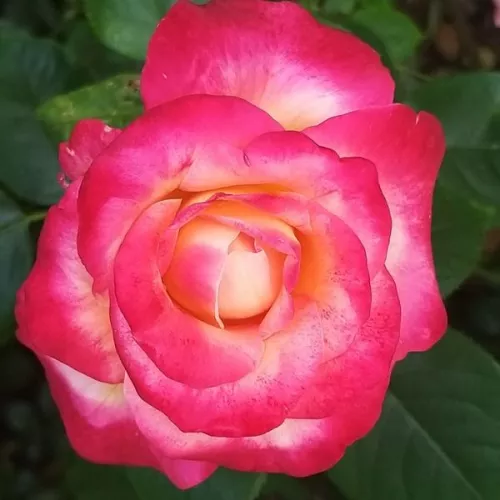
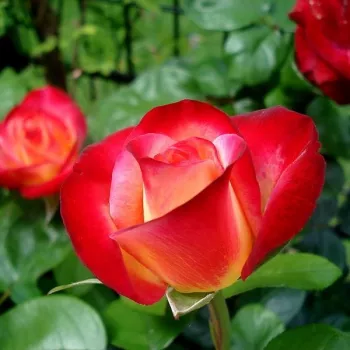
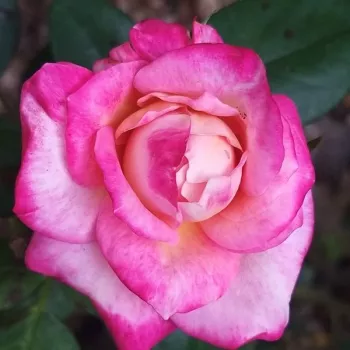
A refined hybrid tea for Irish cottage borders and Dublin front gardens, this rose offers velvety bi-coloured blooms that feel like a short walk under soft rain, the petals glowing in buttercream and cherry-red tones. Enjoy generous repeat flowering from summer into autumn, each high-centred bud unfolding with elegant structure that invites cutting for vases indoors. Own-root plants promise reassuring longevity, quietly rebuilding after any winter knock or pruning mishap and keeping their ornamental character season after season. In typical Irish conditions of regular rain and heavy soil, simply ensure good drainage to help it cope with our moist, disease-prone climate. With time the root system settles, the framework thickens and flowering increases – think of it as year one for roots, year two for stronger shoots, and year three for a fully developed display. Chosen for gardeners who value poise, colour and a touch of jazz-age romance by the door.
Usage options
| Target area |
Reasoning |
| Feature rose near the front door |
The tall, bushy habit and high‑centred blooms create a welcoming focal point beside a path or steps, ideal for cottage-style or terraced entrances where you pass close enough to appreciate the delicate scent; perfect for the design-conscious homeowner. |
| Cutting patch in a small garden |
Long-stemmed, exhibition-type flowers in classic hybrid tea form make this an excellent choice for a modest cutting corner, giving you refined, two‑tone stems for indoor arrangements throughout summer and autumn; ideal for the enthusiastic flower-lover. |
| Statement container on patio or balcony |
Grows reliably in a large 40–50 litre pot where drainage and watering can be controlled, allowing urban gardeners to enjoy its colour without reshaping the whole garden layout; well suited to the busy city gardener. |
| Colour-graded rose bed |
The cherry-red and creamy-yellow blend works beautifully in a themed rose bed, linking stronger reds and softer pastels, while repeat blooming keeps the display going between early and late summer flushes; ideal for the creative planner. |
| Edging along a sunny path |
With recommended spacing at 40–50 cm, a short row gives a low, formal edging that shows off the high-centred buds at eye level as you walk by, evoking a gentle promenade after rain in soft green light for the romantic garden walker. |
| Own-root investment planting |
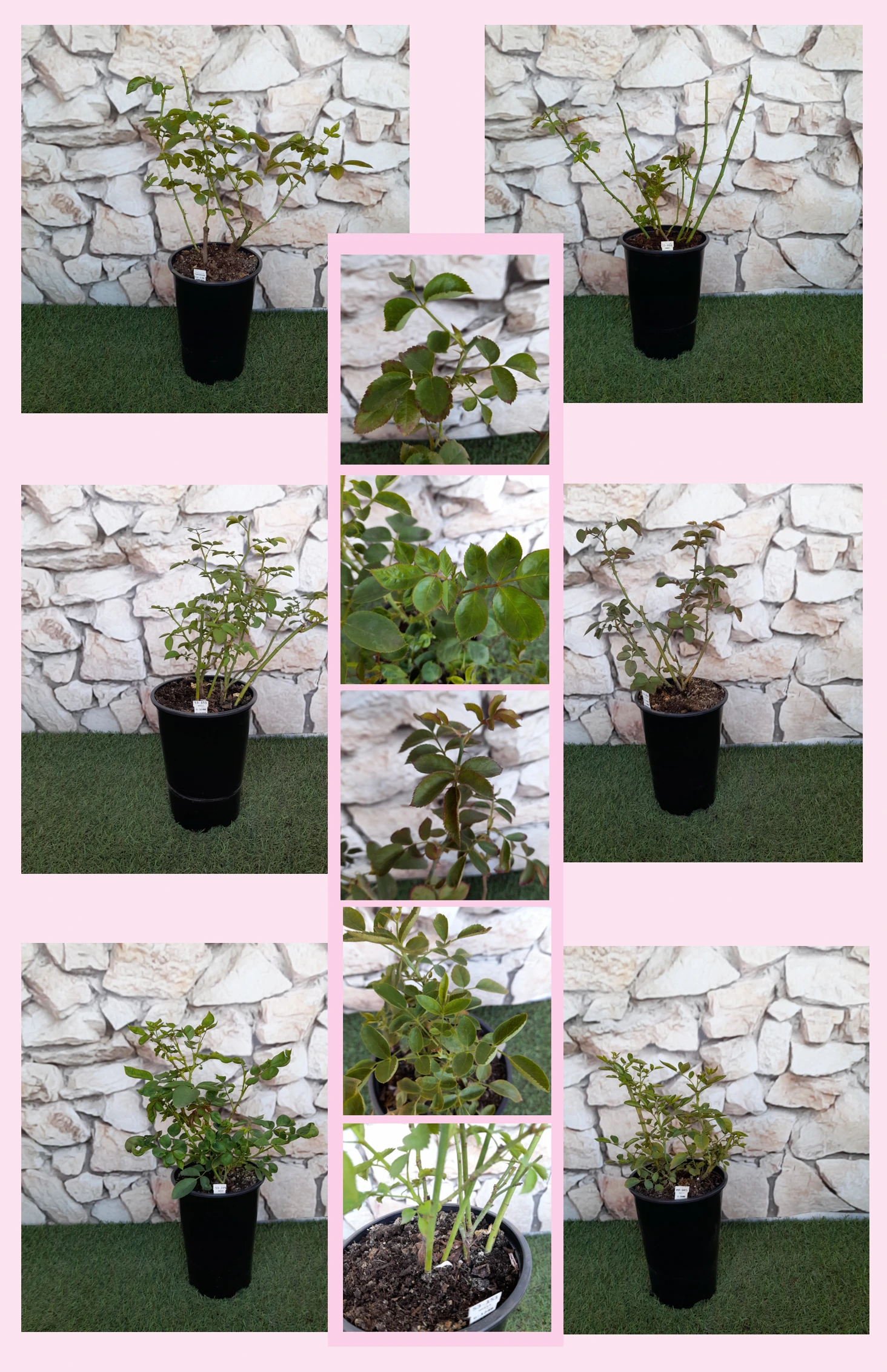
As an own-root plant it retains its true characteristics even after hard pruning or winter damage, gradually building a stable framework that can be renovated without fear of rootstock shoots, reassuring for the long-term minded owner. |
| Mixed border with contrasting foliage |
Pairs gracefully with low evergreen groundcovers and soft herbaceous textures, where its glossy mid-green foliage and refined blooms rise above a neat base layer that helps visually anchor the planting, attractive to the texture-loving collector. |
| Sheltered show bed for enthusiasts |
Best placed in a sunny, airy but sheltered position with good drainage to offset Ireland’s damp, disease-prone climate, allowing dedicated growers to manage protection and grooming for top-quality blooms, rewarding the committed rose enthusiast. |
Styling ideas
- Cottage-hedge – Plant in a loose row along a low picket fence, underplanted with obedient plant ‘Rosea’ for soft pink spires that echo the rose’s tones – perfect for romantic cottage gardeners.
- Terrace-theatre – Use a single large container flanking a Dublin townhouse step, letting the high-centred blooms perform against brickwork – ideal for urban homeowners who like discreet drama.
- Jazz-border – Mix with dwarf honeysuckle and small-leaved Euonymus to create a low, evergreen rhythm at the front, with the bi-coloured roses riffing above – suited to playful, design-driven gardeners.
- Classic-cutting – Dedicate a sunny strip purely to this hybrid tea, spacing evenly for straight stems and easy picking for vases indoors – for those who love arranging their own flowers.
- Evening-focus – Combine with pale perennials and light gravel near a seating area so the creamy petals catch the last light, extending enjoyment of the garden – ideal for after-work relaxers.
Technical cultivar profile
| Property |
Data |
| Name and registration |
Hybrid tea rose, registered as BARolbcel, trade name Barolbcel Hybrid tea rose BARolbcel; part of the Rós taehibride commercial group, premium bronze merit rating for garden performance and bloom quality. |
| Origin and breeding |
Bred by René Barth at Roseraies Barth, France; parentage undocumented. Introduced and registered in 2014, representing a modern exhibition-style hybrid tea aimed at both garden and cutting use. |
| Growth and structural characteristics |
Bushy shrub reaching about 70–100 cm high and 40–60 cm wide, with moderately dense, glossy mid-green foliage and moderate prickliness; forms upright flowering stems well suited to edging, beds and cutting. |
| Flower morphology |
Large, 7–10 cm, double blooms with 26–39 petals, high-centred cut-rose form on mainly solitary stems; reblooms well with a strong second flush, though spent blooms need regular deadheading for best effect. |
| Colour data and phenology |
Two-tone velvety cherry-red and soft creamy yellow flowers (ARS RB; RHS 53A, 11C); colours fade to rosy and cream-white, with stronger contrast in cooler weather and quicker fading in intense sun. |
| Fragrance and aroma |
Delicate, mild fragrance with a subtle classic rose character; noticeable at close range along a path or beside seating but not overpowering, complementing rather than dominating other scented garden plants nearby. |
| Hip characteristics |
Occasionally forms small, spherical rose hips 8–12 mm across, coloured red (RHS 40A); hips are sparse and mainly of ornamental interest late in the season when deadheading is relaxed. |
| Resistance and winter hardiness |
Hardy to around −21 to −18 °C (USDA 6b, RHS H7, Swedish zone 3); however, very susceptible to black spot, mildew and rust, so benefits from preventive care, dry leaves and good air movement. |
| Horticultural recommendations |
Best in full sun with fertile, well-drained soil; allow 40–85 cm spacing depending on use. Needs regular feeding, watering in dry spells, and consistent plant protection due to low inherent disease tolerance. |
BARolbcel offers refined bi-coloured blooms, generous repeat flowering and steady own-root resilience in a compact form; consider it if you would like a long-lived feature rose for a cherished spot.