BARFAI® – cream-white groundcover rose – Barni
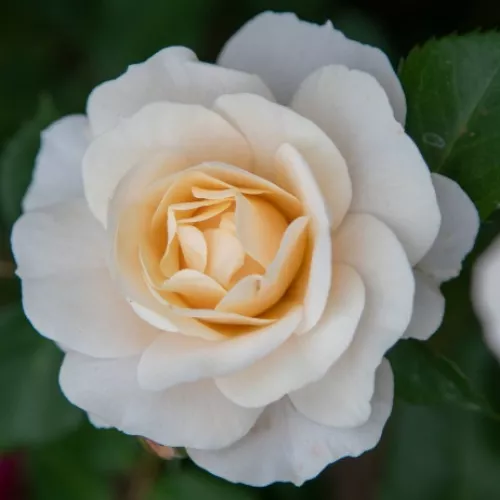
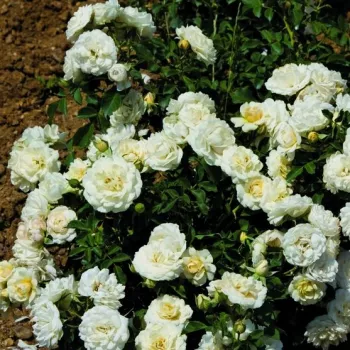
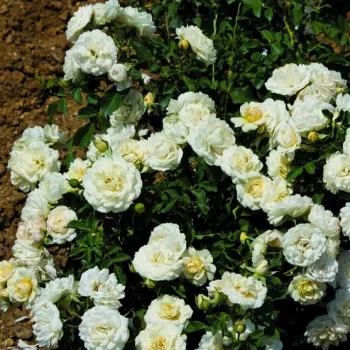
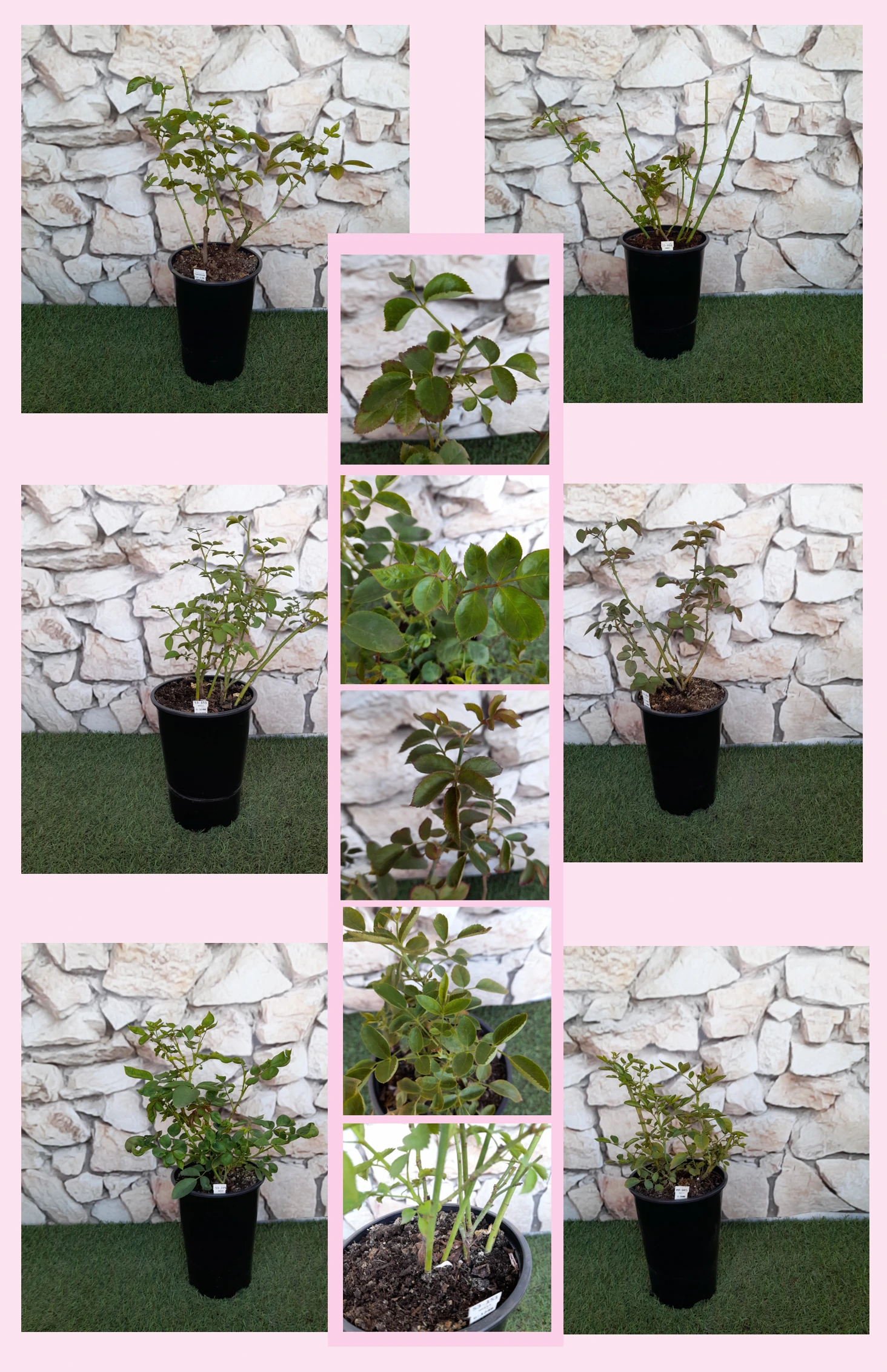
BARFAI® spreads a low, lacy carpet of cream-white blooms that brighten small Irish gardens with effortless charm and gentle elegance, even where summers feel brief and breezy with frequent showers and soft light. Its compact, dwarf habit makes it ideal for edging paths, filling gaps under shrubs, or softening the front of a Dublin terrace, while dense mid-green foliage creates a neat structure from spring to autumn. Clusters of semi-double flowers open buttery cream and soon fade to off-white, their visible stamens adding quiet interest and a welcome stop for passing bees. As an own-root rose, BARFAI® builds long-term stability and reliable regrowth, maturing steadily so that roots establish in the first year, shoots and spread follow in the second, and by the third year it settles into its full character and lasting presence.
Usage options
| Target area |
Reasoning |
| Low-maintenance front garden edging |
Compact, ground-hugging growth means BARFAI® stays neat along drives and paths with minimal clipping, ideal where you would rather not spend weekends pruning and deadheading; its straightforward care suits the time-pressed beginner. |
| Informal ground cover in cottage borders |
The dwarf, spreading habit can quickly knit together bare soil at the front of mixed borders, giving a soft, romantic line that fits an Irish cottage look without overwhelming perennials, a gentle choice for the relaxed homeowner. |
| Season-long colour in small family gardens |
Remontant flowering brings flush after flush of blooms from early summer onwards, so even a modest space gains long-running interest in a cool, changeable season, reassuring for those wanting steady display gardeners. |
| Bee-friendly flower patches near seating |
Semi-double clusters with open, visible stamens provide accessible landing spots and pollen, so you can enjoy quiet insect activity close to your favourite chair, an appealing detail for nature-aware city-dwellers. |
| Robust planting in wetter, clay-prone spots |
Strong disease resistance helps BARFAI® cope with humid, showery Irish weather once drainage is improved a little, an attractive option where foliage health matters in a family space for cautious buyers. |
| Durable, long-term planting schemes |
As an own-root shrub it builds a resilient framework that can regenerate if damaged, maintaining shape and bloom for many years with light annual care, giving peace of mind to investment-minded garden-owners. |
| Mass planting for clean, modern ground cover |
Its regular, low profile and tidy foliage lend themselves to repeated planting in rows or blocks, creating a simple, unified look that still feels soft, making design decisions easier for style-conscious residents. |
| Rain-friendly front gardens in coastal towns |
Flowers hold their creamy tones well, and the foliage stays attractive where summers are cool, moist, and often breezy with passing showers, providing reliable charm on everyday walks for busy urban families. |
Styling ideas
- Cottage-Ribbon – run BARFAI® in a loose line along a path, weaving between clumps of chives and creeping thyme for a low, scented border – ideal for relaxed cottage-style enthusiasts.
- Terrace-Front – edge a Dublin front railing with a single row, underplanting with spring bulbs so creamy flowers follow crocuses and daffodils – perfect for compact, city-facing homeowners.
- Soft-Carpet – mass-plant on a gentle slope or around small trees to create a light, cloud-like ground cover with minimal maintenance – suited to busy families wanting tidy impact.
- Bee-Strip – combine BARFAI® with thyme and penstemon to form a low pollinator corridor near patios, keeping colour varied but height controlled – good for wildlife-minded gardeners.
- Clay-Border – in improved but heavy soil, mix BARFAI® with ornamental grasses for texture and movement, letting its creamy flowers brighten greener tones – appealing to design-led beginners.
Technical cultivar profile
| Characteristic |
Data |
| Name and registration |
Groundcover shrub rose from the Ecorose collection; registered as BARfai with trade names Barfai® and Ecorose BARfai, marketed as BARFAI® – cream-white groundcover rose – Barni. |
| Origin and breeding |
Bred by Beatrice Barni in Italy, breeding year 2011; commercialised by Rose Barni with parentage not recorded; introduced to wider markets later, with formal registration dates not documented. |
| Growth and structural characteristics |
Compact, dwarf groundcover shrub reaching about 30–60 cm in height and 30–65 cm spread; dense, mid-green, slightly glossy foliage and moderate prickles form a close, carpeting structure. |
| Flower morphology |
Semi-double, flat flowers with 17–25 petals carried in clusters; small blooms of around 1–4 cm open repeatedly in abundant flushes, with the second flowering also notably generous in season. |
| Colour data and phenology |
Buds open buttercream yellow, becoming warm cream-white with ivory tones; colour lightens to off-white with a faint greenish cast at petal edges, retaining good colour stability throughout its flowering. |
| Fragrance and aroma |
Classified as a scentless rose with no noticeable fragrance in garden use; chosen primarily for colour, habit, and reliability rather than perfume, suiting planting where strong scent is not required. |
| Hip characteristics |
Produces moderately abundant, small spherical hips around 5–9 mm across, maturing to an orange-red colour and adding a fine-grained textural interest after the main flowering season. |
| Resistance and winter hardiness |
Rated resistant to powdery mildew, black spot and rust; tolerates winter lows around −23 to −21 °C (H7, USDA 6a), making it well suited to exposed, cool Irish gardens with proper soil preparation. |
| Horticultural recommendations |
Best in sunny sites with improved drainage, planted 25–50 cm apart depending on use; suitable for ground cover, edging, and beds, with low maintenance needs and only light pruning as required. |
BARFAI® offers compact, repeat-flowering groundcover with healthy foliage and gentle bee appeal, and in own-root form it promises long-lived, easily managed planting for those planning a calm, dependable garden.