BANZAI – yellow hybrid tea rose – Meilland & Mouchotte
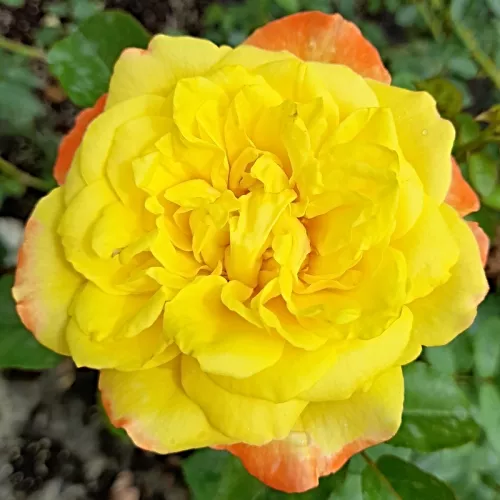
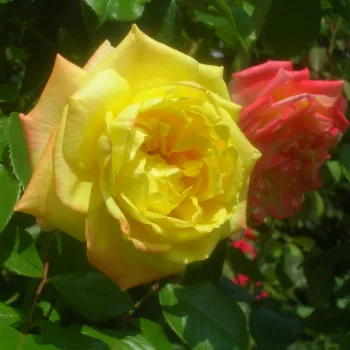
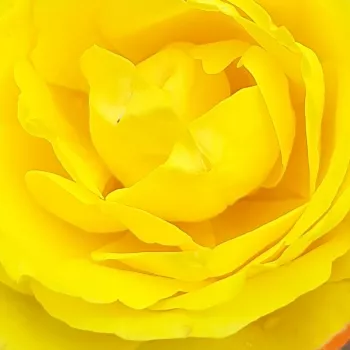
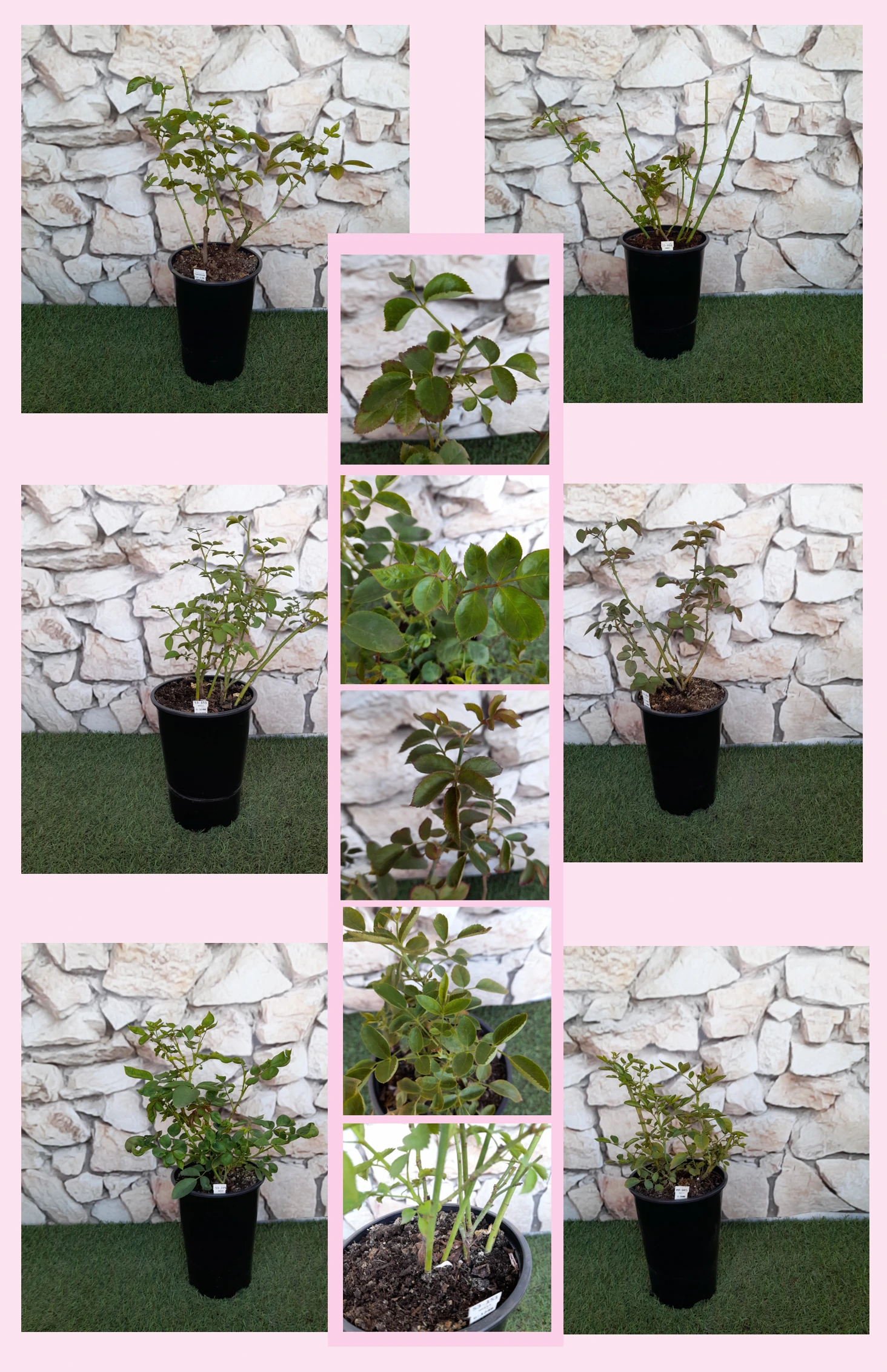
Imagine stepping outside after rain, the air cool and fresh, and being greeted by the neat, upright presence of BANZAI, its rich golden-yellow blooms glowing in soft light and holding their colour well even through changeable Irish summers and rainfall. This compact hybrid tea sits comfortably in small cottage-style beds or Dublin front gardens, offering reliable repeat flowering from summer into autumn with little fuss, especially when planted once in decent drainage and left to settle. Its own-root form promises reassuring longevity, regenerating well after winter or pruning and steadily gaining strength year by year. In a practical garden rhythm of roots in the first year, fuller shoots in the second and a satisfying show by the third, BANZAI quickly becomes a quietly cheerful highlight. With medium maintenance needs, tidy foliage and a calm, very light fragrance, it suits busy households who still want classic cut flowers from their own patch, giving a sense of contentment every time you pass, and pairing beautifully with soft perennials to complete the cottage look.
Usage options
| Target area |
Reasoning |
| Small Irish cottage front garden bed |
The compact, upright habit (70–100 cm) fits narrow borders without overwhelming paths or low windowsills, while the golden-yellow, high-centred blooms give a classic rose look in a modest space. Own-root planting supports a long-lived, reliable presence for beginners. |
| Dublin terraced-house front garden |
Where space is tight and the street is busy, BANZAI offers neat structure and repeated flushes of flowers with only medium maintenance, so you are not tied to constant deadheading. Its tidy foliage and contained spread keep pavements clear for urban-owners. |
| Mixed cottage-style border with perennials |
The rich yellow tones blend beautifully with Alchemilla, parsley and coneflowers, creating a relaxed, “girly” cottage feel while still giving straight-stemmed blooms for cutting. The own-root system means it recovers well after hard pruning for hobby-gardeners. |
| Cutting row in a family back garden |
High-centred, pointed buds on upright stems are ideal for vases, offering that traditional hybrid tea form at arm’s reach. Repeat flowering ensures a regular supply of blooms across the season for flower-lovers. |
| Feature plant in a sunny lawn island bed |
Planted as a single specimen at around 90 cm spacing, BANZAI forms a dense, upright bush that reads clearly from a distance, its golden-yellow flowers acting as a cheerful focus point. The gradual year-on-year build-up of strength rewards patient homeowners. |
| Roses in partial shade beside a front path |
This variety tolerates partial shade, so it copes well with the softer light typical of north- or east-facing Irish fronts, still producing repeat flushes rather than sulking. Its moderate disease resistance helps under damper, less airy conditions for busy-families. |
| Large container on patio or balcony (40–50 litre+) |
In a generous 40–50 litre pot with good drainage, BANZAI’s compact footprint and upright framework deliver a structured, long-flowering display close to the house. Own-root planting in containers helps stable regrowth if top growth is winter-damaged for apartment-dwellers. |
| Wind-exposed coastal or suburban garden |
The moderately prickly, compact framework and dense foliage stand up better than lanky types in breezier, wetter spots, where good soil preparation and drainage support resilience through Atlantic-influenced weather and frequent rain for coastal-gardeners. |
Styling ideas
- Cottage-Ribbon – Line a narrow front border with BANZAI and soft Alchemilla mollis for a yellow-and-lime “skirt” that feels informal yet neat – ideal for time-poor cottage-garden admirers.
- Sunny-Companion – Combine BANZAI with parsley and soft grasses in a mixed bed, letting the rose give height and cut blooms while foliage plants knit the scheme together – suited to relaxed food-and-flower gardeners.
- Front-Door – Place a single BANZAI in a 50-litre pot by the entrance, underplanted with trailing groundcover, for a structured, repeat-flowering welcome – perfect for busy urban homeowners.
- Cutting-Strip – Plant a short row of BANZAI along a sunny fence, spaced at 50–60 cm, to harvest classic buds for the house all summer – appealing to those who love homegrown bouquets.
- Soft-Glow – Use BANZAI as a focal clump in a lawn island, surrounded by pale perennials, so its lemon-to-cream colour shift reads as a gentle pool of light – designed for contemplative evening-garden users.
Technical cultivar profile
| Trait |
Data |
| Name and registration |
Hybrid tea rose, registered as MEIquitos, marketed as BANZAI – yellow hybrid tea rose – Meilland & Mouchotte; ARS exhibition name BANZAI; commercial group Rós taehibride. |
| Origin and breeding |
Bred by Meilland International (Jacques Mouchotte) in France, 2006; parentage unknown; introduced and registered in 2010 by Meilland International, Le Cannet-des-Maures. |
| Awards and recognition |
No specific competition or exhibition awards are currently recorded, but the cultivar holds a premium bronze merit rating within the antoniaROSE assortment for reliable garden performance. |
| Growth and structural characteristics |
Upright, compact bush 70–100 cm tall, 40–60 cm spread, with dense mid-green, matte foliage and moderate prickles; ideal for beds, hedging modules or use as a single specimen in small gardens. |
| Flower morphology |
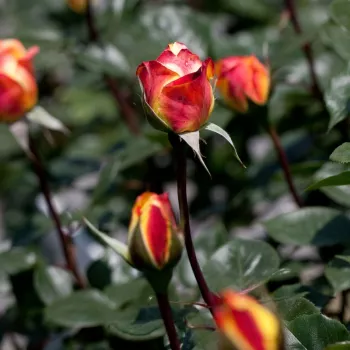
High-centred, pointed hybrid tea buds opening to double flowers with 26–39 petals, medium-sized (4–7 cm), mostly solitary on stems, with strong remontant character and abundant second flush. |
| Colour data and phenology |
Rich golden-yellow ARS Y; RHS 11B outer, 12A inner; buds vivid and deep, fading through lemon to pale creamy yellow by the end of flowering, with colour retention rated moderate in garden conditions. |
| Fragrance and aroma |
Fragrance is very weak and barely noticeable, making it a good choice near seating for scent-sensitive users; no confirmed notes for culinary, soap or cosmetic applications have been documented so far. |
| Hip characteristics |
Occasional small, spherical orange-red hips, 8–12 mm in diameter, form where flowers are not deadheaded; decorative effect is modest but may add a discrete autumn detail in low-maintenance borders. |
| Resistance and winter hardiness |
Hardy to approximately –21 to –18 °C (H7, USDA 6b, Swedish zone 3); disease resistance moderate for black spot, mildew and rust, so occasional preventative care is useful in humid seasons. |
| Horticultural recommendations |
Use in beds, hedges or as a cut flower; space 40–90 cm depending on layout; plant 4–4.6/m² for massing; prefers fertile, well-drained soil with mulching and balanced feeding for sustained flowering. |
BANZAI – yellow hybrid tea rose – Meilland & Mouchotte offers compact, repeat flowering, classic cut blooms and the quiet security of a long-lived own-root plant, making it a thoughtful choice for relaxed, low-fuss Irish gardens.