BAD HOMBURG – cream hybrid tea rose - Liebig
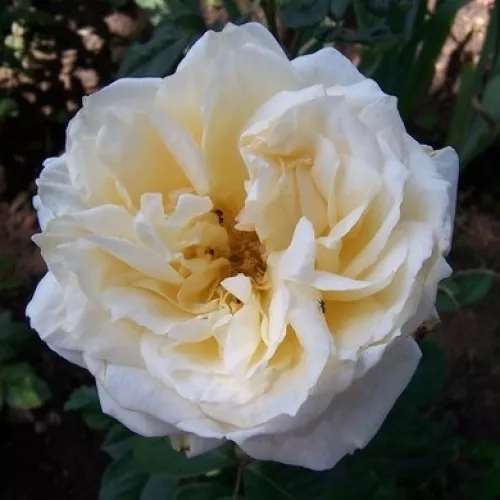
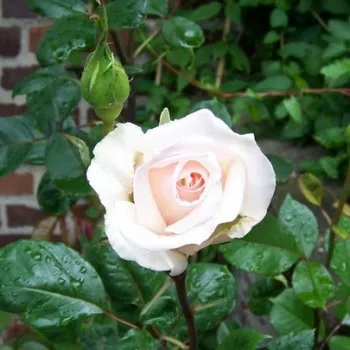
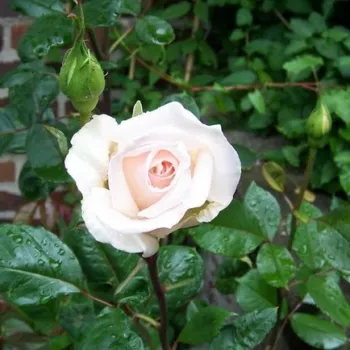
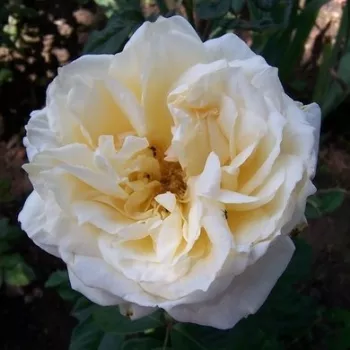
Imagine stepping outside for a gentle stroll after a shower, soft light on creamy blossoms that glow even through rainfall and damp air. BAD HOMBURG settles happily into Irish cottage borders or compact Dublin front gardens, bringing an elegant yet welcoming note without asking much in return. Its upright, bushy habit and creamy butter‑yellow blooms give a quietly luxurious look that still feels relaxed and homely. Planted on its own roots, the shrub develops steadily – with roots first, then stronger shoots, then full garden presence – for a long‑term, low‑fuss lifespan. Reliable remontant flowering from early summer to autumn means you are rarely without buds or blooms, especially when you deadhead spent flowers from this lush, double hybrid tea. With good disease resistance and sturdy growth, it offers reassuring ease for beginners and busy gardeners alike.
Usage options
| Target area |
Reasoning |
| Feature rose in a small front garden |
Use BAD HOMBURG as a single specimen near your front door where its upright, bushy form and large, creamy hybrid tea blooms create an elegant welcome with very little ongoing work, ideal for time‑pressed city homeowners and other beginners. |
| Classic rose bed in a family garden |
Planted in a small group at 60 cm spacing, its repeat flowering and good disease resistance give a reliable display through a cool Irish summer with minimal spraying or fuss, suiting relaxed family spaces and low‑maintenance gardeners. |
| Season‑long cut flowers from your own plot |
The long‑stemmed, large, very double blooms are superb for cutting, opening from warm butter‑yellow to porcelain cream in a vase, so even a modest bed can supply elegant bouquets for practical, home‑loving owners. |
| Own‑root planting for long garden life |
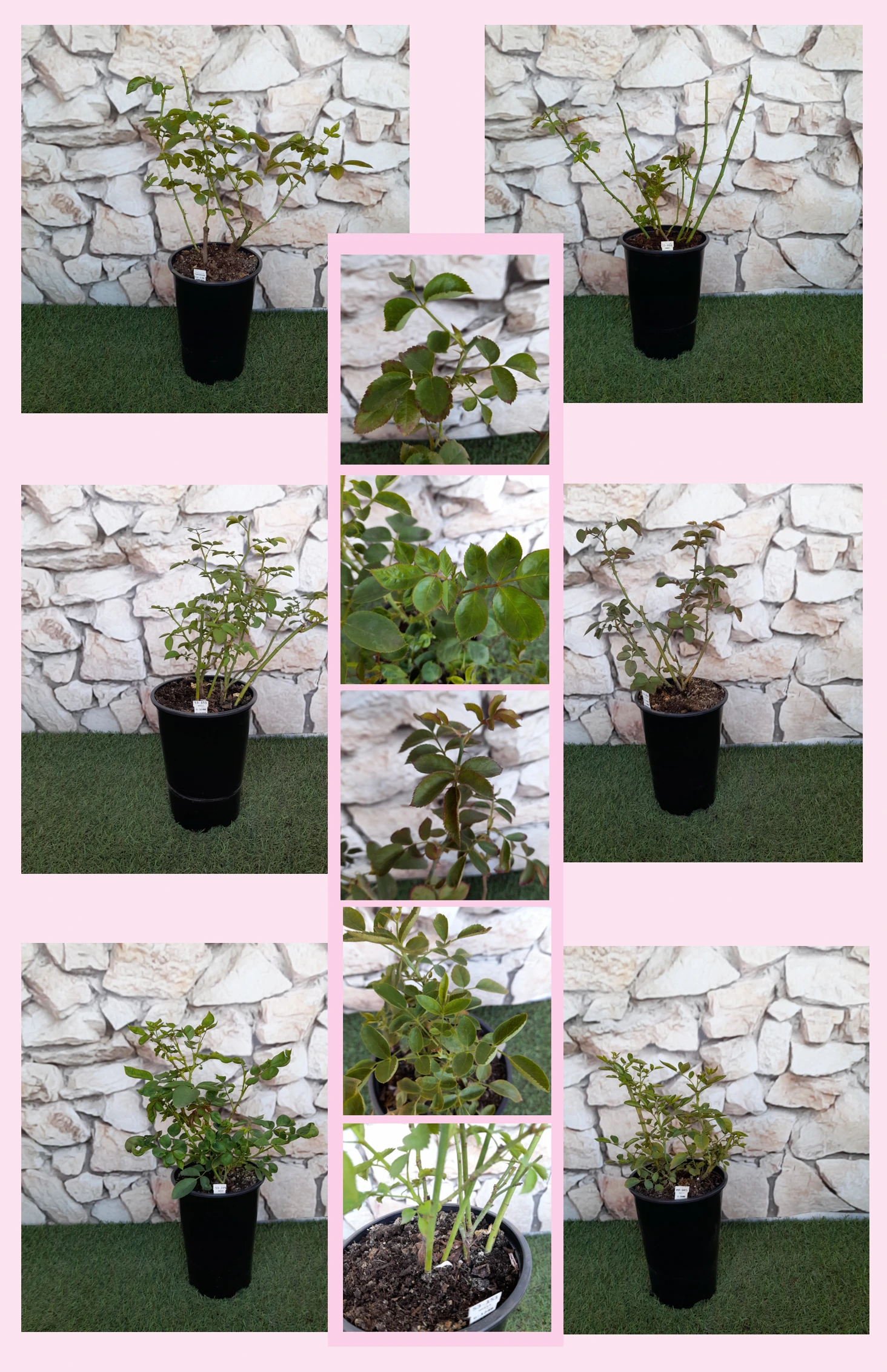
On its own roots this rose regenerates well after hard pruning or weather damage, keeps its variety traits without suckering issues, and matures into a stable shrub that rewards patient, long‑term‑thinking buyers. |
| Reliably tidy look beside paths and patios |
Dense, slightly glossy dark foliage and an upright habit give a neat outline; a little deadheading keeps the very double blooms fresh, offering an orderly yet soft edge for paths and terraces valued by neat‑garden householders. |
| Low‑input border in damp, changeable climates |
Strong resistance to black spot, mildew and rust means fewer treatments, even where frequent showers and mild air can favour fungal diseases, suiting those managing gardens in wet, breezy Atlantic conditions and cautious starters. |
| Romantic cottage‑style planting |
The soft fragrance and creamy, old‑fashioned bloom form blend beautifully with herbaceous perennials, giving a romantic, “girly” feel that works particularly well in traditional Irish cottage borders cherished by nostalgic gardeners. |
| Structured planting in small mixed hedges |
Set at about 50 cm in a low hedge, its bushy structure, uniform height and repeat flowering provide a gentle visual rhythm along drives or front boundaries, matching the needs of compact‑space planners and design‑minded owners. |
Styling ideas
- Cottage‑border glow – Thread BAD HOMBURG through pink campanulas and soft nepeta for a creamy, romantic cottage look – ideal for lovers of traditional, flower‑laden borders.
- Front‑door elegance – Flank a Dublin terrace entrance with two 40–50 litre pots of this rose and evergreen box for a simple, chic welcome – perfect for busy city homeowners.
- Cream‑and‑cornus – Combine with variegated Cornus sericea and lime‑green alchemilla for year‑round structure and soft summer roses – suited to practical gardeners wanting easy harmony.
- Cutting‑patch row – Plant a straight row at 60 cm spacings with low herbs at the base to enjoy steady supplies of scented stems – great for home florists and bouquet enthusiasts.
- Soft hedge line – Use as a low hedge along a path, underplanting with hardy geraniums to hide the base and extend colour – ideal for family gardens needing gentle structure.
Technical cultivar profile
| Parameter |
Data |
| Name and registration |
Hybrid tea rose, registered as PLAcharm, marketed as Bad Homburg hybrid tea rose PLAcharm; exhibition name Bad Homburg, belonging to the Rós taehibride commercial group. |
| Origin and breeding |
Bred by Ewald Liebig in Germany from ‘Goldina’ × (‘Arthur Bell’ × ‘Prominent’); introduced and registered in 1997, initially distributed by Pflanzen-Kontor in the German market. |
| Growth and structural characteristics |
Upright, bushy shrub reaching about 80–110 cm high and 50–70 cm wide, with dense, dark green, slightly glossy foliage and moderate prickliness suitable for beds and specimen planting. |
| Flower morphology |
Large, 7–10 cm, very double, cup-shaped blooms with 40+ petals are usually borne singly on stems; repeat flowering is strong, with a notably abundant second flush in season. |
| Colour data and phenology |
Flowers open warm buttery yellow and gradually fade through cream to ivory–porcelain white with a pastel yellow centre; colour retention is good, giving a refined creamy effect over time. |
| Fragrance and aroma |
Soft, elegant fragrance of mild intensity; a restrained classic rose scent best appreciated near paths, seating areas or when stems are cut for indoor arrangements and small posies. |
| Hip characteristics |
Occasionally forms small, spherical orange-red hips around 9–15 mm diameter, offering a discreet autumn feature but not produced in large quantities on well-deadheaded plants. |
| Resistance and winter hardiness |
Very good resistance to powdery mildew, black spot and rust; reliably hardy to about -21 to -18 °C (RHS H7, USDA 6b, Swedish zone 3) in typical garden conditions with basic care. |
| Horticultural recommendations |
Plant in well-drained soil, spacing 60 cm in beds or 50 cm in hedges; suits 40–50 litre containers, benefits from mulch and deadheading, with low maintenance needs for most gardeners. |
BAD HOMBURG offers long-season creamy blooms, strong disease resistance and durable own-root growth, making it a reassuring choice for gardeners seeking lasting, easy elegance in their beds or pots; you may find it suits your garden beautifully.