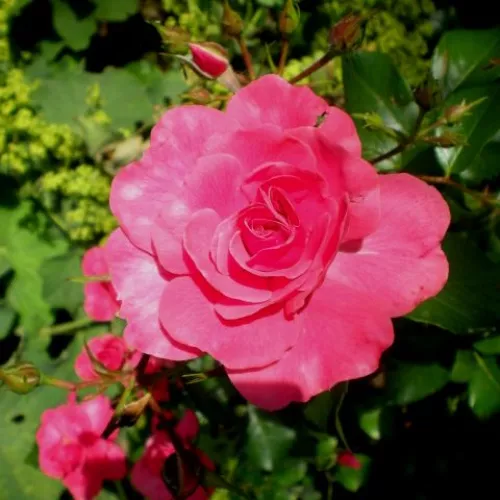
BAD BIRNBACH ® – pink bedding floribunda rose – Kordes
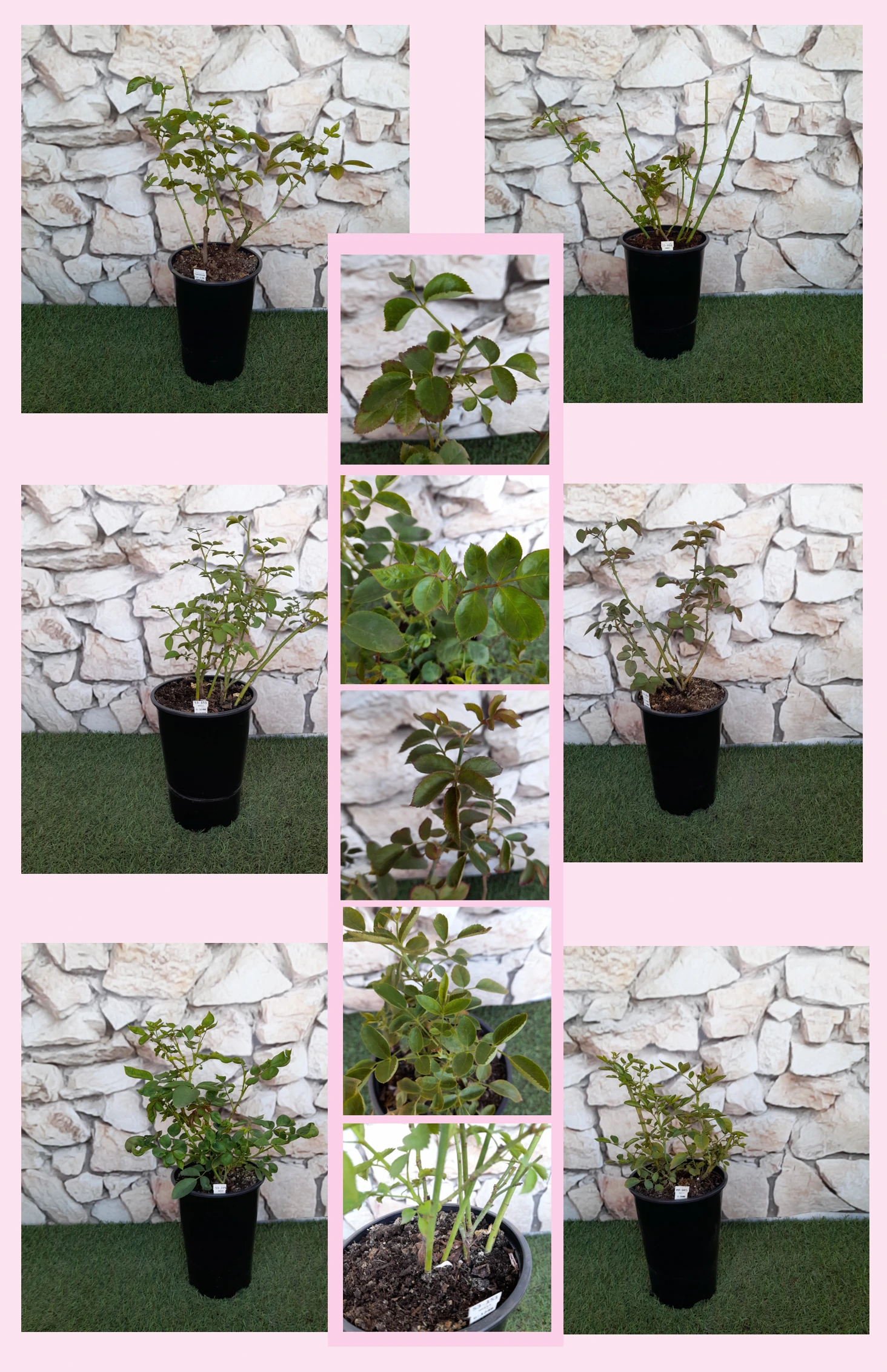
Step outside to a scene of cheerful colour: BAD BIRNBACH ® fills beds and borders with softly glowing salmon-pink clusters, creating an instant cottage feel in even the smallest Dublin front garden. This compact floribunda brings reliable flowering in flushes from early summer well into autumn, offering steady interest under our changeable skies and gently bright days. Its bushy, low habit and dense, glossy foliage give neat structure with little effort, while the semi-double blooms remain natural enough to tempt visiting bees. Bred by Kordes and tested for resilience, it copes well with breezy Irish weather and frequent showers on heavier soils where good drainage has been provided. As an own-root plant it settles in for the long term, building roots in year one, height and spread in year two, and full spectacle by year three, so you can enjoy a lasting, living canvas of colour with minimal fuss.
Usage options
| Target area |
Reasoning |
| Front garden bedding strip along a path or driveway |
Compact 40–60 cm growth and dense foliage make this rose ideal for smart, low-maintenance edging that never gets too tall for narrow spaces, yet still offers generous clusters of pink flowers for months on end; well suited to busy homeowners and beginners alike |
| Informal Irish cottage-style mixed border |
Semi-double pastel salmon-pink blooms blend beautifully with daisies, verbena and bellflowers, creating an easy, romantic cottage feel without needing constant deadheading or complex pruning, perfect for those who want charm rather than chores gardeners |
| Dublin terraced-house front garden focal bed |
The bushy, low habit sits neatly beneath windows, softening brick and railings while flowering repeatedly through a short Irish summer, giving reliable colour where space is tight and time for garden care is limited residents |
| Small groundcover group on a slope or bank |
Planted at 45 cm spacing, the branching, spreading habit quickly knits together into a living carpet that suppresses weeds and holds visual interest, reducing the need for regular weeding and trimming on awkward-to-reach slopes families |
| Low flowering hedge beside a lawn or play area |
Beds of this floribunda at 40 cm spacing form a soft, low hedge that frames lawns and play spaces with colour while remaining easy to look over and around, giving structure and flowers without high, formal clipping demands homeowners |
| Large patio containers and roof-terrace planters |
In a 40–50 litre container with good drainage, its bushy, compact shape and long flowering season bring a steady show to patios and balconies, especially where soil is poor, letting you grow roses successfully above ground with simple seasonal care urbanites |
| Pollinator-friendly family garden corner |
Semi-double flowers with accessible stamens provide occasional forage for bees while still looking full and decorative, pairing well with verbena and other nectar plants to create a wildlife-friendly yet tidy corner for nature-minded households pollinator-lovers |
| Long-lived feature in a mixed clay-soil border |
Own-root planting gives a durable, regenerating shrub that settles into heavier Irish garden soils when drainage is improved, steadily gaining strength year by year and rewarding light, regular maintenance rather than intensive care beginners |
Styling ideas
- Cottage Ribbon – run a low drift of BAD BIRNBACH ® along a path, weaving between clumps of oxeye daisy for a soft cottage-garden welcome – ideal for relaxed family homes
- Salmon Cloud – mass-plant three to five bushes in front of dark evergreen shrubs so the warm pink clusters appear as a glowing cloud – suited to small suburban front gardens
- Terrace Tapestry – in a large container, underplant this rose with trailing campanulas and soft herbs to create a fragrant, textured tapestry around seating – perfect for compact patios
- Bee Border – mix BAD BIRNBACH ® with tall verbena and other pollinator perennials, letting the semi-double blooms sit among airy purple wands – for wildlife-conscious families
- Soft Hedge – plant a staggered row beside a lawn to form a low, flowering hedge that frames play areas without blocking views – great for child-friendly gardens
Technical cultivar profile
| Property |
Data |
| Name and registration |
Floribunda bedding rose, registered as KORpancom, marketed as BAD BIRNBACH ® in the Kordes' Klima-Rosen® collection; commercial type floribunda, suitable for garden and landscape use. |
| Origin and breeding |
Bred by Reimer Kordes (Germany) from ‘Weisse Immensee’ × ‘Bella Rosa’; bred 1983, introduced 1999 by W. Kordes’ Söhne, with German plant variety protection granted in 1998. |
| Awards and recognition |
Holds the ADR award (2000) for overall garden performance, plus silver medal in Madrid (1999) and Australian Certificate of Merit (2001), confirming strong ornamental and landscape value. |
| Growth and structural characteristics |
Compact, bushy shrub reaching 40–60 cm in height and spread, with dense, dark green glossy foliage and moderate prickles, forming tidy, low plantings well suited to borders and groundcover. |
| Flower morphology |
Semi-double, flat, cluster-flowering blooms with around 13–25 petals; medium-sized flowers, typically 4–7 cm across, produced in trusses that repeat freely in successive flushes through the season. |
| Colour data and phenology |
Warm salmon-pink flowers, RHS 38C outer, 38D inner; buds open vivid, then soften to pastel and may lighten in strong sun, sometimes deepening slightly in cooler weather as the blooms mature. |
| Fragrance and aroma |
Fragrance is very weak and barely noticeable, making it a suitable choice where scent competition is undesired or for those prioritising colour, form and dependable flowering over strong perfume. |
| Hip characteristics |
After flowering, can produce a moderate display of small, spherical red hips about 6–10 mm across, adding subtle late-season texture and colour if spent blooms are not removed. |
| Resistance and winter hardiness |
Rated hardy to about –26 to –23 °C (H7, USDA 5b) with moderate resistance to black spot, powdery mildew and rust; tolerates heat well, with limited but acceptable information on drought response. |
| Horticultural recommendations |
Best at 40–45 cm spacing for beds or hedges, 75 cm as a specimen; thrives in well-drained, fertile soil, including improved clay, and is suitable for beds, containers, parks and urban plantings. |
BAD BIRNBACH ® offers compact, long-season colour, gentle pollinator appeal and durable own-root growth that settles in for years of easy enjoyment, making it a thoughtful choice for everyday Irish gardens.