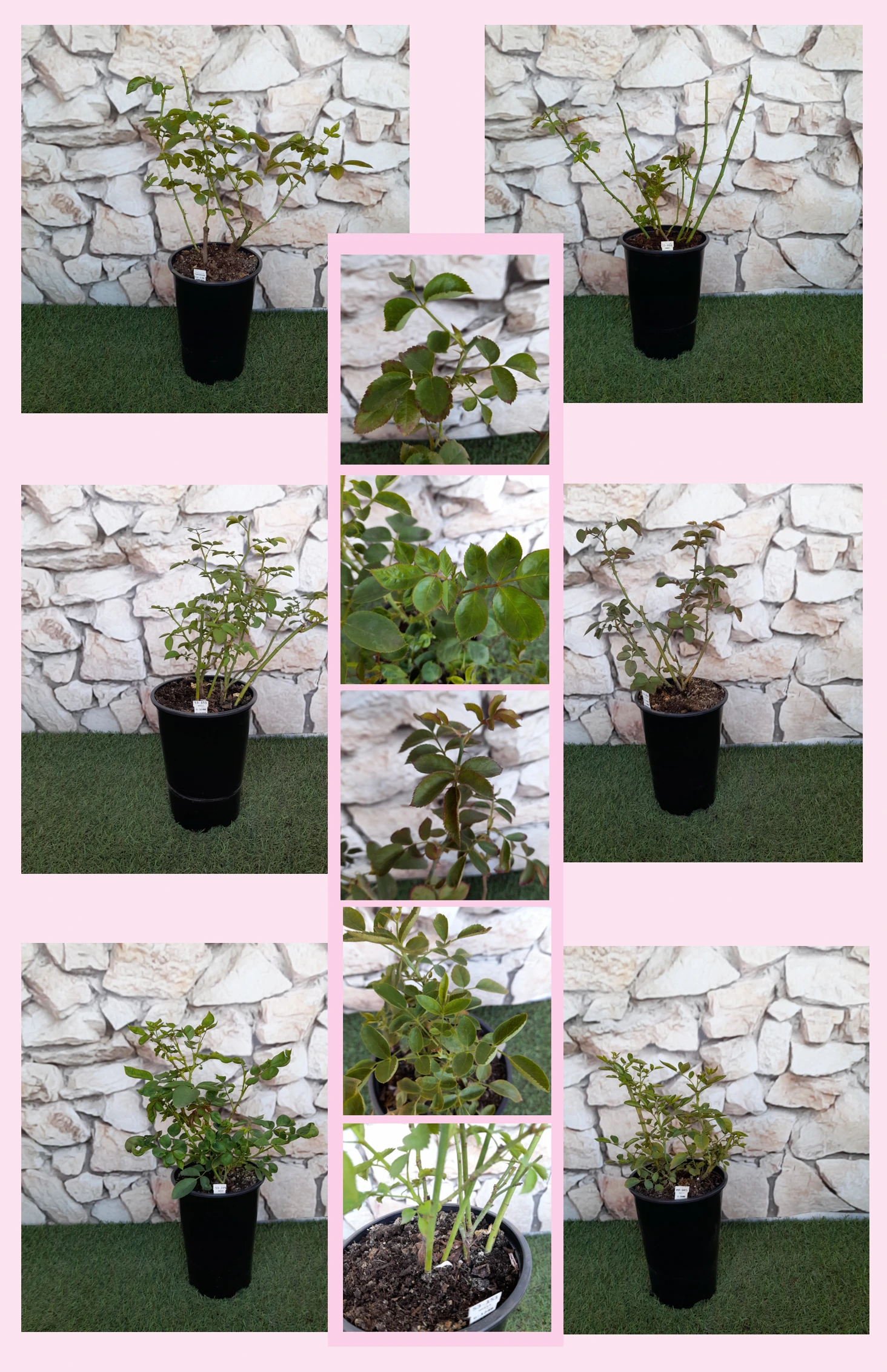
LA MER – light lilac bedding floribunda rose – Kawamoto
Imagine stepping outside for a brief stroll as light rain freshens the garden, your path framed by lavender waves of LA MER that shrug off damp weather and thrive even where humidity encourages fungal problems, keeping their cool, silvery‑lilac glow from spring into autumn with reliable remontancy. This easygoing floribunda settles in steadily as an own‑root shrub, so after a period of quiet root‑building and then stronger top growth, it matures into a stable, long‑lived feature with little need for fussing. Medium‑sized, cupped blooms and healthy, mid‑green foliage give a soft, romantic cottage feel that suits both rural plots and compact city fronts, while the medium, clearly noticeable fragrance adds a gentle, clean note when you pass. With low chemical needs thanks to solid disease resistance, it offers a relaxed way to bring “girly” colour to clay‑based beds, mixed borders or generous containers, rewarding your light‑touch care with season‑long, contented flowering.
Usage options
| Target area |
Reasoning |
| Front cottage‑style border by a path |
LA MER’s medium, cupped blooms and gentle, lilac tones give an instant romantic cottage feel without demanding complex pruning schedules, making it easy to enjoy from day one for beginners. |
| Low‑maintenance family flower bed |
With good resistance to common rose diseases, foliage stays attractive even in damp Irish seasons, reducing spraying and deadheading, a genuine time‑saver for busy homeowners. |
| Feature shrub near a seating area |
The clearly noticeable, soft fragrance is ideal beside a bench or patio, adding a calm, scented backdrop to evening chats without overwhelming the senses of fragrance‑lovers. |
| Loose, informal hedge along a driveway |
Its upright, branching habit and 100–140 cm height create a flowing, lilac‑washed line that marks boundaries gently rather than formally, suiting relaxed gardens of urban families. |
| Large container on a sunny terrace |
Planted in a well‑drained, 40–50 litre container, LA MER forms a stable, own‑root shrub that recovers well from any winter dieback, giving years of steady performance for balcony‑owners. |
| Clay‑soil bed improved with organic matter |
Once drainage is improved with compost and mulch, this variety establishes reliably even in heavier Irish soils, building roots first, then shoots, and finally full ornamental value for practical gardeners. |
| Mixed border with silver and blue companions |
The cool lavender colour and repeat flowering sit beautifully with plants like lavender cotton and bluebeard, carrying the display through changeable summers for design‑conscious planters. |
| Rain‑kissed front garden in a coastal town |
Its strong disease resistance keeps foliage clean despite frequent showers and mild, moist air, coping well where damp breezes and soft rain are part of everyday life for sea‑side residents. |
Styling ideas
- Soft‑border romance – Thread LA MER through a low border with foxgloves and hardy geraniums for relaxed lilac waves – ideal for cottage‑garden enthusiasts.
- Terraced elegance – One shrub in a 50 litre pot with airy grasses gives a chic, scented focal point – perfect for style‑aware city dwellers.
- Gentle hedge – Plant a loose row at 90 cm intervals for a billowing, low‑care front‑garden screen – suited to busy family households.
- Lilac focal curve – Use three plants in a shallow arc near a seating area to frame views with colour and scent – appealing to evening‑garden enjoyers.
- Cool‑tone mix – Combine with lavender cotton, bluebeard and soft white perennials for a silvery‑lilac, low‑spray scheme – for eco‑minded, design‑led gardeners.
Technical cultivar profile
| Parameter |
Data |
| Name and registration |
Floribunda shrub bedding rose; trade name LA MER – light lilac bedding floribunda rose – Kawamoto; collection: bedding rose; commercial group: Rósra bhláthchlóis. |
| Origin and breeding |
Bred by Kawamoto Junko, Kawamoto Rose Garden, Japan; parentage unknown; bred before 2013 and introduced 2014; registered in Japan (MAFF) in 2013 by the breeder. |
| Growth and structural characteristics |
Upright shrub, 100–140 cm tall and 90–130 cm wide; moderately dense, mid‑green, slightly glossy foliage; moderately thorny canes; suitable for borders, hedging and feature planting. |
| Flower morphology |
Large, 7–10 cm, double, cup‑shaped blooms with 26–39 petals; flowers borne in clusters of 1–3 per stem; remontant with abundant second flush and good repeat through the season. |
| Colour data and phenology |
Silky, light lavender‑purple with rosy‑lilac tones; pastel buds open greyish‑lilac with silvery bloom, maturing to silvery lavender; colour fades gently to soft, muted, slightly greyed lilac. |
| Fragrance and aroma |
Medium‑strength, clearly noticeable scent of soft, pleasant character; fragrance evident at close range around paths and seating areas; suitable for gardens where subtle perfume is valued. |
| Hip characteristics |
Poor hip set expected due to double flowers; occasional small, spherical, orange‑red hips 6–10 mm diameter may appear; ornamental effect from hips is limited and not a key feature. |
| Resistance and winter hardiness |
Good resistance to powdery mildew, black spot and rust; hardy to about −26 to −23 °C (H7, USDA 5b, Swedish zone 4); moderate heat tolerance; regular mulching supports resilience. |
| Horticultural recommendations |
Prefers full sun and well‑drained soil, including improved clay; spacing 100 cm for mass, 90 cm for hedges, 150 cm solitary; plant 1–1.2 per m²; suit large 40–50 litre containers. |
LA MER offers fragrant lilac blooms, reliable repeat flowering and strong disease resistance in a long‑lived own‑root shrub, a thoughtful choice if you favour relaxed beauty with modest, steady care.