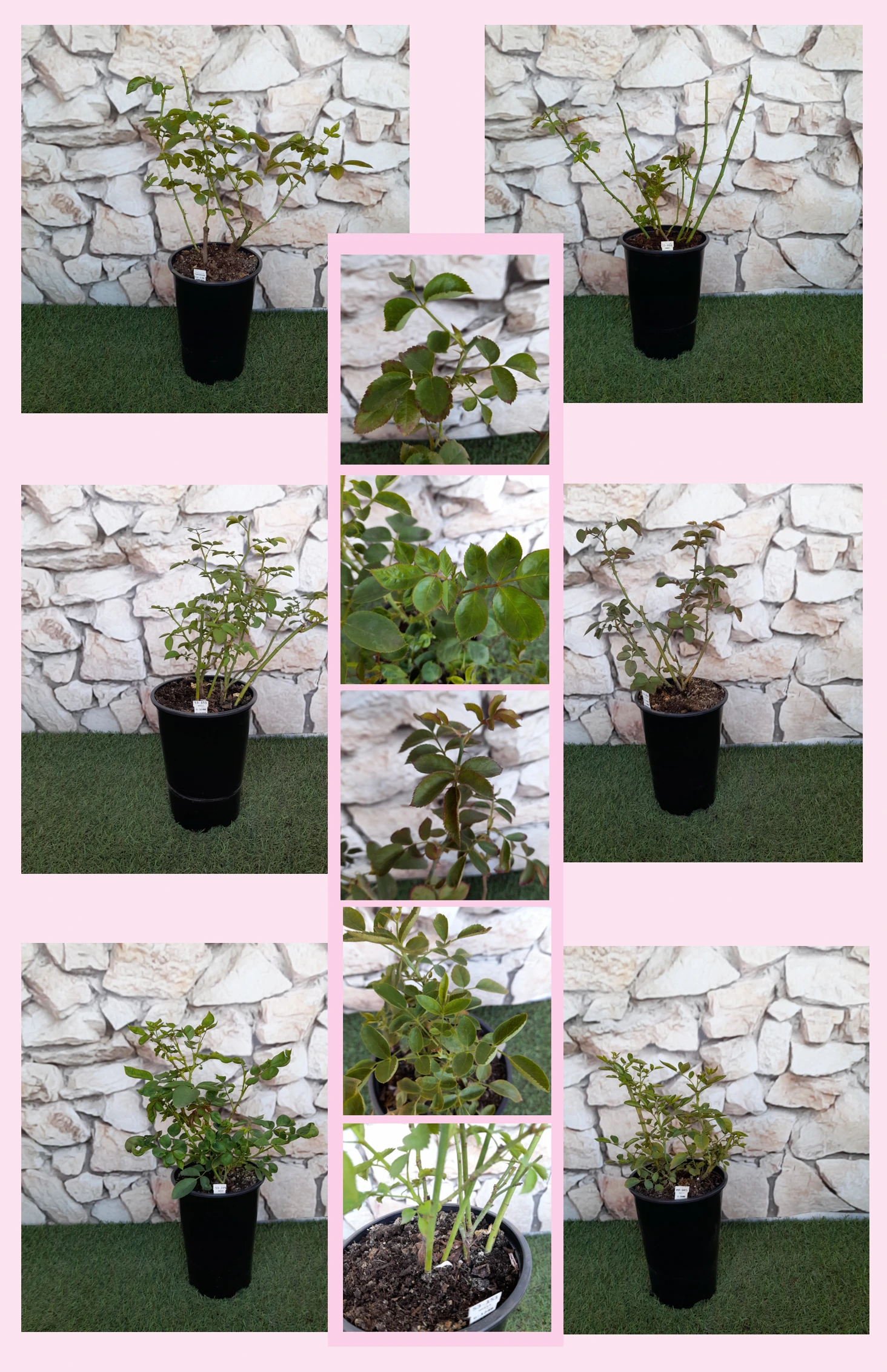
Tess of the d’Urbervilles – crimson English climbing shrub rose
Soft raindrops, a short garden stroll and the rich crimson glow of Tess set the mood for cheerful, easy evenings in a small Irish garden, even where summers are cool and humid with frequent rain and gentle coastal influence. Generously double rosette blooms, carried in clusters on an upright, trainable framework, give the relaxed, “girly” charm that suits cottage borders and Dublin terraces alike. Strong, classic rose fragrance drifts through the soft light, while the own‑root habit helps the shrub establish steadily and live for years with modest care – roots in year one, fuller shoots in year two, then settled, reliable flowering by year three.
Usage options
| Target area |
Reasoning |
| Family border in a small to medium back garden |
This rose builds into an upright, full shrub with dense mid‑green foliage and large, double rosette blooms, giving a strong focal point without demanding complex care routines; ideal for hobby gardeners seeking classic colour and shape in everyday borders for the family. |
| Training on an arch or pergola over a path |
With its tall, trainable growth and flexible shoots, it can be guided over arches or pergolas to create a romantic tunnel of crimson flowers and scent, especially effective on short walks in light rain for those who enjoy atmospheric garden structure for the walker. |
| Dublin terraced-house front garden feature |
The striking deep crimson flowers and classic English Rose character provide strong kerb appeal in a small footprint, suiting narrow beds or railings where a single statement plant must work hard, perfect for busy urban owners wanting maximum impact for the neighbourhood. |
| Low-maintenance cottage-style mixed planting |
Its repeat flowering habit brings waves of colour through the short Irish summer with only moderate maintenance, fitting relaxed cottage schemes where perennials and grasses mingle and gardening time is limited for the beginner. |
| Long-lived structural rose for family gardens |
As an own-root rose it regenerates well from the base, stays true to type if cut back hard, and gradually forms a durable framework that can serve as a backbone plant for many seasons, reassuring for planners thinking ahead for the future. |
| Partial-shade corner between houses or fences |
Suitable for partial shade, it can flower respectably where light is softer, such as side passages or courtyard corners, giving colour and scent where many roses struggle, a good solution for city plots with overshadowed spaces for the courtyard. |
| Clay-soil beds with improved drainage and mulching |
Once planted into well‑drained, improved clay with organic mulch, it adapts to wet Irish weather and frequent rain, coping well where summers are cool and humid with frequent showers, practical for householders gardening on heavy ground for the soil. |
| Cut flowers from a home garden planting |
The large, very double blooms on long stems have strong, classic rose fragrance and good colour retention, making them suitable for cutting a few stems for the house, ideal for those who like to bring garden scent indoors for the vase. |
Styling ideas
- Cottage-arch romance – Train the rose over a metal or timber arch and underplant with Stipa tenuissima ‘Pony Tails’ for soft movement and storybook charm – for lovers of traditional cottage gardens.
- Crimson-front welcome – Place it as a single feature by a terraced-house doorway, edged with low evergreen Lonicera pileata for neat structure – for style-conscious city homeowners.
- Soft-grass contrast – Combine its velvety crimson rosettes with the airy plumes of Liatris spicata ‘Kobold’ and ornamental grasses – for gardeners who enjoy textural, nature-inspired borders.
- Relaxed-family hedge – Use at recommended spacing as a loose flowering screen along a boundary, mixing with other English roses for variety – for families wanting privacy without harsh fences.
- Large-container focal point – Grow in a 40–50 litre pot with good drainage and seasonal underplanting of herbs or violas – for renters or balcony gardeners seeking portable romance.
Technical cultivar profile
| Property |
Data |
| Name and registration |
English Rose Collection climber; registered as AUSmove, marketed as Tess of the d’Urbervilles; exhibition shrub and climbing rose type with stable trade naming across markets. |
| Origin and breeding |
Bred by David C. H. Austin, United Kingdom, from ‘The Squire’ × unknown seedling; bred 1997, registered 1999, introduced after 1999 through David Austin Roses. |
| Growth and structural characteristics |
Upright, trainable shrub-climber reaching about 150–210 cm tall, 120–180 cm wide; dense, slightly glossy mid‑green foliage and moderate prickliness make a substantial structural presence. |
| Flower morphology |
Large 7–10 cm, very double rosette blooms with 40+ petals, borne in clusters; remontant flowering with an abundant second flush, though spent blooms usually need manual removal. |
| Colour data and phenology |
Closed buds dark crimson; freshly opened flowers rich crimson-red, darkening centrally; full bloom deep velvet crimson, edges lightening slightly; later fading to muted brownish‑purple in strong sun. |
| Fragrance and aroma |
Strong, classic rose fragrance with long‑lasting scent around the plant; designed primarily as an ornamental cultivar for garden enjoyment rather than for culinary or cosmetic harvest. |
| Hip characteristics |
Produces moderately abundant, spherical orange‑red hips, around 11–19 mm across, which may add late‑season interest if deadheading is reduced towards the end of the flowering season. |
| Resistance and winter hardiness |
Moderate resistance to black spot, mildew and rust; hardy to about −26 to −23 °C (RHS H7, USDA 5b), tolerating typical Irish winters with standard rose care practices. |
| Horticultural recommendations |
Use as border, specimen, hedge, or on arches, pergolas and fences; prefers well‑drained soil, regular feeding and occasional pest and disease checks; partial shade tolerant with thoughtful siting. |
Tess of the d’Urbervilles offers richly fragrant crimson blooms, repeat flowering and a long-lived own-root framework, making it a thoughtful choice for those planning a characterful, enduring family garden.