AUSMOON – yellow English rose - Austin
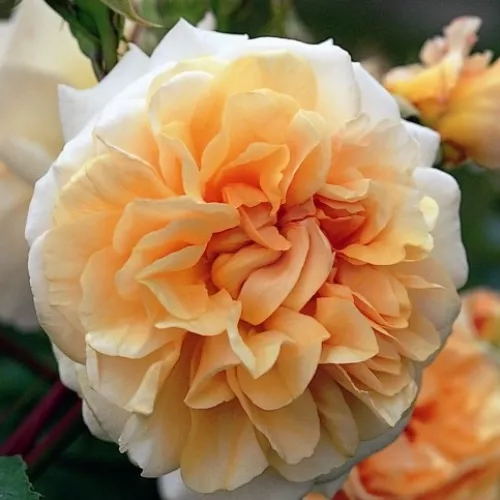
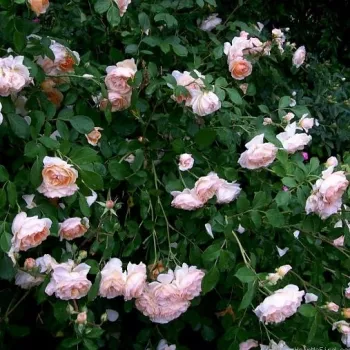
Step outside after a shower and let the soft apricot glow of ‘Pegasus’ wrap your garden in gentle light and easy-going charm. This English shrub rose by David Austin combines generous, rosette blooms with a strong, tea-scented fragrance that drifts on the air even in small Irish cottage gardens. Bred for medium care, it rewards simple pruning and feeding with reliable, remontant flowering through our shorter summers, even when days are cool and breezy with frequent rainfall and soft skies. The dense, barely prickly foliage and rounded, upright habit suit narrow Dublin front gardens as well as relaxed country borders, settling in steadily as roots, then shoots, then full garden presence build over the first three seasons.
Usage options
| Target area |
Reasoning |
| Cottage-style flowerbed near a path |
As a medium-maintenance shrub that repeats well, AUSmoon delivers long, remontant flowering from early summer to autumn, keeping a cottage-style border lively without constant fussing, ideal for those who enjoy colour but prefer straightforward care for beginners. |
| Standalone feature in a small lawn |
Its upright shrub habit and broad spread create a rounded, self-contained shape, so a single plant can act as a soft focal point in a small front lawn, offering structure in winter and a billow of apricot-yellow rosettes in summer for homeowners. |
| Informal flowering hedge |
Recommended hedge spacings allow AUSmoon to knit into a loose, romantic screen; dense foliage and repeat bloom provide privacy and long-lasting ornamental value along cottage boundaries with only periodic trimming needed by families. |
| Mixed border in heavy Irish garden soil |
Planted with good drainage and mulching, its own-root form establishes steadily in typical heavier Irish garden soils, coping reliably with our often damp, overcast conditions and gentle Atlantic winds for busy-gardeners. |
| Cutting patch for scented garden bouquets |
Large, very double, rosette blooms on cluster stems make generous cut flowers; the strong tea scent fills rooms, so a single shrub in a cutting corner can supply regular, perfumed stems through the season for fragrance-lovers. |
| Low-prickle rose area for children and pets |
With barely prickly shoots compared to many shrub roses, AUSmoon is easier to work around when deadheading or weeding, creating a friendlier play-space edge or front-of-border rose zone that still looks romantic for young-families. |
| Long-term feature in a settled family garden |
As an own-root rose, it rebuilds from its base if damaged and maintains stable ornamental value over many years, offering a durable, long-lived presence that matures gracefully with the rest of the garden for long-term-planners. |
| Wind-kissed, rain-washed Dublin front garden |
Medium disease resistance, resistant to powdery mildew and supported by simple, occasional plant protection means it keeps its leaves and bloom display even in cool, humid, rain-prone city streets, suiting low-input care for urban-owners. |
Styling ideas
- Cottage-Romantic – Underplant AUSmoon with catmint and soft geraniums for a frothy, long-flowering path edge – ideal for fragrance-lovers seeking classic cottage charm.
- Soft-Sunrise – Pair the apricot-yellow blooms with dusky pink foxgloves and cream lupins to create a gentle sunrise palette – for beginners who want easy drama.
- Grass-Glow – Weave AUSmoon between airy switchgrass and other light grasses to let the rosettes float in evening light – appealing to homeowners who like movement and texture.
- Front-Door-Welcome – Place one or two shrubs by the gate or front step, with low euonymus edging, to perfume the walk to your door – perfect for urban-owners wanting impact in small spaces.
- Cutting-Corner – Dedicate a sunny bed with AUSmoon and simple fillers like feverfew and lady’s mantle for easy, scented bouquets – suited to busy-gardeners who like to bring flowers indoors.
Technical cultivar profile
| Parameter |
Data |
| Name and registration |
Registered as AUSmoon, marketed as Pegasus (English Rose). Shrub rose in the romantic English style, approved exhibition name Pegasus; commercial group Rós rómánsúil for garden and cutting use. |
| Origin and breeding |
Bred by David C. H. Austin in the United Kingdom from cross ‘Graham Thomas’ × ‘Pascali’; selected 1994 and introduced commercially in 1995 through David Austin Roses Ltd. |
| Growth and structural characteristics |
Upright shrub habit, 120–170 cm high and 110–160 cm wide with dense, medium-green, slightly glossy foliage and very few prickles, forming a rounded, substantial garden presence over time. |
| Flower morphology |
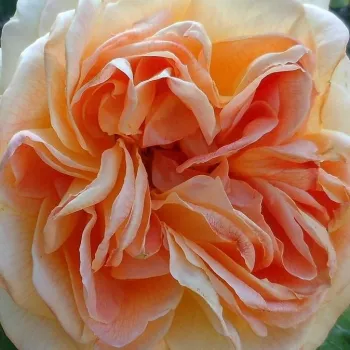
Large 7–10 cm rosette blooms, very double with over 40 petals, borne mainly in clusters; flowers self-clean poorly so benefit from regular deadheading to maintain a tidy, continuously flowering display. |
| Colour data and phenology |
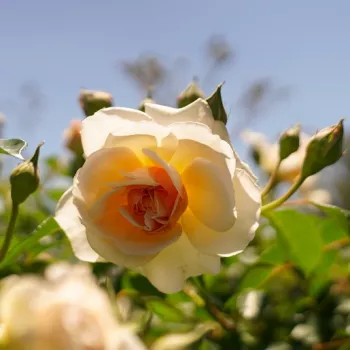
Outer petals pale cream-yellow, deepening inwards to apricot and peach-yellow tones; colour lightens in strong sun, with blooms gradually becoming creamier towards the edges as they age on the plant. |
| Fragrance and aroma |
Pronounced tea-scented rose fragrance, rich and classic in character; scent carries well in still air, making the shrub valuable for seating areas and for strongly perfumed cut flowers indoors. |
| Hip characteristics |
Rose-hip set is usually sparse; occasional small, ellipsoid orange-red hips 10–14 mm may develop, offering modest late-season interest but not a primary ornamental feature. |
| Resistance and winter hardiness |
Rated hardy to approximately −26 to −23 °C (RHS H7, USDA 5b, Swedish zone 4). Medium overall disease resistance; resistant to powdery mildew, with black spot and rust requiring occasional preventive care. |
| Horticultural recommendations |
Prefers a sunny site with well-drained soil; plant at 120–200 cm spacing depending on hedge or specimen use. Mulch annually, deadhead, and apply occasional plant protection; best in beds or large 40–50 litre containers. |
AUSmoon combines romantic, tea-scented blooms, repeat flowering, and a low-prickle shrub form with the resilience of an own-root rose, making it a thoughtful, long-term choice for your Irish garden.