Gertrude Jekyll – AUSbord English shrub rose on its own roots
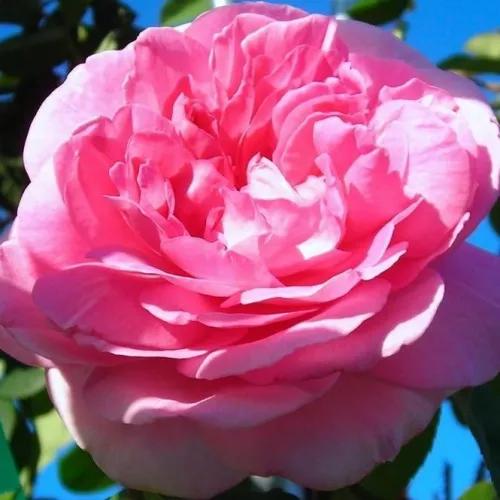
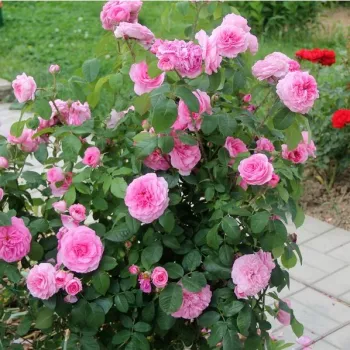
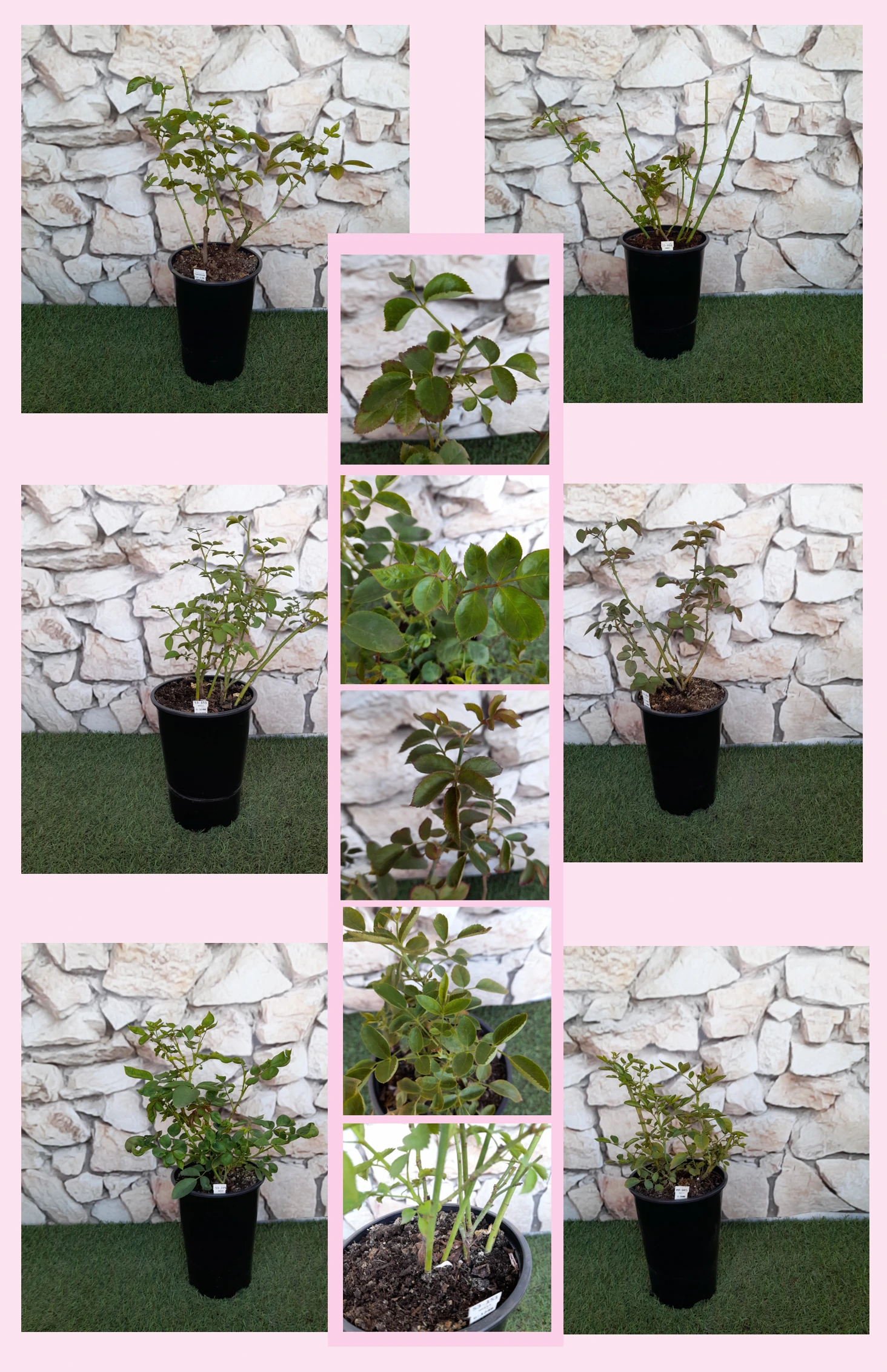
Step out to your front path after summer rain and you meet a fragrance so rich it seems to drift down the street: Gertrude Jekyll, one of David Austin’s most loved English roses, bringing an uplifting mood of bright pink rosettes and green, soft light. This own‑root shrub settles in steadily, with roots in the first year, stronger top growth in the second, and full, cottage‑garden character from the third – a reassuringly long‑lived choice for busy households. Its generous, XL blooms repeat through the short Irish summer, even when days are cool and damp, offering a dependable flush for your front garden or a “girly” border by the door. Medium care and simple deadheading are quickly rewarded with more flowers, while its dense, upright habit suits smaller plots and terraced gardens. You gain the romance of classic old‑rose bloom, the trust of world‑favourite awards, and the quiet relief of a rose designed for real‑life gardens.
Usage options
| Target area |
Reasoning |
| Cottage-style front garden focal shrub |
The XL, richly layered rosette blooms and extremely strong scent give instant cottage-garden character beside a gate, path or doorstep without needing complex pruning; occasional deadheading keeps it smart enough for those who enjoy a romantic look, beginners. |
| Short flowering hedge along a boundary |
Its upright, 100–150 cm habit and dense, dark foliage form a scented pink hedge when planted at 70 cm spacing, adding privacy and colour along a drive or low wall, for gardeners wanting structure with moderate upkeep, homeowners. |
| Specimen rose in a small lawn or gravel bed |
Planted singly at about 140 cm spacing, it creates a strong vertical accent with repeat flowering and a far‑carried perfume that marks the seasons in an average‑sized family garden, appealing to those who like one standout plant, stylists. |
| Mixed romantic border with perennials |
Gertrude Jekyll partners beautifully with airy perennials such as coneflowers or white blazing star, its stable, own‑root framework returning reliably each year and supporting soft, layered planting plans, ideal for relaxed border planners, designers. |
| Cut-flower source near the house |
The long, straight stems and very double, rosette flowers give generous, strongly scented bunches for the kitchen table; cutting encourages new shoots and a good repeat flush, suiting those who enjoy homegrown bouquets, flower-lovers. |
| Part-shade side return or north-east aspect |
Suitable for partial shade, it still produces strongly scented blooms where morning sun and bright shade dominate, making use of tricky side passages or overlooked spots for people maximising every corner of a small plot, urbanites. |
| Weather-tolerant feature in exposed gardens |
In areas where frequent rain and cool air are normal, its repeat-flowering habit and good colour retention help it perform steadily even when summers are short and unsettled, suiting those gardening near the Atlantic fringe, coast-dwellers. |
| Large container on terrace or paved front |
In a 40–50 litre pot with good drainage and mulch, this own‑root rose builds a durable framework over several years, staying ornamental even if cut back harder after weather damage, perfect for low‑fuss, paved‑space gardeners, balcony-owners. |
Styling ideas
- Cottage-Path Welcome – Line a short front path with Gertrude Jekyll and soft grasses, letting the intense scent greet visitors – ideal for those wanting a storybook Irish cottage feel.
- Romantic-Hedge Ribbon – Plant a low, pink hedge under a picket fence, weaving in white perennials for all-summer charm – for families who like gentle structure without formality.
- Terrace-Statement Pot – Use a single rose in a 50 litre clay pot beside the front step, underplanted with trailing thyme – for busy owners wanting impact from one easy container.
- Pastel-Mixed Border – Combine with coneflowers and white blazing star for a layered, bee-friendly feel, keeping the rose as the solid backdrop – for gardeners who enjoy soft, romantic borders.
- Perfumed-Cut Corner – Dedicate a small bed to a trio of shrubs for plentiful, long-stemmed, fragrant blooms – for those who love filling jugs indoors from their own garden.
Technical cultivar profile
| Parameter |
Data |
| Name and registration |
Gertrude Jekyll (AUSbord), English shrub rose from the English Rose Collection, registered AUSbord; trade names include Ausbord English Rose AUSbord, exhibition category shrub rose. |
| Origin and breeding |
Bred by David C. H. Austin, UK, from ‘Wife of Bath’ × ‘Comte de Chambord’; introduced by David Austin Roses in 1986, with 1990 US plant patent registration as PP7220. |
| Awards and recognition |
RHS Award of Garden Merit (1994), RNRS James Mason Award (2002), RHS People’s Vote Nation’s Favourite Rose (2012), WFRS World’s Favourite Rose (2025), widely regarded as a modern classic. |
| Growth and structural characteristics |
Upright shrub 100–150 cm high and 80–130 cm wide, densely thorned with dark, slightly glossy foliage; spent blooms may remain, so light deadheading maintains appearance and encourages repeat flowering. |
| Flower morphology |
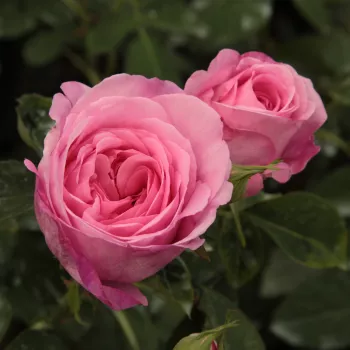
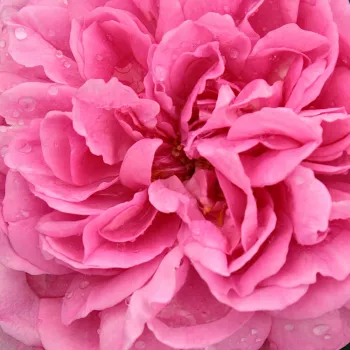
Very double, XL rosette blooms 10 cm+ borne mainly singly on stems, with 40+ petals; remontant, giving a strong first flush followed by abundant repeat flowering in suitable conditions. |
| Colour data and phenology |
Bright, clear mid‑pink (RHS 57B outer, 57C inner), deep pink buds with satin sheen; colour lightens slightly in strong sun, remaining vivid in cool weather and fading softly with paler petal edges as flowers age. |
| Fragrance and aroma |
Extremely strong, far‑carried old‑rose scent of classic character, often noted even at some distance from the plant; particularly valued for perfume gardens and as a source of scented cut flowers near seating areas. |
| Hip characteristics |
Rosehip set is generally sparse because of the very double flower form; when present, hips are small, spherical, 8–14 mm in diameter, coloured orange‑red and of minor ornamental significance compared with the blooms. |
| Resistance and winter hardiness |
Hardy to about −26 to −23 °C (RHS H7, USDA 5b); black spot resistant with moderate susceptibility to powdery mildew and rust; appreciates regular watering in dry spells and a balanced feeding regime. |
| Horticultural recommendations |
Use as specimen, hedge, bed or cut‑flower shrub; space 80 cm in beds, 70 cm in hedges, 140 cm as specimen; suitable for partial shade; for containers, choose 40–50 L volume with free‑draining, fertile soil. |
Gertrude Jekyll (AUSbord) offers sumptuous fragrance, repeat flowering and a resilient own-root framework that matures gracefully over the years, making it a thoughtful choice for Irish gardens seeking lasting romance and ease.