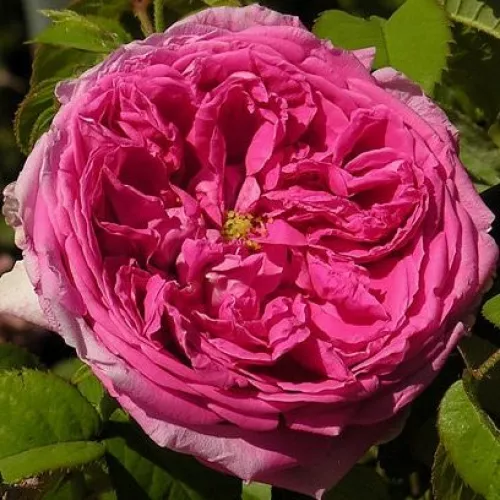
AURELIA LIFFA – pink historic old garden rose – Geschwind
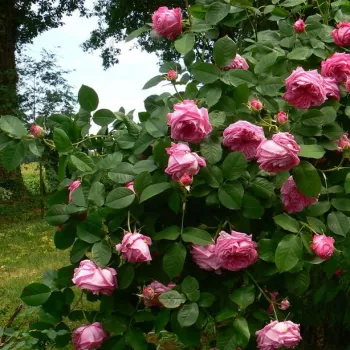
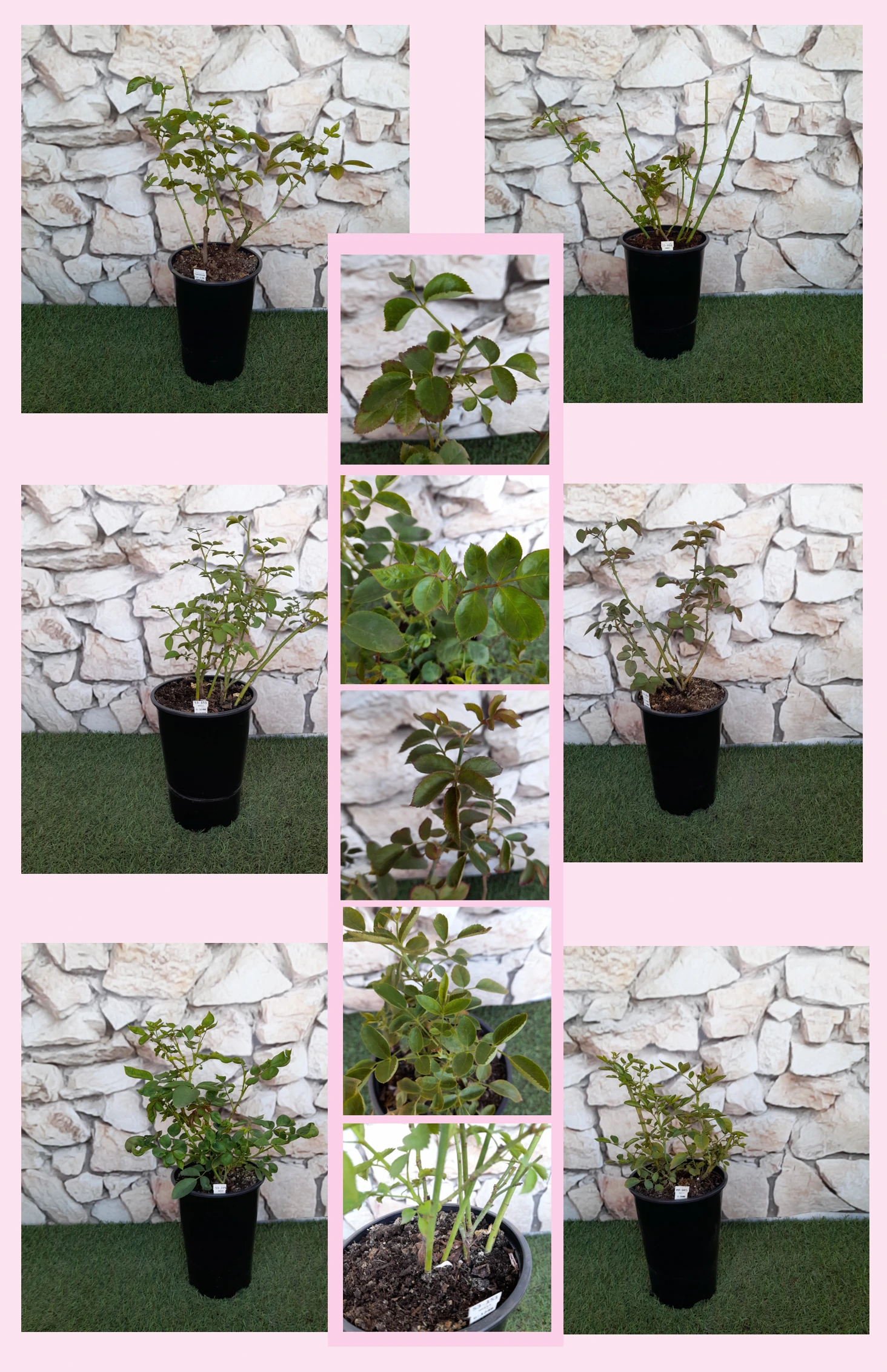
Step out to gentle summer raindrops and meet Aurelia Liffa, a tall, romantic climber that washes your garden in cottage charm and classic old-rose fragrance. This once-flowering historic rose smothers fences, pergolas and Dublin terrace fronts in generous, richly textured rosettes, creating a curtain of deep pink blooms in early summer. Own-root planting supports a quietly enduring structure, so after the natural rhythm of year-one roots, year-two shoots, year-three full display, you can enjoy stable beauty for decades with simple seasonal care. Well suited to Ireland’s breezy, rainy climate and the need for good drainage on heavier soils, its dense foliage and arching contours bring soft green light and a sense of romance to family gardens and intimate front plots alike.
Usage options
| Target area |
Reasoning |
| Climbing rose for pergolas and arches |
Aurelia Liffa’s tall, climbing habit and long, flexible canes are ideal for training over pergolas, arches and arbours, where its once-a-year, abundant flowering creates a dramatic seasonal focal point for romantic gardeners. |
| Cottage-style boundary or fence cover |
The dense foliage and arching growth quickly soften hard boundaries, giving classic cottage character to fences and walls while providing reliable long-term structure from its own-root longevity for traditional-style homeowners. |
| Statement feature in a small front garden |
Placed as a solitary climber near the entrance, its richly textured, very full blooms and dark green leaves create instant kerb appeal and a sense of arrival well suited to Dublin terraced-house fronts for design-conscious residents. |
| Fragrant summer seating-area backdrop |
The strong, lasting old-rose scent is perfect beside a bench or patio, where the early-summer flush surrounds evening seating with perfume and colour, enhancing quiet outdoor moments for scent-loving visitors. |
| Historic-rose and heritage planting schemes |
As an 1886 Geschwind hybrid, this variety fits beautifully into heritage or period-style gardens, offering a living link to old garden roses while forming enduring woody framework on its own roots for rose enthusiasts. |
| Soft screening between neighbouring properties |
Its tall height and broad spread allow you to create a gently romantic screen along property lines; with good drainage on heavier clay and regular pruning, it builds a dependable green curtain for privacy-seeking families. |
| Partially shaded wall-trained climber |
Suitable for partial shade, it performs well on east- or north-east-facing walls where many roses struggle, extending your planting options around typical Irish homes for space-limited gardeners. |
| Large container on terrace or balcony (advanced gardeners) |
In a very large container of at least 40–50 litres with support, attentive feeding and protection, its long canes and romantic flowers can be enjoyed where soil access is limited, though with higher care needs for experienced growers. |
Styling ideas
- Cottage-Archway – Train Aurelia Liffa over a wooden arch, underplant with Brunnera macrophylla and spring bulbs for a soft, storybook entrance – ideal for cottage-style front-garden owners.
- Victorian-Facade – Fan-train it against brick, pairing with Clematis 'Jackmanii' to weave purple through the pink rosettes – perfect for period-townhouse and terraced-home gardeners.
- Romantic-Pergola – Cover a seating pergola, adding clematis 'Amber' for contrasting apricot tones and evening scent layers – suited to fragrance-focused homeowners.
- Green-Screen – Use as a loose, flowering screen along a boundary, combining with hardy shrubs and ornamental grasses for year-round structure – recommended for privacy-seeking families.
- Heritage-Corner – Create a historic rose corner with companion perennials and antique-style pots, letting Aurelia Liffa climb an obelisk or tall tripod – appealing to collectors and history-minded gardeners.
Technical cultivar profile
| Characteristic |
Data |
| Name and registration |
Trade name Aurelia Liffa Historic rose Geschwind; old garden rose, Hybrid Macrantha / Hybrid Setigera group; ARS exhibition name Aurelia Liffa; unregistered, historic cultivar. |
| Origin and breeding |
Bred by Rudolf Geschwind in Hungary around 1885 from Rosa setigera × ‘Marie Baumann’; introduced 1886 as a vigorous climbing historic rose with strong old-rose character. |
| Growth and structural characteristics |
Climbing habit, 280–420 cm high, 200–300 cm spread; dense dark green slightly glossy foliage; canes strongly thorned; forms substantial woody framework over time when grown on own roots. |
| Flower morphology |
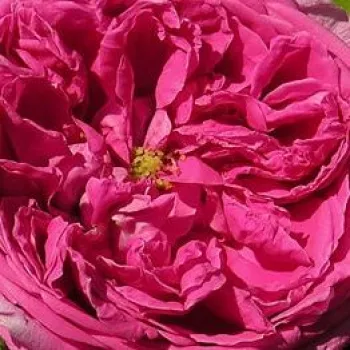
Large, very full rosette blooms, 7–10 cm across, 40+ petals, borne in clusters; once-flowering with an impressive early-summer flush; moderate self-cleaning, some spent blooms may remain. |
| Colour data and phenology |
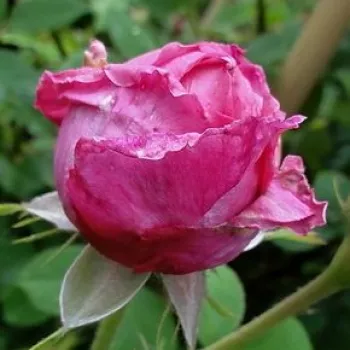
Deep vivid pink with subtle purplish base tone; buds scarlet, opening to carmine-red centres; colour may deepen then lighten with a slight purplish cast in strong sun; moderate colour retention. |
| Fragrance and aroma |
Strong, long-lasting fragrance with classic old-rose character, best appreciated near paths or seating; heavy petal count prioritises ornamental value over nectar access for visiting insects. |
| Hip characteristics |
Hip set generally low due to very double blooms; occasionally forms small, bright red spherical hips about 10–14 mm across, offering a light late-season decorative accent on mature plants. |
| Resistance and winter hardiness |
Very hardy to around −32 to −29 °C (USDA 4b, RHS H7); moderate heat tolerance but dislikes prolonged drought; disease resistance modest, with susceptibility to rust and some mildew and black spot. |
| Horticultural recommendations |
Best on well-drained soil; water regularly in dry spells; suitable for pergolas, arches, walls and solitary use; needs structured pruning and plant protection, especially in humid, high-disease-pressure seasons. |
Aurelia Liffa rewards you with romantic summer arches of strongly scented pink blooms, enduring long-term structure from its own-root growth, and a historic character that suits thoughtful gardeners looking to invest in a lasting feature.