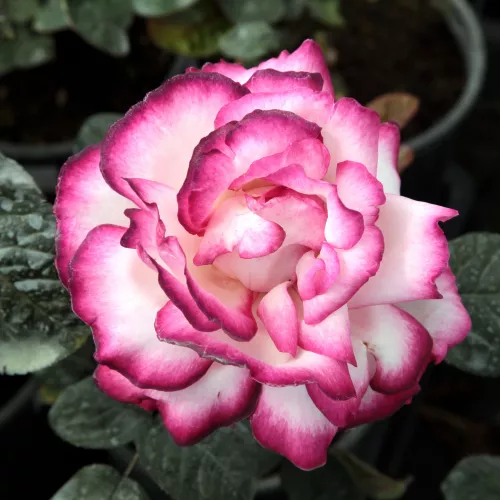
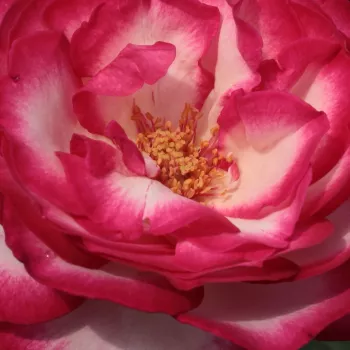
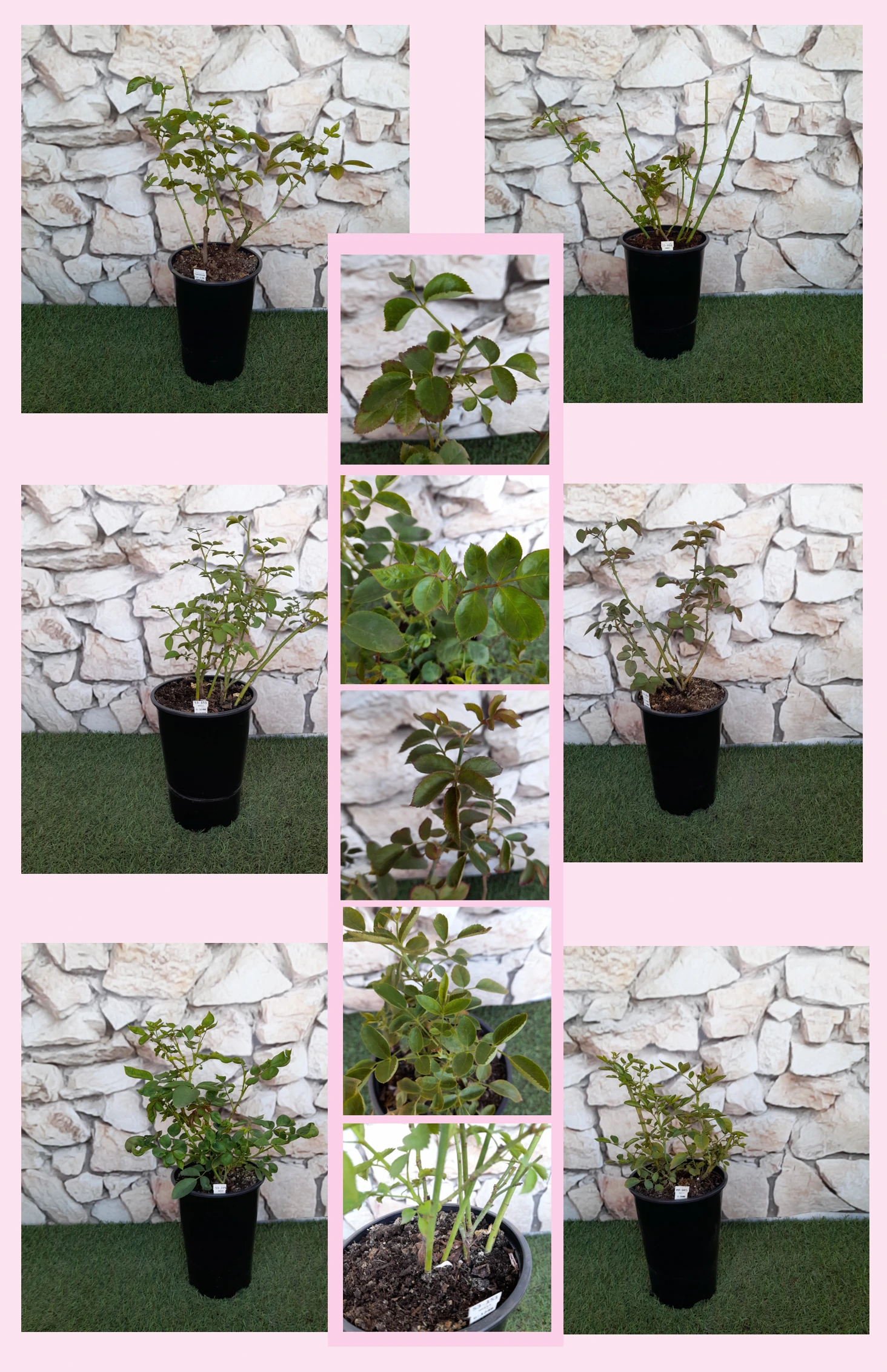
ATLAS™ – white-pink hybrid tea rose – own-root 2-litre pot
Step out to your front path after rain and you can almost feel ATLAS™ catching the soft light – large, two‑tone blooms glowing pink against glossy foliage, perfectly at ease with Irish weather and everyday family life. This hybrid tea offers generous repeat flowering and a mild, classic rose perfume that suits a small cottage plot or a neat Dublin terrace. Its semi‑double flowers open wide enough to tempt visiting bees, yet still look elegant in a vase. As an own‑root plant it builds long‑term stability, quietly renewing itself for years with minimal effort, ideal when you prefer relaxed gardening to constant fuss. Well‑drained soil and light mulch help it settle, and in your first three seasons you will see roots establish, then strong new shoots, and finally full, lasting impact.
Usage options
| Target area | Reasoning |
|---|
| Cottage-style front border beside a path |
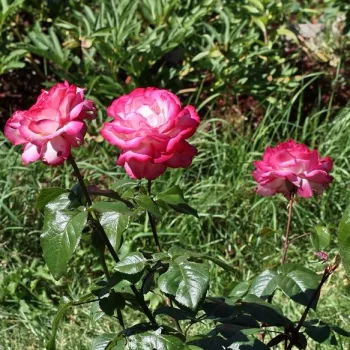
Planted 60 cm from the edge, ATLAS™ works beautifully as a single specimen, its upright habit and large flowers giving classic hybrid tea presence without dominating a small front garden border; low maintenance suits busy homeowners and relaxed beginners. |
| Mixed rose bed in a family back garden |
The repeat-flowering habit keeps colour returning through our short Irish summer, so children and guests see blooms for months rather than weeks, while its semi-double flowers offer moderate interest to bees in a pollinator-aware mixed rose bed for families. |
| Cutting corner for home bouquets |
Atlas produces long, straight stems with large, cupped blooms, ideal for cutting a few stems for the kitchen table without stripping the bush bare; the flowers hold their shape well in water, rewarding those who enjoy simple home arrangements for hosts. |
| Low, formal front hedge |
At 35–40 cm spacing, a short line of plants forms a tidy, upright flowering hedge that frames a path or drive, with dense dark green foliage providing structure even between flushes, ideal for homeowners wanting order with little clipping for neighbours. |
| Compact feature in a large patio container |
In a 40–50 litre pot with good drainage, Atlas becomes a manageable patio feature, bringing colour and light fragrance close to the door; own-root resilience means it copes better with occasional neglect, perfect for urban dwellers and balcony gardeners. |
| Rain-tolerant accent in exposed gardens |
The dense foliage and resilient blooms cope well with frequent showers and breezy conditions, ideal where gardens are open to moist Atlantic air and regular rainfall, reducing the need for constant deadheading in weather-beaten plots for coastal owners. |
| Low-care focal point in sustainable planting |
Strong resistance to black spot, mildew and rust reduces spraying and fuss, so Atlas fits neatly into low-input, environmentally minded gardens, offering long-lived structure and flowers without high maintenance, appealing to eco-conscious home gardeners. |
| Long-term anchor plant in a small bed redesign |
As an own-root rose it is less prone to decline, gradually building a robust framework that suits a three-year garden refresh plan, making it a reliable anchor among perennials and grasses for thoughtful but time-pressed home planners. |
Styling ideas
- Cottage-Romantic – Underplant Atlas with lavender and catmint to soften the path edge and echo its pink tones – ideal for cottage-garden lovers seeking relaxed summer borders.
- Terrace-Chic – Use a single Atlas in a tall charcoal pot with Hakonechloa macra spilling over the rim – perfect for Dublin terraces aiming for simple, modern elegance.
- Family-Friendly – Combine Atlas with hardy geraniums and low box edging to frame a lawn – suited to families wanting colour, structure and easy care.
- Evening-Glow – Pair with pale foxgloves and white campanulas so the bicoloured blooms stand out in soft evening light – great for homeowners who enjoy after-work garden strolls.
- Sustainable-Structure – Mix Atlas with Cornus kousa and ornamental grasses for a long-lived, low-input scheme – attractive to eco-minded gardeners planning for the long term.
Technical cultivar profile
| Characteristic | Data |
|---|
| Name and registration |
Hybrid tea rose, registered as DELkort, marketed as Atlas™ Hybrid tea rose DELkort; classic exhibition-type blooms suited to both garden display and home cutting. |
| Origin and breeding |
Bred by André Delbard-Chabert in France from 'Chic Parisien' × 'Provence'; introduced and registered in 1966 by Georges Delbard SA, reflecting traditional French hybrid tea breeding. |
| Growth and structural characteristics |
Upright shrub, about 70–95 cm high and 45–65 cm wide; moderately prickly stems with dense, glossy, dark green foliage providing good garden structure in small to medium beds. |
| Flower morphology |
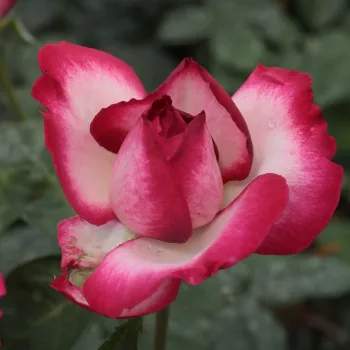
Semi-double, cupped blooms with 13–25 petals and slightly ruffled edges; large flowers 7–10 cm borne singly on stems, offering classic hybrid tea form with good visibility in the border. |
| Colour data and phenology |
White-based petals edged vivid pink, deepening to ruby with a violet tinge; bicolour intensifies as blooms age, with good colour retention and no major fading reported in strong sunlight. |
| Fragrance and aroma |
Delicate, mild rose scent with a discreet, classic character; enough fragrance for close enjoyment on a terrace or patio without overwhelming nearby seating or small outdoor spaces. |
| Hip characteristics |
Forms moderate quantities of small, spherical hips, around 7–10 mm, orange-red when ripe; decorative in autumn, adding seasonal interest if spent flowers are not removed. |
| Resistance and winter hardiness |
Good overall disease resistance, rated resistant to black spot, powdery mildew and rust; reliably hardy to approximately −21 to −18 °C (USDA zone 6b, RHS H7, Swedish zone 3). |
| Horticultural recommendations |
Suitable for borders, low hedging, specimen planting and cutting; space 35–60 cm depending on use, in well-drained soil, with low maintenance needs and generally little intervention required. |
ATLAS™ – white-pink hybrid tea rose - Delbard-Chabert offers repeat flowering, disease resistance and long-lived own-root reliability, making it a thoughtful choice for easy-going Irish gardens.