ASCHERMITTWOCH – white-lilac shaded climbing rose - Kordes
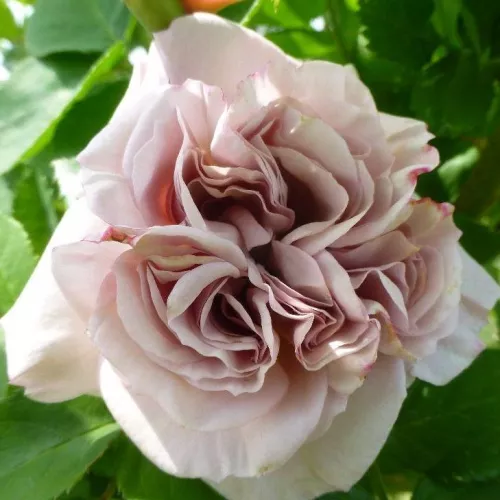
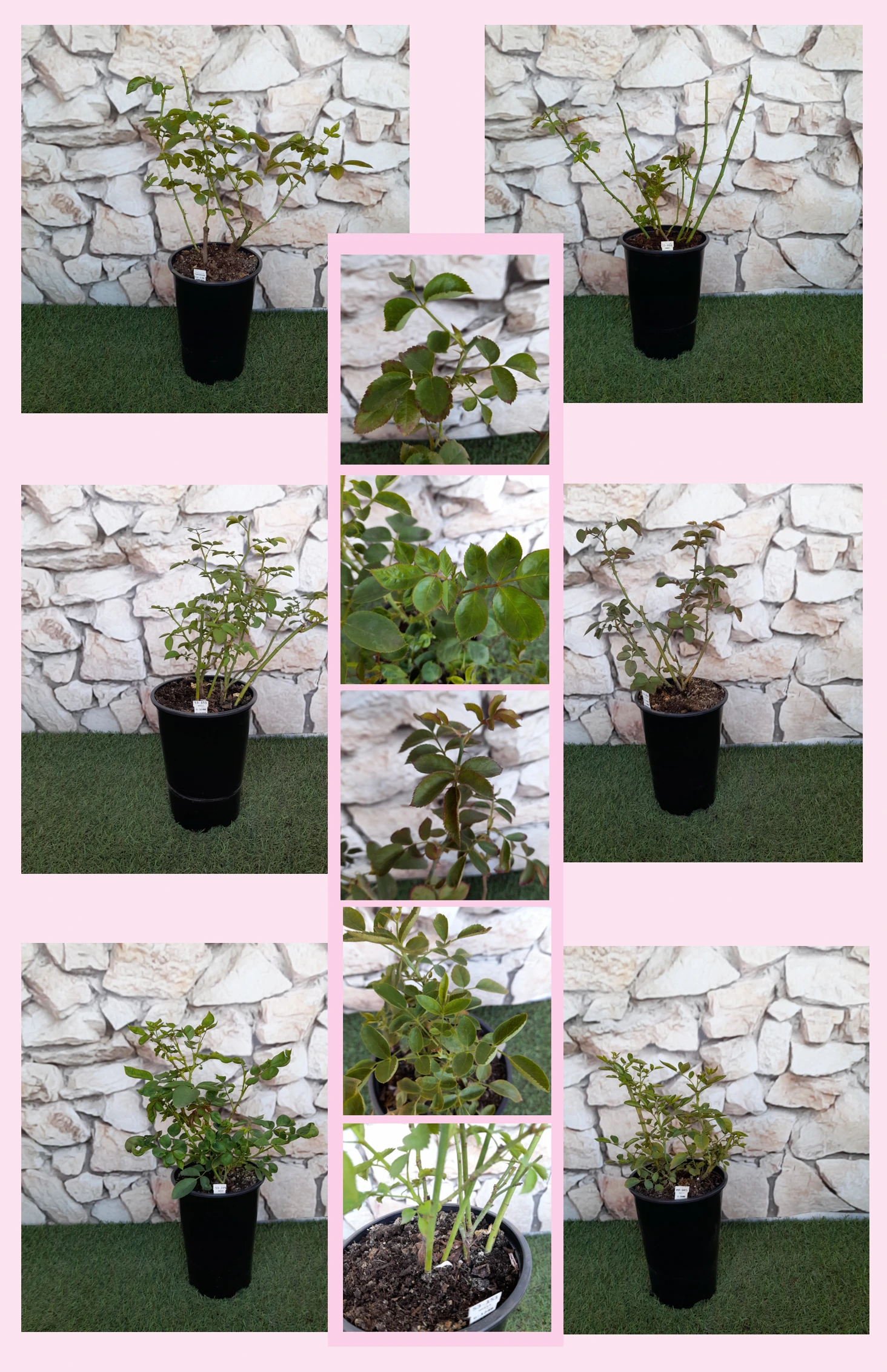
If You love romantic climbing roses but prefer effortless care, ASCHERMITTWOCH offers tall, graceful coverage with surprisingly manageable upkeep. Its semi-double blooms in a cool, smoky white-lilac tone feel quietly romantic, especially against old brick or a painted Dublin terrace wall, while the medium, clearly scented perfume stays gentle and soothing. Planted in a sunny, well-drained spot that copes with frequent Irish showers and humidity, it will repeat flower through the short summer, giving soft colour and light shade where Your family walks and plays. Own-root planting means a reassuringly long life, steady regrowth after pruning and storms, and dependable stability even if canes are damaged. Over time the plant settles deeply: in the first year it focuses on roots, in the second on stronger shoots, and by the third it reveals its full cottage-garden presence along fences, pergolas and house fronts.
Usage options
| Target area |
Reasoning |
| Front-garden climber for Dublin terraces |
Trains neatly on railings or trellis without demanding complex pruning, giving an elegant, upright curtain of silver‑grey, lilac‑tinted blooms. Ideal where space is narrow but height is available, suiting beginners, busy urban gardeners |
| Irish cottage-garden pergola or arch |
Long, climbing canes and medium maintenance needs suit relaxed cottage structures, with repeat flushes of soft, smoky flowers and fragrance along the overhead frame, perfect for informal, flower‑rich gardens and romantic cottage owners |
| Family garden boundary fence |
Covers 180–300 cm in width and up to 5 m in height, creating privacy and a gentle backdrop without constant attention; own‑root growth keeps the structure reliable and long‑lived for practical, low‑fuss screening for family‑focused homeowners |
| Feature rose on a sunny house wall |
Best in a bright, sheltered position where the subtle grey‑lilac tones and medium scent can be appreciated near doors or windows, with only occasional deadheading and tying‑in, well suited to fragrance‑loving but time‑poor home gardeners |
| Simple, regenerating specimen on its own roots |
Own‑root planting supports decades of steady regrowth, even after hard pruning or weather damage, maintaining ornamental value without complex graft care, a reassuring choice for long‑term, low‑risk planting for beginner rose owners |
| Season-long colour under soft Irish light |
Remontant flowering provides several waves of bloom through the Irish season, even when summers are short, keeping garden interest going between other perennials and shrubs for colour‑seeking hobby gardeners |
| Lightly scented seating-area backdrop |
Medium, clearly noticeable fragrance creates a gentle atmosphere near patios without overwhelming small spaces; semi‑double flowers offer moderate pollinator interest, ideal for relaxed evening corners for nature‑oriented neighbours |
| Practical choice for damp, Atlantic-influenced plots |
Performs reliably in gardens that see regular rain and high air moisture, while good preparation and drainage help manage fungal pressure and keep foliage attractive for less‑technical, reassurance‑seeking Irish climate gardeners |
Styling ideas
- Cottage‑porch welcome – Train along a simple wooden porch with Ajuga and Mexican daisy at the base for a soft, silver‑and‑lilac entrance – ideal for cottage‑style, fragrance‑loving homeowners
- Terrace trellis veil – Use a narrow trellis on a Dublin front wall, underplanted with low Gypsophila repens for airy, easy‑care charm – perfect for busy city gardeners
- Family fence softener – Let it cloak a back‑garden fence, combined with tough perennials to reduce maintenance while adding height and privacy – suited to practical family gardens
- Romantic pergola run – Alternate this rose with other repeat‑flowering climbers over a pergola to extend the season with subtle scent – great for evening seating areas
- Own‑root legacy corner – Give it a sunny corner with deep soil, where its long‑lived own‑root framework can mature into a permanent feature – appealing to long‑term planners
Technical cultivar profile
| Attribute |
Data |
| Name and registration |
ASCHERMITTWOCH – white-lilac shaded climbing rose; large-flowered climber, exhibition climber; trade name Aschermittwoch Climbing rose Kordes; unregistered cultivar commonly known by its German name. |
| Origin and breeding |
Bred by Reimer Kordes, W. Kordes’ Söhne, Germany; introduced 1955. Parentage: Rosa rubiginosa-hybrid × ‘Ballet’ and Rosa rubiginosa-hybrid × ‘Fashion’, combining vigour, distinctive colour and climbing habit. |
| Growth and structural characteristics |
Strong climbing growth, typically 360–540 cm high and 180–300 cm wide with dense, matt green foliage and abundant prickles; weak self‑cleaning so spent blooms may need removal for best appearance. |
| Flower morphology |
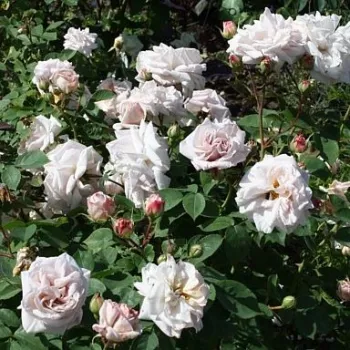
Large, 7–10 cm semi‑double, cupped flowers in clusters, with 13–25 petals; remontant with a main flush then lighter repeat; suitable for cutting when half open to appreciate form and colour nuances. |
| Colour data and phenology |
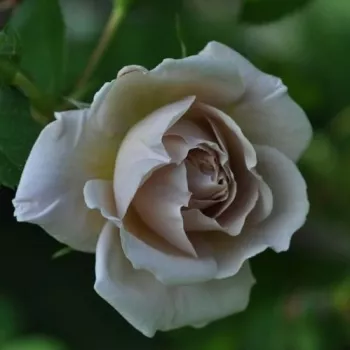
Bud silvery grey‑lilac; freshly opened ash‑grey lilac with mocha hint; full bloom silver‑grey with lavender tint, fading in strong sun; RHS 155C outer, 183D inner; best colour in cooler, softer light. |
| Fragrance and aroma |
Medium-strength, clearly noticeable scent with a soft, delicate character; perceptible at close distance along paths or seating; suitable for gardeners who enjoy fragrance without an overpowering perfume. |
| Hip characteristics |
Occasional spherical orange hips, 14–22 mm in diameter, may form after flowering; not heavily produced due to semi‑double blooms but can add subtle seasonal interest in late season if left unpruned. |
| Resistance and winter hardiness |
Hardy to around −21 to −18 °C (H7, USDA 6b, Swedish zone 3); moderate disease resistance with black spot resistance but some susceptibility to mildew and rust; moderate drought tolerance with watering in heat. |
| Horticultural recommendations |
Best in sunny sites with well‑drained soil; prefers regular deadheading and tying‑in. Plant 145–265 cm apart depending on use; suitable for fences, pergolas, walls and specimen use; large containers 40–50 L minimum. |
ASCHERMITTWOCH gives romantic smoky white-lilac blooms, medium fragrance and steady repeat flowering on a long-lived, regenerating own-root framework; a thoughtful choice if You want enduring height and character with manageable care.