APRIKOLA® – peach-orange bedding floribunda rose
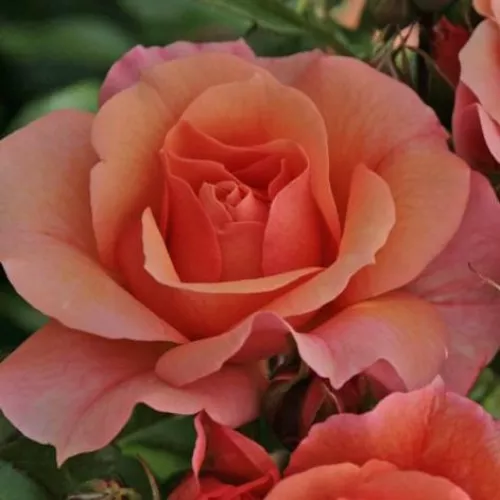
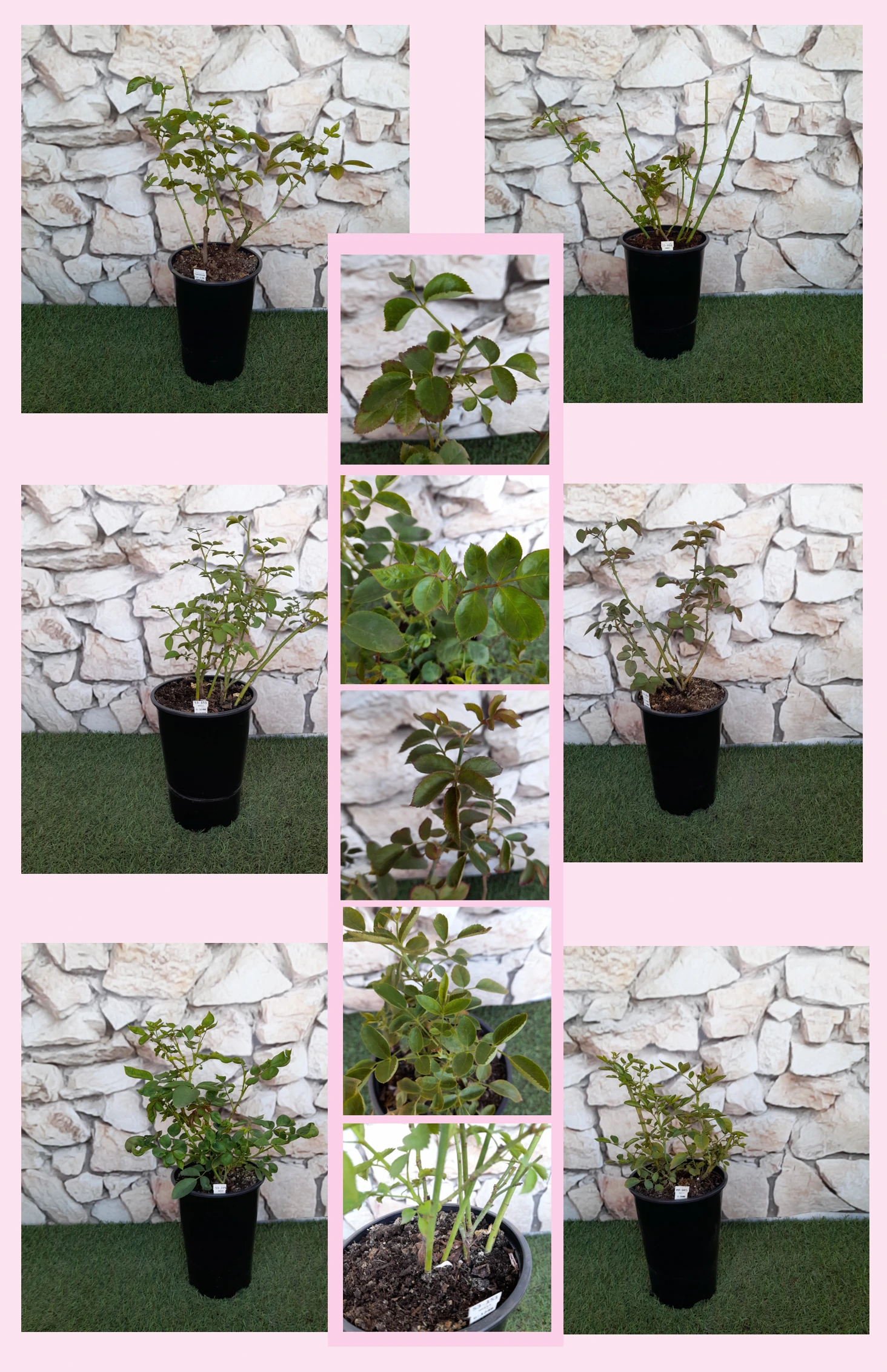
Step outside for a moment with Aprikola and you get that gentle “soft rain on foliage” feeling – a low‑fuss, compact floribunda that simply gets on with flowering. Its warm peach-orange clusters sit on neat, upright growth, creating a cheerful cottage‑garden look that also suits small Dublin front gardens. Semi‑double, self‑cleaning blooms mean little deadheading and tidy beds, while the mild, fruity fragrance adds a light freshness without overwhelming a seating area. Own‑root plants settle steadily, building a reliable structure for a truly long‑lived display and recovering well if cut back hard. In our damp Irish climate it copes dependably with breezy, rainy conditions and typical heavy soil once drainage is helped a little against waterlogging. Give it a sunny, reasonably open position and within a few seasons you see the natural progression from establishing roots, to stronger shoots, to a full show of colour.
Usage options
| Target area |
Reasoning |
| Front garden bed beside the path |
The upright, compact habit and dense, glossy foliage create a neat outline along a path or driveway, with peach-orange clusters brightening everyday comings and goings. Good self-cleaning means fewer spent blooms to pick up – ideal for busy homeowners. |
| Mixed cottage-style border |
Soft peachy-orange flowers blend easily with perennials and grasses, giving a relaxed, “girly” cottage feel without looking fussy. The remontant flowering keeps colour coming back between perennials’ main flushes – perfect for romantic gardeners. |
| Low informal flowering hedge |
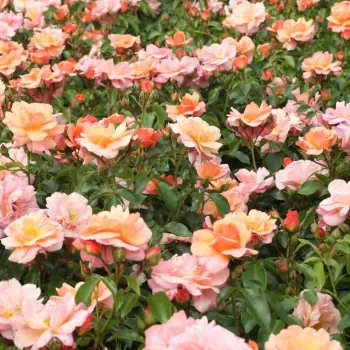
Regular, upright growth and recommended 35–40 cm spacing allow you to compose a low hedge that reads as one flowing band of colour. Own-root plants develop a durable base that responds well to periodic renewal pruning – reassuring for long-term planners. |
| Small family lawn island bed |
Planted as a small group, Aprikola® forms a rounded, eye-catching focal point that looks good from all sides. The semi-double flowers add movement and light without dominating play space – appealing for family gardeners. |
| Roses in large containers on patio or terrace |
In a 40–50 litre pot with good drainage, its compact, upright habit suits doorsteps and patios, offering colour near seating areas. Own-root vigour supports recovery if the top growth is nipped by wind or an occasional lapse in watering – helpful for urban balcony owners. |
| Beds in exposed, rainy or coastal-prone gardens |
Where gardens are open to wind and frequent showers, this variety’s sturdy structure, good heat tolerance and reliable repeat flowering give steady performance. It manages cool, unsettled summers with dependable blooms – reassuring for Atlantic-climate gardeners. |
| Urban front gardens with limited maintenance time |
Its self-cleaning flowers and moderate maintenance needs keep the display respectable with only seasonal pruning and basic feeding. The steady own-root framework supports years of colour without constant intervention – attractive for time-poor beginners. |
| Informal wildlife-friendly planting |
The semi-double blooms offer moderate pollinator interest in season, while the small orange-red hips add autumn structure and food for birds. Long flowering and hip display extend the garden’s usefulness to wildlife – appreciated by nature-focused owners. |
Styling ideas
- COTTAGE SWIRL – weave Aprikola® through drifts of pink verbenas and airy grasses for a soft, storybook path edge – for romantic cottage-garden fans.
- PEACH RIBBON – line a front boundary with a loose hedge, underplanting with low catmint for a scented, easy-care welcome – for neat-but-natural homeowners.
- WARM TERRACE – plant one rose per 50 litre pot with gravel mulch and thyme at the rim for colour and aroma around seating – for city balcony and patio users.
- SOFT CONTRAST – mix with blue California lilac and pale foxgloves in a mixed border to make the peach-orange flowers glow – for colour-conscious border planners.
- AUTUMN NOTES – group three plants with Helichrysum and ornamental grasses so late blooms and hips carry interest into autumn – for year-round structure seekers.
Technical cultivar profile
| Parameter |
Data |
| Name and registration |
Floribunda shrub rose, registered as KORorbe, marketed as Aprikola® within the RigoRosen® collection; commercial bedding type suitable for mass planting and small garden schemes. |
| Origin and breeding |
Bred by W. Kordes’ Söhne in Germany from Bernstein-Rose® × unknown seedling; introduced in 2000 after registration around 1999 as a robust, floriferous garden rose. |
| Awards and recognition |
Holds the ADR 2001 award, indicating strong all-round garden performance under no-spray trial conditions, with emphasis on growth quality, flowering abundance and general health. |
| Growth and structural characteristics |
Upright, compact shrub reaching about 60–85 cm high and 50–70 cm across, with dense, mid-green, glossy foliage and moderate thorns, forming a tidy, bushy outline in beds. |
| Flower morphology |
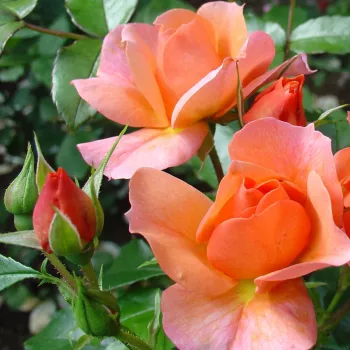
Semi-double, medium-sized 4–7 cm flowers carried in clusters on short stems; petal count typically 13–25, cup-shaped then flat-opening, with good self-cleaning of spent blooms. |
| Colour data and phenology |
Warm peach-orange tonality, ARS code OB, RHS 24A–24C; buds deep peach-orange, fading gradually towards pinkish tones in strong sun, with remontant, plentiful second flushes. |
| Fragrance and aroma |
Light, fresh, fruity fragrance best appreciated at close range in still air; subtle enough for seating areas, adding gentle scent without overwhelming nearby plants or spaces. |
| Hip characteristics |
Produces small spherical orange-red hips, about 7–10 mm in diameter, in moderate quantities, adding late-season colour and some informal wildlife interest after flowering. |
| Resistance and winter hardiness |
Hardy to about −26 to −23 °C (RHS H7, USDA 5b, Swedish zone 4); moderate resistance to black spot and mildew, good rust resistance, with reliable heat and drought tolerance. |
| Horticultural recommendations |
Best in sunny, well-drained beds with improved heavy soil; space 40–65 cm depending on use, mulch annually, and prune moderately each winter to renew flowering wood. |
APRIKOLA® offers compact, repeat flowering in warm peach-orange tones, tidy self-cleaning clusters and long-lived own-root reliability, making it a thoughtful choice for easy-going Irish family gardens.