APRICOT SILK – apricot tea-hybrid rose - Gregory
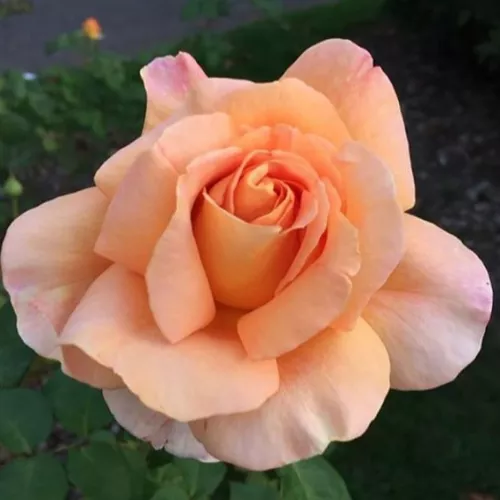
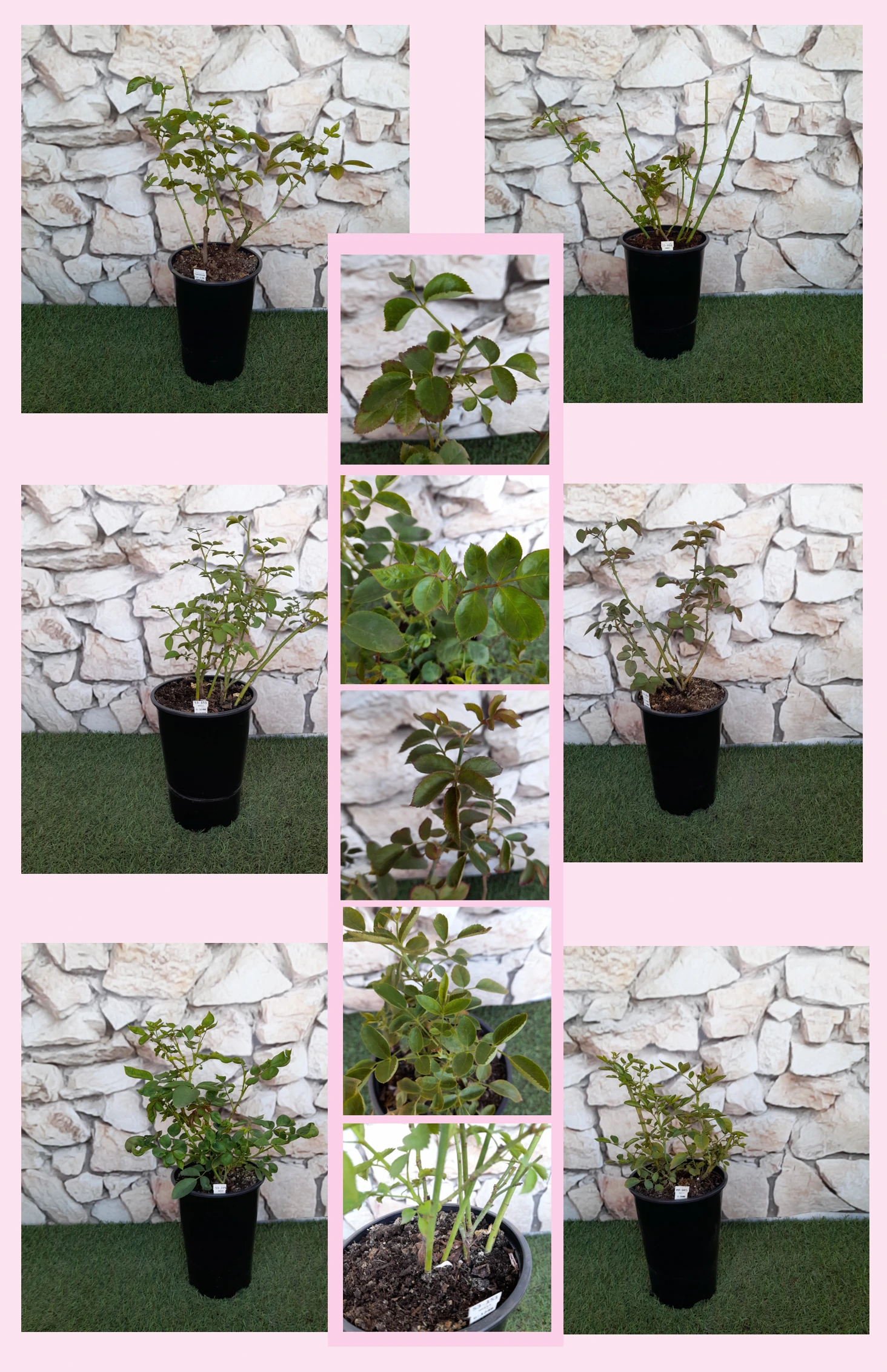
Step outside to the gentle glow of APRICOT SILK, a classic hybrid tea rose that fits beautifully into Irish cottage borders and smart Dublin front gardens, bringing a mood of quiet contentment. Its warm peach‑apricot blooms have a soft, silky sheen and appear from early summer in generous flushes, even when our summers feel short and the days are cool and damp. The upright, medium‑tall plant makes a graceful feature in a narrow bed, yet is compact enough to work beside a pathway or under a sitting‑room window where you can enjoy its fruity fragrance. Own‑root plants establish steadily, building roots in year one, fuller shoots in year two and their best garden display by year three, giving you a long‑lived, reliable companion. With generally good disease resistance and only light maintenance needed, APRICOT SILK offers classic cut‑flower quality in an easy‑care, family‑friendly garden rose.
Usage options
| Target area |
Reasoning |
| Front garden focal point |
The upright habit and 7–10 cm goblet blooms make a refined statement near a doorway or bay window, while dark glossy foliage sets off the apricot tones, suiting tidy but low‑maintenance entrances for the busy homeowner. |
| Cottage-style mixed border |
Remontant flowering gives flush after flush of colour through the season, weaving gently among perennials so gaps are filled with soft peach and fragrance without replanting, ideal for relaxed borders loved by the romantic gardener. |
| Cut-flower and vase use |
Long, straight stems and classic hybrid tea form provide elegant cut flowers; a few stems easily create a scented kitchen or hall arrangement, bringing garden charm indoors for the budget-conscious decorator. |
| Family garden low-effort rose bed |
Overall disease resistance is good, with only occasional checks for rust needed, so routine spraying can be minimal, suiting those who want colour without complicated regimes, especially the time-poor beginner. |
| Long-term structure planting |
As an own-root rose, the plant recovers well from winter, pruning or accidental damage, building a stable framework over many years and preserving its shape and colour for the future-focused planner. |
| Small terraced-house border |
The 50–70 cm spread keeps it within bounds of narrow city plots, while height adds privacy and vertical interest without overshadowing neighbours, making it perfect for the urban terrace owner. |
| Clay soil family gardens |
Once planted with decent drainage and a mulch layer, its sturdy growth and reliable repeat bloom offer consistent colour even in typical Irish heavier soils and frequent rain, reassuring the weather-worn gardener. |
| Wildlife-friendly accents |
Semi-double flowers give moderate support to pollinators, and later in the season the red–orange hips add a gentle autumn food source and colour highlight, appreciated by the nature-minded family. |
Styling ideas
- Cottage Harmony – Underplant APRICOT SILK with soft pink geraniums and catmint for a frothy, romantic edging that flowers for months – ideal for lovers of traditional cottage borders.
- Front-Door Welcome – Pair one or two plants with low box or lavender to frame a path to the door, giving a neat yet inviting entrance – suited to busy homeowners wanting easy elegance.
- Sunset Ribbon – Combine with Crocosmia and warm-toned Echinacea for a glowing peach-and-amber strip along a fence – for gardeners who enjoy rich, sunset colour schemes.
- Pastel Cut-Flower Corner – Group several bushes in a sunny corner with white cosmos and pale foxgloves for a ready-made cutting patch – perfect for home florists who like armfuls of gentle shades.
- Container Feature – Grow a single plant in a 40–50 litre terracotta pot with trailing thyme at the base for balconies or paved yards – great for small-space gardeners needing portable impact.
Technical cultivar profile
| Parameter |
Data |
| Name and registration |
Hybrid tea rose, registered as Apricot Silk, also traded as Apricot Silk hybrid tea rose; exhibition-quality blooms suitable for cut flower use and garden display in family settings. |
| Origin and breeding |
Bred by Charles Walter Gregory, C. Gregory & Son Ltd., UK, from Souvenir de Jacques Verschuren × unknown seedling; bred 1965, introduced and registered in 1970, first distributed widely via Australia. |
| Growth and structural characteristics |
Upright, medium-tall bush to around 110–150 cm high and 50–70 cm wide, with moderately dense, glossy dark green foliage and moderate prickliness, forming a tidy, easily maintained shrub. |
| Flower morphology |
Semi-double hybrid tea flowers with 13–25 petals, large 7–10 cm goblet to cupped form, mainly solitary on stems, remontant with a strong second flush, well suited for cutting and garden effect. |
| Colour data and phenology |
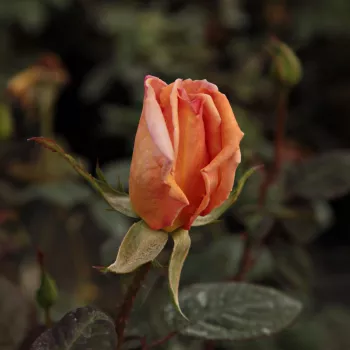
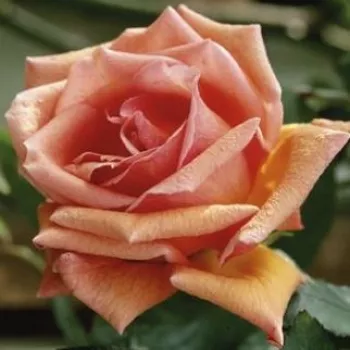
Warm peach-apricot blooms, deeper in bud, softening to pastel cream-peach with a rosy veil as they age; colour retention moderate, creating a gentle blend of tones across the shrub over the season. |
| Fragrance and aroma |
Medium-strength, clearly noticeable fragrance with softly sweet, fruity notes; scent is appreciable on still days, making it suitable near seating areas, paths and regularly used outdoor spaces. |
| Hip characteristics |
Produces moderate quantities of ovoid hips, about 13–17 mm in diameter, ripening to a red–orange RHS 40A shade, adding late-season ornamental interest and light wildlife value in autumn. |
| Resistance and winter hardiness |
Good overall disease resistance; resistant to powdery mildew and black spot, with medium rust susceptibility, hardy approximately to −21 to −18 °C (RHS H7, USDA 6b, Swedish Zon 3) under normal garden care. |
| Horticultural recommendations |
Plant in full sun, in well-drained but moisture-retentive soil; prefers neutral to slightly acid conditions, with 45–90 cm spacing depending on use; keep old blooms deadheaded and mulch annually for best performance. |
APRILCOT SILK combines repeat-flowering hybrid tea elegance, easy-care disease resistance and resilient own-root longevity, making it a thoughtful choice for gardeners seeking lasting, scented structure in a modest space.