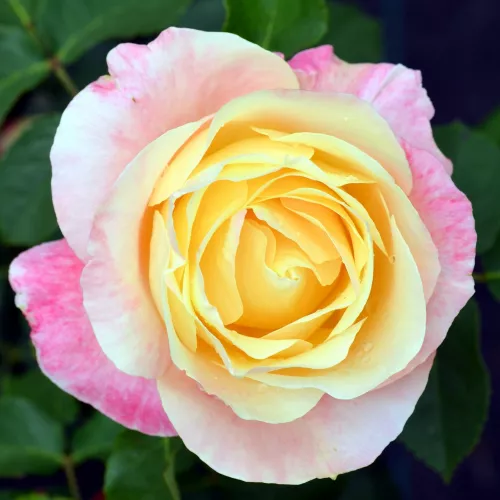
APRICOT QUEEN ELIZABETH – apricot-pink bedding grandiflora rose
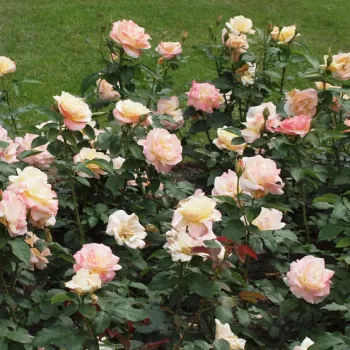
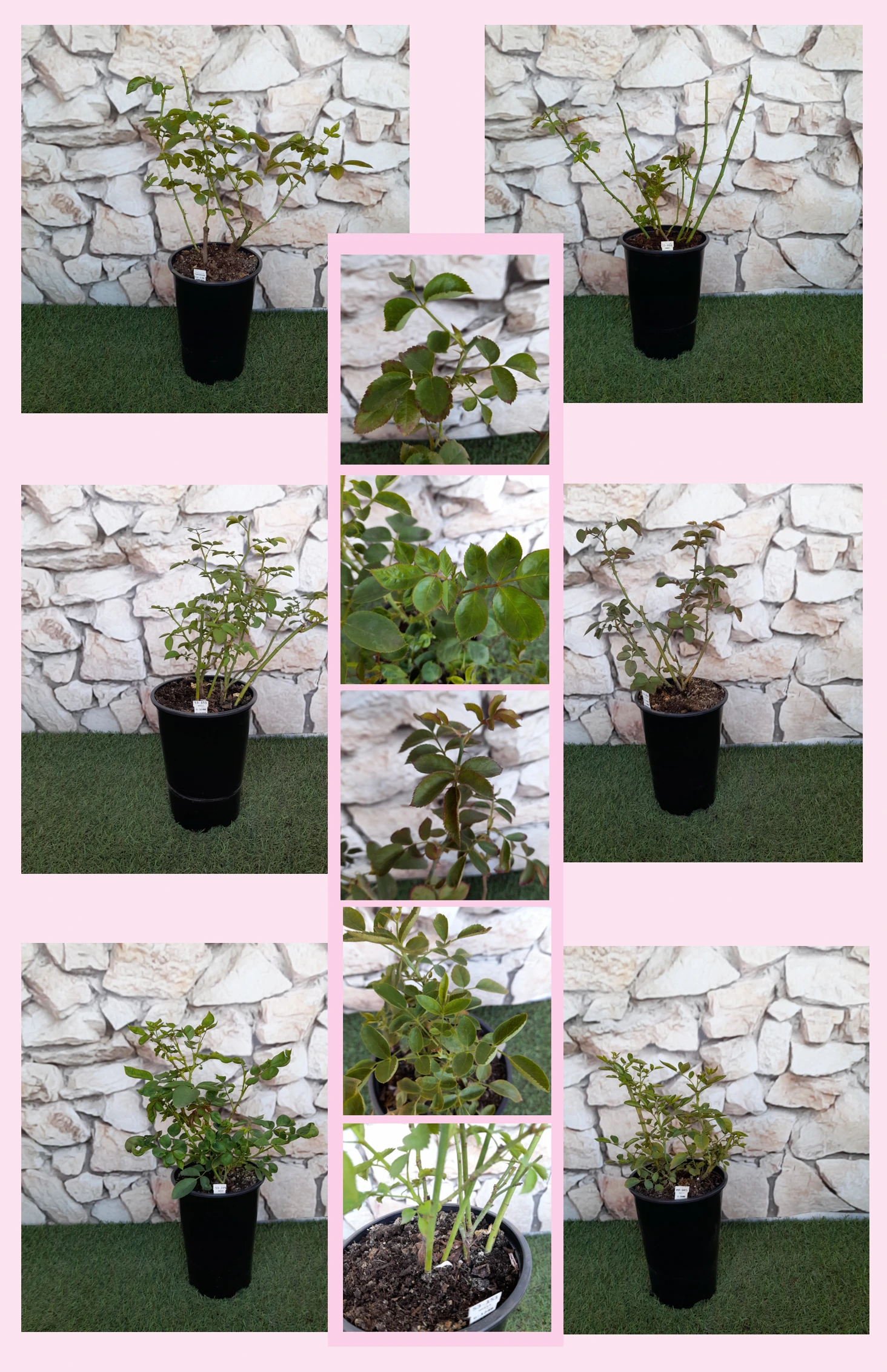
Imagine stepping outside for a gentle stroll after summer rain, the air soft and sweet, and finding APRICOT QUEEN ELIZABETH carrying on blooming cheerfully despite our changeable Irish weather and showers that follow quickly, even where summers feel short and breezy along the Atlantic coast. This grandiflora rose offers large, apricot-pink clusters that look effortlessly elegant in a small front garden, yet are sturdy enough for busy family spaces where you want flowers, not fuss. Its upright, bushy form stays pleasantly orderly with light pruning and occasional deadheading, while the strong, long-lasting perfume adds a romantic note to cottage-style borders and cut bouquets. As an own-root plant in the pharmaROSA® ORIGINAL 2‑litre container, it settles in securely, quietly building roots in year one, putting on shoots in year two, and by year three giving you dependable, lasting ornamental value with minimal extra work – a rose that simply feels reassuring to live with.
Usage options
| Target area |
Reasoning |
| Cottage-style flower bed in a small to medium family garden |
The upright, bushy growth and dense foliage make it perfect for classic mixed borders where you want clear structure and generous flowering without complex pruning techniques. Its steady performance through our cool, damp seasons keeps beds colourful over many months for the beginner gardener. |
| Front-of-house Dublin terrace or town front garden |
Its XL, apricot-peach blooms and strong fragrance create instant kerb appeal in a relatively compact footprint, ideal for narrow front gardens. Planted 65 cm apart as specimens, they form elegant focal points that stay tidy beside paths and railings for the busy urban homeowner. |
| Informal low hedge along a drive or boundary |
At 75–105 cm high and 50–70 cm wide, spaced 35–40 cm, it forms a softly upright, flowering line that marks boundaries without appearing harsh. Repeat flushes mean the hedge stays interesting all summer with only light deadheading needed for the low-maintenance seeker. |
| Cut-flower corner for scented bouquets |
Large, cup-shaped, double blooms on strong stems lend themselves naturally to cutting, with a fragrance that remains noticeable indoors. Plant a small group at 40 cm spacing and you will have regular stems to pick through the season for the home bouquet enthusiast. |
| Own-root feature rose in a long-lived family border |
The own-root form supports a long lifespan and stable ornamental value: if stems are damaged by weather or pruning, fresh shoots regenerate from the base similar to the original plant. This makes it a reassuring choice for long-term planting plans for the future-focused planner. |
| Clay soil garden with careful drainage improvement |
In heavier Irish clay, enriching the planting hole with organic matter and ensuring good drainage allows its roots to establish steadily. A surface mulch then helps regulate moisture, making day-to-day care easier over wet and dry spells for the practical homeowner. |
| Large patio container or courtyard pot (40–50 litres+) |
In a generous 40–50 litre container with quality compost and regular watering, its upright, bushy habit gives strong vertical colour beside doors or seating areas. Occasional feeding and deadheading keep flowers coming for many weeks for the small-space gardener. |
| Flower bed designed for reliable repeat flowering |
As a remontant rose with an abundant second flush, it shines where summers are short and cool yet you still want multiple waves of bloom. With moderate maintenance and sensible spacing, it delivers months of colour without complicated routines for the time-pressed beginner. |
Styling ideas
- Cottage-Romantic Border – Mass APRICOT QUEEN ELIZABETH among soft perennials like hardy geraniums and foxgloves to highlight its fragrant, XL blooms and easy, upright structure – ideal for cottage-garden lovers.
- ElegantFrontLine – Use a short run along a path with lavender or catmint at the base, letting the apricot flowers rise above a blue haze for refined but low-fuss impact – perfect for neat front-garden owners.
- ApricotCuttingPatch – Group several plants with white cosmos and soft grasses for a dedicated cutting corner, where long-lasting, scented blooms can be picked all season – suited to home bouquet makers.
- ClayGardenUpgrade – In improved clay beds, combine with sturdy shrubs like cherry laurel ‘Miki’ and summer perennials to create a durable, long-lived framework – good for realistic, time-poor gardeners.
- PatioStatementPot – Plant one in a 50-litre terracotta or half-barrel with trailing allysum for a tall, perfumed focal point beside steps or a bench – attractive for balcony and courtyard dwellers.
Technical cultivar profile
| Characteristic |
Data |
| Name and registration |
Grandiflora bedding rose marketed as APRICOT QUEEN ELIZABETH, a sport of ‘Queen Elizabeth’; also referenced as a bedding grandiflora rose by Verschuren for garden and exhibition use. |
| Origin and breeding |
Originated in the Netherlands with H.A. Verschuren & Zonen, introduced around 1980 as a sport selection of ‘Queen Elizabeth’, maintaining similar stature but displaying distinct apricot-peach flower colouring. |
| Awards and recognition |
Recognised with a Top-Rose competition award, reflecting dependable garden performance and ornamental merit, especially its combination of vigorous, upright habit, sizeable flowers and attractive apricot-pink colouring. |
| Growth and structural characteristics |
Upright, bushy shrub reaching about 75–105 cm tall and 50–70 cm wide, with dense, glossy dark green foliage and moderate prickles; suitable for bedding schemes, hedging runs and individual specimen roles. |
| Flower morphology |
Cluster-flowering, cup-shaped, double blooms with approximately 26–39 petals, XL size above 10 cm; remontant habit provides repeat flushes, including a notably abundant second wave under suitable care and conditions. |
| Colour data and phenology |
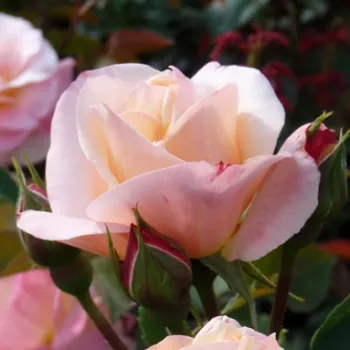
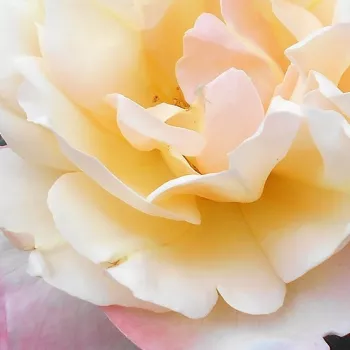
Flowers open deep peach-pink, shifting through light peach-orange and pastel peach-cream, often with a salmon or pink veil and warm yellowish centre; colour lightens in strong sun and stays richer in cooler conditions. |
| Fragrance and aroma |
Produces a strong, long-lasting perfume with a slightly sweet character that is easily noticeable at close quarters and can scent nearby paths or cutting gardens, especially when several plants are grouped together. |
| Hip characteristics |
Hip set is generally low due to the double blooms, but when present it forms small, egg-shaped orange-red hips about 13–17 mm in diameter, adding a modest late-season decorative note in some years. |
| Resistance and winter hardiness |
Hardy to approximately −26 to −23 °C (RHS H7, USDA 5b), with good black spot resistance and moderate tolerance to powdery mildew and rust; copes with moderate heat and brief drought once well established. |
| Horticultural recommendations |
Thrives in sunny sites with fertile, well-drained soil; space 35–65 cm depending on use. Best in improved clay with mulch and regular watering while establishing, plus occasional pest checks and deadheading for display. |
APRICOT QUEEN ELIZABETH offers large fragrant blooms, reliable repeat flowering and long-lived own-root resilience, making it a thoughtful choice for those planning a graceful, low-fuss garden.