APACHE – yellow park rose - Abrams
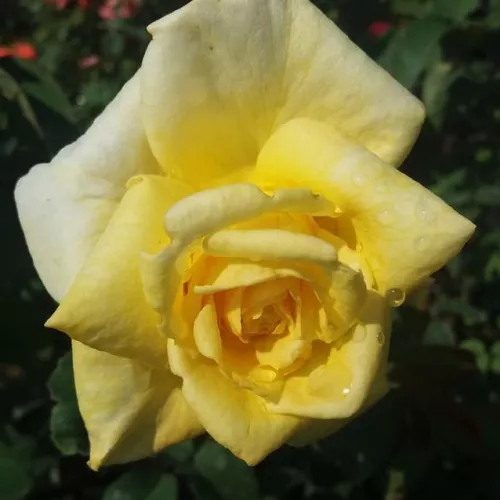
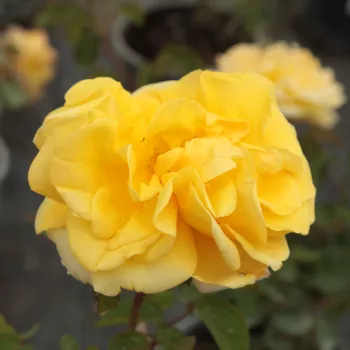
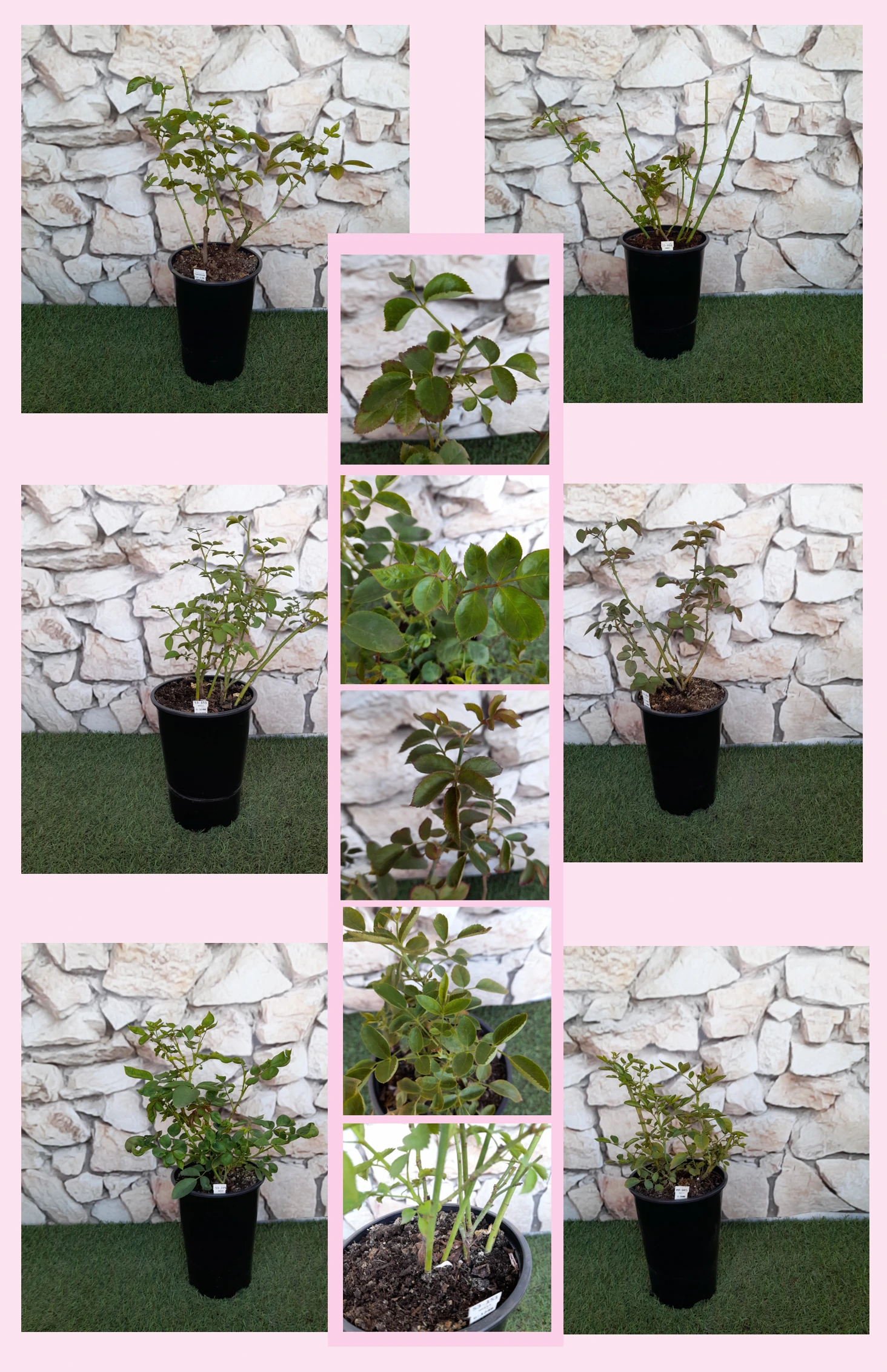
Imagine a gentle stroll past golden blooms after summer rain, their mildly sweet fragrance lifting your mood while this upright, bushy shrub quietly fills your garden with colour from early season to autumn. Apache is an easy-going park rose that copes reliably with our cool, damp Irish summers and frequent showers, staying attractive even when sunshine is in short supply and the days are breezy and wet. Dense, glossy foliage frames large, double flowers that repeat generously, giving you a steady stream of warm yellow tones without fussy pruning or complex feeding. As an own-root plant, Apache is bred for longevity, regrowing strongly if ever cut back hard and keeping its shape and flowering habit year after year. In its first season it quietly builds roots, the second year brings more confident shoots, and by the third it settles into a full, cottage-style presence that feels both relaxed and reassuringly permanent.
Usage options
| Target area |
Reasoning |
| Front garden focal shrub |
Apache’s tall, upright habit and large, high-centred yellow blooms create an instant focal point near a doorway or bay window, adding cheerful presence with relatively low upkeep; ideal for the busy yet style-conscious homeowner |
| Cottage-style mixed border |
Its long, repeat flowering season and warm, soft yellow tones weave naturally among perennials and ornamental grasses, bringing that informal “girly” cottage feel while still coping well with cool, rainy Irish summers; perfect for the relaxed hobby-gardener |
| Informal flowering hedge |
Planting Apache at hedge spacing creates a loose, flowering screen with dense foliage for privacy; own-root durability means gaps fill over time, keeping the hedge attractive with minimal replacement; reassuring for the practical planner |
| Small urban garden structure |
The bushy grandiflora form gives strong vertical structure without needing elaborate training, so a single shrub can anchor a compact city plot or terrace front, offering shape, bloom and fragrance together; ideal for the time-pressed city-dweller |
| Feature in large containers |
In a 40–50 litre or larger container Apache offers generous colour on patios or balconies, and being own-root it recovers well if winter pruned harder, remaining a long-lived potted feature; reassuring for the container-focused gardener |
| Family-friendly lawn edge |
Positioned at the edge of a lawn, its dense, glossy foliage and moderate maintenance needs provide a tidy outline that still feels soft and natural, with flowers that invite close viewing; well suited to the relaxed family garden-owner |
| Season-long colour accent |
With remontant, abundant second flushes, Apache keeps yellow blooms returning through the season, giving ongoing colour without repeated replanting or bedding changes; attractive for the value-conscious beginner |
| Low-input, resilient planting scheme |
Moderate disease resistance, hardiness to typical Irish winters, and stable own-root growth make Apache a good fit where you want reliability more than perfection, reducing the need for replacement plants; ideal for the low-maintenance-focused buyer |
Styling ideas
- Cottage-Romantic – Thread Apache through pink campion, soft geraniums and airy grasses for a relaxed, “girly” cottage look – for those who favour charm over formality
- Sunny-Entrance – Flank a front path with pairs of Apache underplanted with lavender and catmint – for homeowners wanting an inviting, scented welcome
- Grass-Partner – Combine Apache with feather reed grass and glaucous sedge to contrast yellow blooms against cool, blue-green foliage – for design-led, contemporary gardeners
- Container-Feature – Grow Apache in a 50 litre pot with trailing thyme and violas to enjoy long-season colour on patios – for balcony and terrace garden makers
- Soft-Hedge – Line a boundary with Apache and weave in white gaura or foxgloves for a loose, flowering screen – for families wanting privacy without a heavy fence
Technical cultivar profile
| Parameter |
Data |
| Name and registration |
Apache, shrub/park rose, registered cultivar name Apache, American Rose Society exhibition name Apache; commercial name Apache – yellow park rose - Abrams for garden and landscape use. |
| Origin and breeding |
Bred in the USA by Gordon J. Von Abrams around 1961; exact parentage and initial distributor are unknown, but it belongs to the shrub rose group commonly used as a versatile park rose. |
| Growth and structural characteristics |
Upright, bushy grandiflora-type shrub reaching about 130–190 cm tall and 70–110 cm wide, with dense, dark green, glossy foliage and plentiful prickles, forming a substantial, structural garden presence. |
| Flower morphology |
Large, 7–10 cm high-centred, double blooms with 26–39 petals, often solitary on stems; flower form reminiscent of classic cut roses, with remontant, abundant repeat flowering through the season. |
| Colour data and phenology |
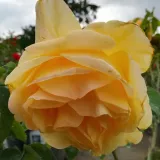
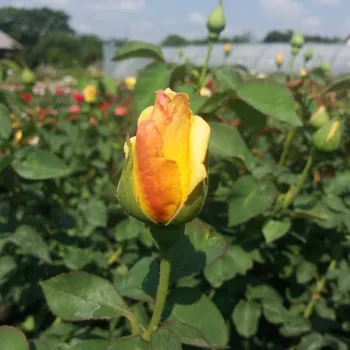
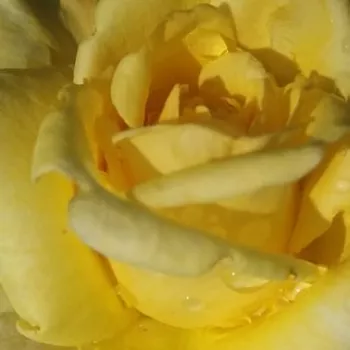
Sunny lemon-gold buds open to bright yellow, then fade through buttery cream to honey-straw tones; ARS colour dr, RHS 53A outer and 187A inner, with moderate colour retention in typical garden conditions. |
| Fragrance and aroma |
Mild yet pleasantly sweet fragrance, giving a gentle classic rose scent without overwhelming nearby seating areas; ideal where subtle background perfume is preferred over strong, dominant perfume. |
| Hip characteristics |
Rose hips are usually sparse due to the double flowers; when present they are spherical, 16–24 mm wide, in a warm orange-red shade (RHS 40A), adding occasional late-season ornamental interest. |
| Resistance and winter hardiness |
Hardy to approximately -21 to -18 °C (H7, USDA 6b, Swedish zone 3); resistant to black spot and powdery mildew with moderate rust susceptibility, classed overall as having moderate disease resistance. |
| Horticultural recommendations |
Suited to mass planting, hedging or solitary use; space about 80–150 cm apart; prefers well-drained soil with organic mulch, medium maintenance, with occasional pest or disease checks and light pruning. |
APACHE offers season-long yellow blooms, solid garden structure and dependable hardiness in an own-root form that matures gracefully over the years, making it a thoughtful choice if you want lasting colour with modest effort.