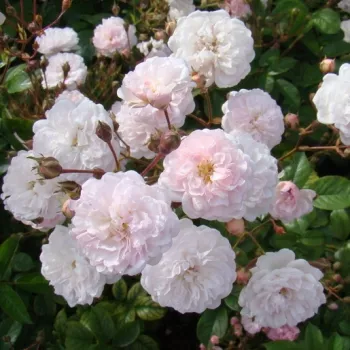
ANNELIES – pale pink park rose - Lens
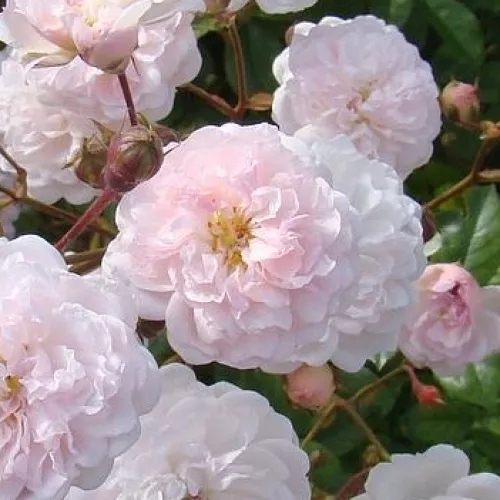
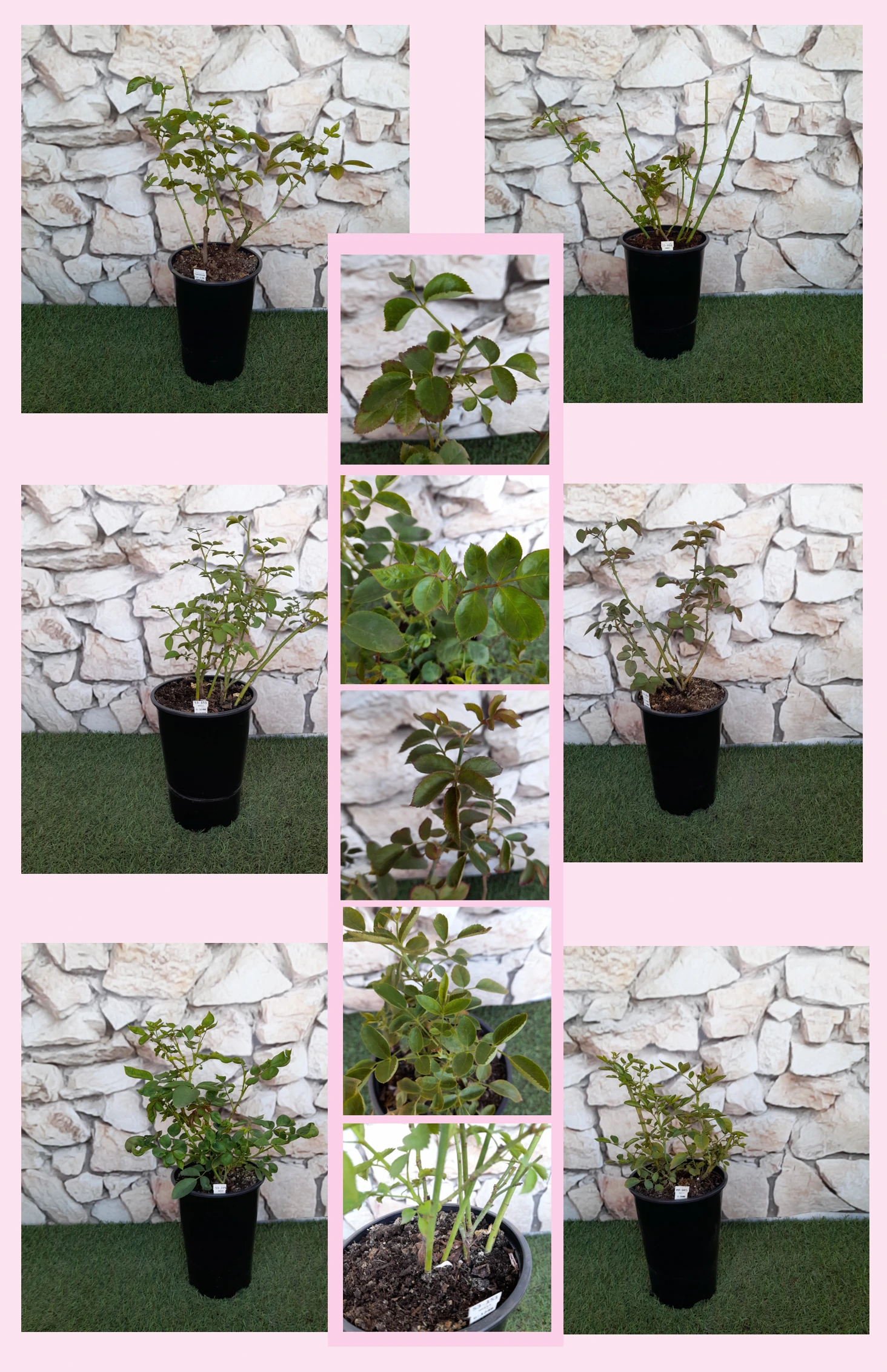
Step outside to meet ANNELIES, a softly romantic shrub rose that suits relaxed Irish cottage borders and neat Dublin front gardens alike, even where rainfall is frequent and soils can feel heavy underfoot. Her clusters of small, fully rosetted blooms open in waves from early summer well into autumn, creating an easy backdrop of powder-pink, pearly light around your daily garden walk. This own-root shrub settles in steadily, rewarding a simple planting routine and then asking for only modest maintenance, while the woody framework matures year by year for impressive longevity. Plant once, then enjoy watching the natural rhythm of year one roots, year two shoots and year three full ornamental value, as she becomes a graceful, upright, compact hedge or specimen that quietly lifts the mood of your outdoor space.
Usage options
| Target area |
Reasoning |
| Cottage-style front garden hedge |
ANNELIES forms an upright, compact shrub 120–170 cm tall with light green, slightly glossy foliage, ideal for a soft, pale-pink boundary. Regular clusters of very double rosette blooms give privacy with a gentle, welcoming look for a relaxed, romantic gardener. |
| Feature shrub in a small family garden |
As a solitary specimen at around 90 cm spacing, this hybrid musk shrub builds a rounded, moderately dense framework that flowers in generous clusters. Its pale, powder-pink tones blend effortlessly with mixed perennials, suiting homeowners who want reliable impact without complex pruning for beginners. |
| Mass planting in cottage borders |
Square or hexagonal planting at about 3–4 plants per m² quickly knits into a low, billowing sea of pastel colour. Repeating flushes of bloom create a long season of interest that copes well with changeable Irish summers for busy urban garden owners. |
| Small climbing rose on an obelisk or railing |
The taller end of its 120–170 cm height range allows light tying-in to a short trellis, railing or obelisk. Clusters of small, very double flowers soften hard lines without overwhelming the space, ideal for those greening compact terraces or city frontages for hobby gardeners. |
| Water-conscious, low-input planting |
Once rooted, ANNELIES tolerates moderate heat and brief dry spells, provided the soil does not fully dry out. In typical Irish conditions of moist, heavier ground, a little compost and mulch support steady growth with minimal intervention, appealing to time-pressed owners. |
| Long-season pastel colour scheme |
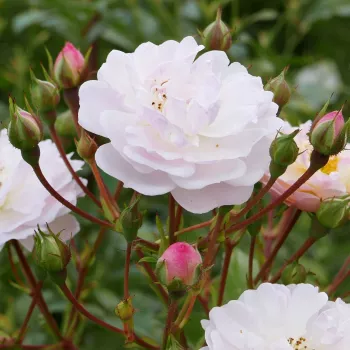
Flowers open powder pink, then lighten towards white with a pearlescent sheen, creating shifting pastel tones for much of the season. Remontant flowering ensures several strong flushes, giving months of gentle colour for nature‑oriented, fragrance‑curious buyers. |
| Wind‑tolerant front garden planting |
The compact, upright habit and moderately thorny shoots stand up well in exposed, breezy Irish streets, even where soft light and frequent showers dominate the season, giving reassuring structure and flower for families in coastal‑influenced locations for city front‑garden owners. |
| Wildlife‑friendly autumn interest |
After flowering, ANNELIES can set small, spherical orange‑red hips about 6–10 mm across, providing a subtle autumn accent and seasonal food for birds. This gentle, low‑mess display fits best with relaxed, nature‑oriented gardeners. |
Styling ideas
- Cottage-Romantic – weave ANNELIES through foxgloves and white foxglove-style perennials for a layered, storybook cottage look – ideal for nostalgic front‑garden dreamers
- Soft-Hedge – plant a single‑variety line along a path or boundary for a pale‑pink, semi‑formal hedge that still feels relaxed – suited to families wanting gentle structure
- Pastel-Lawn-Island – place one or three shrubs in turf, underplanted with white Liatris and soft grasses, for a calm, luminous island bed – perfect for contemplative homeowners
- Urban-Obelisk – train ANNELIES loosely up an obelisk in a 40–50 litre container to soften paved terraces and small yards – great for compact, city‑based gardeners
- Water-Wise-Mix – combine with Berberis and drought‑tolerant perennials in well‑mulched beds for colour with modest watering needs – appealing to eco‑minded, busy gardeners
Technical cultivar profile
| Characteristic |
Data |
| Name and registration |
Shrub, Hybrid Musk rose; registered as LENplero, traded as ANNELIES – pale pink park rose - Lens; ARS exhibition name Annelies; park rose type within the Rósra páirce - toir commercial group. |
| Origin and breeding |
Bred by Louis Lens, Lens Roses, Belgium; parentage not recorded. Introduced and registered in 2000, with initial distribution through Lens Roses Nursery; developed for versatile park and garden use. |
| Awards and recognition |
Awarded a silver medal at the Rome rose trials in 2000, reflecting dependable garden performance and ornamental value in an independent international competition, with ongoing appeal to discerning collectors. |
| Growth and structural characteristics |
Upright, compact shrub, about 120–170 cm tall and 60–100 cm wide, with moderately dense, light green, slightly glossy foliage and moderate prickling; suitable for hedging, specimens and light training. |
| Flower morphology |
Small rosette blooms, around 1–4 cm, carried in large clusters; very double with 40+ petals. Strongly remontant, producing generous repeat flushes after the main flowering period in suitable conditions. |
| Colour data and phenology |
Pale powder‑pink flowers fading to near white; RHS 65C outer and 155D inner petal tones. Buds milky pink, with colour lightening in sun and age, giving softly shifting pastel effects over the season. |
| Fragrance and aroma |
Fragrance is very weak and discreet, with a delicate, elegant character best appreciated at close range; chosen primarily for visual effect and repeat flowering rather than for strong perfume in the garden. |
| Hip characteristics |
Produces a moderate crop of small, spherical orange‑red hips, around 6–10 mm across, offering subtle late‑season colour and potential wildlife interest without creating heavy litter or untidiness. |
| Resistance and winter hardiness |
Hardy to about −21 to −18 °C (RHS H7, USDA 6b, Swedish zone 3). Disease resistance is moderate to black spot, powdery mildew and rust, benefitting from good air circulation and occasional monitoring. |
| Horticultural recommendations |
Best in sunny sites with fertile, well‑drained soil; enrich heavy clay with organic matter and mulch annually. Space 50–90 cm depending on use; prune lightly to shape and to encourage fresh flowering wood. |
ANNELIES offers long-season pastel flowering, adaptable upright form and subtle hips on a resilient own-root shrub, making it a thoughtful choice if you seek lasting, low-fuss charm in your garden.