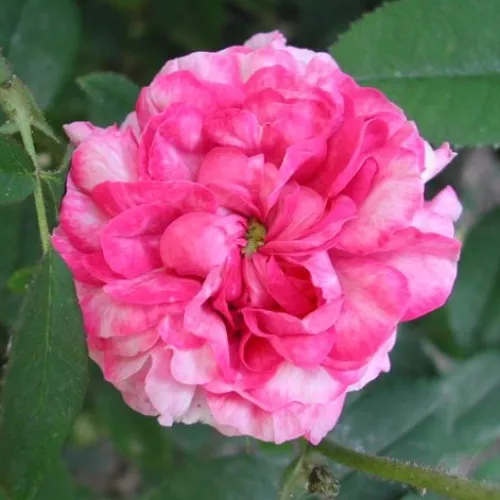
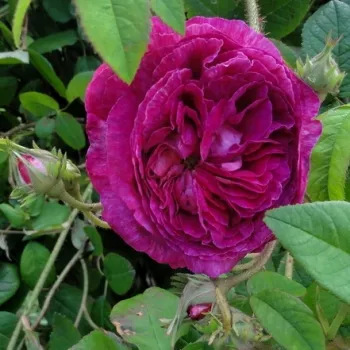
AMBROISE PARÉ – pink historical Gallica rose - Vibert
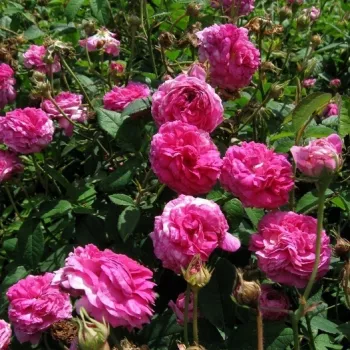
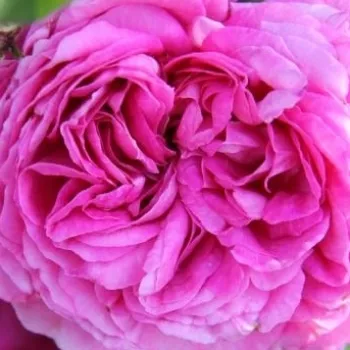
Step out to soft rain and meet heritage romance in AMBROISE PARÉ, a tall, bushy Gallica that fills your Irish cottage or city front garden with richly marbled, violet‑pink rosettes and a strong, spicy fragrance. Blooming generously in early summer, its once‑a‑year display is concentrated into a magical few weeks, then the plant settles into a handsome, upright structure with matt, mid‑green foliage that looks well in all weathers, even where summers are cool and humid with frequent showers and changeable light. Good self‑cleaning keeps the bush neat with little maintenance, while hardy roots on its own‑root stock give long‑lived reliability and quiet endurance. Plant once, then watch it strengthen over time as roots establish, shoots build up, and by the third year you enjoy its full ornamental presence.
Usage options
| Target area |
Reasoning |
| Cottage‑style flowerbed near a path |
The tall, bushy habit and once‑a‑season flush of richly marbled, violet‑pink blooms create a classic period focal point beside a garden path, with strong spicy scent greeting every step in early summer, ideal for the fragrance‑loving cottage gardener homeowner |
| Dublin terraced-house front garden |
Its upright growth and 150–210 cm height let you use limited space efficiently, giving vertical colour and a graceful, historic feel that suits brick façades and railings, while moderate maintenance needs remain realistic for busy urban beginners |
| Specimen feature in a lawn or gravel area |
Planted alone at the recommended wider spacing, the shrub’s structural strength, matt mid‑green foliage and bright red hips provide year‑round interest, with a concentrated flowering season becoming a highlight of the garden calendar for the thoughtful plant collector |
| Loose flowering hedge or boundary |
Set at hedge spacing, its bushy, upright framework and dense thorniness form a characterful, informal boundary; once established on its own roots it offers dependable long‑term cover and seasonal colour for families wanting privacy with charm families |
| Mixed historic-rose border on heavy Irish soils |
The robust shrub structure and deep rooting suit improved heavy clay with good drainage, and its hardy constitution copes well with our cool, damp summers and frequent showers, reassuring gardeners who value durability in a traditional planting gardeners |
| Lightly shaded side garden or north-east aspect |
Reasonable tolerance of partial shade allows planting where larger houses or walls soften the light; the strong scent and clear flower colour still show well, giving life to awkward side plots that many new owners struggle to use attractively starters |
| Heritage-themed park or community garden bed |
This long‑lived, own‑root Gallica offers historical interest and reliable structure for public or shared spaces, needing only moderate care and occasional pest management, suiting volunteer‑maintained or community gardens seeking resilient, story‑rich planting communities |
| Large container on a sunny terrace or gravel courtyard |
In a well‑drained container of at least 40–50 litres, the bushy habit and strong perfume create a seasonal highlight close to seating; good self‑cleaning means fewer spent blooms to deadhead, convenient for time‑pressed but style‑conscious small‑space owners |
Styling ideas
- Cottage-porch welcome – Underplant AMBROISE PARÉ with golden cinquefoil and Japanese spurge to frame a front door with romantic summer colour and tidy, low-maintenance groundcover – suited to busy cottage owners.
- Historic-hedge rhythm – Create a loose hedge, repeating shrubs at regular intervals and edging with groundcover box honeysuckle for a soft, traditional boundary – ideal for families wanting character and structure.
- Fragrant-feature circle – Use a single specimen in a small gravel circle with simple timber benching to celebrate its summer bloom and scent – perfect for contemplative gardeners.
- Shady-side charm – Plant along a lightly shaded side path with ferns and spring bulbs so foliage and structure carry interest after the main flowering – good for homeowners taming awkward side gardens.
- Courtyard-showpiece – Grow in a large clay pot on gravel with muted, zinc containers of herbs nearby, highlighting its perfume and historic form against simple textures – aimed at urban terrace gardeners.
Technical cultivar profile
| Aspect |
Data |
| Name and registration |
Heritage Gallica rose, trade name AMBROISE PARÉ – Vibert; historic, unregistered cultivar of the Rós stairiúil group, long valued for its association with Ambroise Paré, pioneer of modern surgery. |
| Origin and breeding |
Originated in France, bred by Jean-Pierre Vibert around 1845 and introduced in 1846; parentage is unknown, but it belongs to the traditional Gallica/Provins roses, distributed widely across European gardens. |
| Growth and structural characteristics |
Tall, bushy upright shrub, typically 150–210 cm high with 80–120 cm spread; moderately dense, matt, mid‑green foliage and dense prickling give strong outline and good shrub presence in mixed plantings. |
| Flower morphology |
Medium sized 4–7 cm, very double rosette blooms carried in clusters; 40+ petals provide a full, old‑rose appearance, blooming once in early season rather than repeating later in the summer. |
| Colour data and phenology |
Base colour vivid lilac‑pink with mauve tones; buds deep crimson‑pink, opening with rich purplish‑pink and darker striping, then softening to pastel, sometimes whitish pink in strong sun; ARS PB, RHS 75A outer, 75C inner. |
| Fragrance and aroma |
Strong, distinctly scented rose with a spicy character typical of historic Gallicas; fragrance is most noticeable in mild, still weather and makes it particularly suitable for paths, seating areas and entrances. |
| Hip characteristics |
Hip set generally sparse due to very double flowers; when present, hips are spherical, 10–15 mm in diameter and bright red, adding a modest decorative effect after flowering without heavy self‑seeding. |
| Resistance and winter hardiness |
Hardy to about −32 to −29 °C (USDA 4b, RHS H7, Swedish zone 5); moderate disease resistance overall, usually resistant to black spot, with moderate susceptibility to mildew and rust in humid summers. |
| Horticultural recommendations |
Best in well‑drained soil, improved clay or loam; spacing 85–170 cm depending on use; medium maintenance, requiring watering in dry spells and occasional pest control; prefers sun but tolerates partial shade. |
AMBROISE PARÉ rewards patient gardeners with rich historic blooms, strong scent and enduring shrub structure, while its own-root form promises long-term reliability in a family garden, making it a thoughtful choice for lovers of classic roses.