ENCELADUS – red groundcover rose – pharmaROSA®
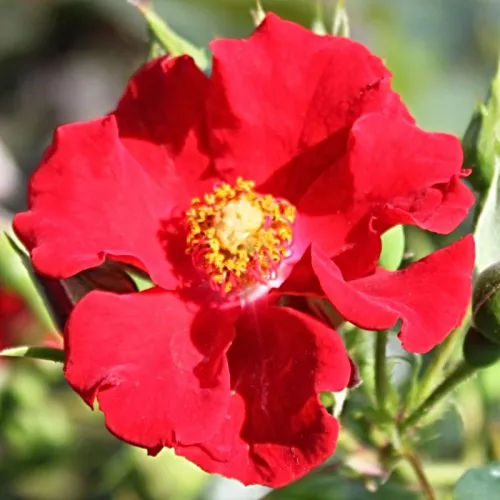
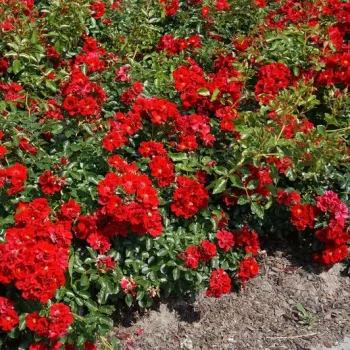
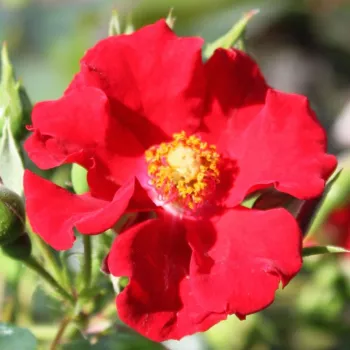
Step outside after the rain and let ENCELADUS wrap your garden in cheerful colour and soft, lemony fragrance, its bright single blooms glowing against neat green foliage even where windborne showers and damp weather are frequent through the year. This compact groundcover rose is bred for resilient, low-fuss performance, making it a natural fit for Irish cottage borders and tidy city front gardens where you want reliable flowers but limited gardening chores. Own-root plants are quietly long-lived, building strength year by year so that roots establish first, then sturdier shoots, and by the third season you enjoy full ornamental value with generous flowering waves. Bees and hoverflies love the open, golden-centred blooms, keeping your space gently alive with movement all summer, while its dense, bushy habit knits together into a carpet of colour that helps to soften paving, edge paths, or spill over low walls without demanding constant care.
Usage options
| Target area | Reasoning |
|---|
| Low-maintenance front garden edging |
ENCELADUS forms a compact, bushy groundcover that naturally suppresses weeds and needs only light pruning, ideal for busy households who still want a neat, welcoming front path or driveway edge with vivid red flowers and scent to greet beginners. |
| Cottage-style mixed border |
The strong, lemony-honey fragrance and traditional single blooms suit relaxed cottage schemes, weaving between perennials without overwhelming them, while its own-root longevity means the rose returns reliably each year for fragrance-lovers. |
| Pollinator-friendly family garden strip |
Open flowers with exposed stamens offer easy nectar and pollen, attracting bees and other helpful insects; repeat flushes give months of interest, turning a simple side bed into a small wildlife resource for nature-oriented families. |
| Low hedge along a terrace or drive |
Planted at hedging distance, ENCELADUS builds a low, colourful line that is tough, weather-tolerant and easy to keep in shape with one light trim, adding structure without the high maintenance of formal hedging for urban-owners. |
| Mass planting on banks or awkward corners |
The spreading habit and repeat flowering make it ideal for mass planting where you want ground covered quickly, with long-lasting colour instead of bare soil, bringing reliable impact with minimal effort for time-poor gardeners. |
| Feature plant near seating or doorway |
Its strong, long-lasting lemony, honeyed fragrance and vivid scarlet clusters invite you to pause, especially when placed by a bench or doorway, where short daily walks become small, scented rituals for homebodies. |
| Large container on patio or balcony |
In a roomy 40–50 litre pot with good drainage, this compact bushy rose gives generous repeat flowering and scent close at hand, offering an easy-care solution where borders are limited for balcony-gardeners. |
| Weather-tolerant planting in exposed gardens |
Its hardy, resilient nature and disease resistance cope well in open Irish gardens where frequent rain and moist air are part of everyday life, keeping foliage healthier with fewer treatments for busy-owners. |
Styling ideas
- Cottage-Drift – Sweep ENCELADUS in loose ribbons through a border with Campanula glomerata and foxgloves for relaxed colour and fragrance – ideal for romantic cottage-garden enthusiasts.
- Front-Step – Line a narrow front path with ENCELADUS and soft grasses like Carex flacca 'Blue Zinger' for a tidy, low-care welcome – perfect for busy Dublin terrace homeowners.
- Wildlife-Edge – Combine ENCELADUS with Liatris spicata 'Alba' and herbs to create a bee-friendly strip buzzing with life – suited to families encouraging children to notice pollinators.
- Patio-Jewel – Plant a single ENCELADUS in a 50 litre terracotta pot with gravel mulch for drainage, letting its red blooms glow against pale stone – good for compact courtyards and balconies.
- Bank-Softener – Use repeated groups of ENCELADUS on a gentle slope to knit together into a flowering groundcover, softening hard edges – appealing to gardeners taming awkward levels simply.
Technical cultivar profile
| Property | Data |
|---|
| Name and registration |
ENCELADUS – red groundcover rose, Mulch collection; trade name Enceladus Mulch pharmaROSA®, miniature ground cover type; no registered exhibition name recorded to date. |
| Origin and breeding |
Discovered in Germany in 2003 and later introduced by PharmaRosa® Ltd.; exact parentage and original breeder data are unknown, but selected for robust garden performance. |
| Growth and structural characteristics |
Bushy, compact groundcover rose reaching about 50–85 cm high and 50–90 cm wide, with moderately dense, glossy mid-green foliage and moderate prickliness on the shoots. |
| Flower morphology |
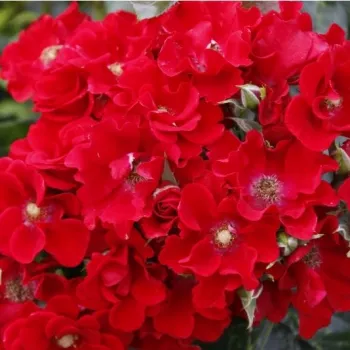
Small, flat, single to semi-single blooms, 1–4 cm across, typically 5–12 petals, produced in clusters with good repeat, including an abundant second flush in suitable conditions. |
| Colour data and phenology |
Vivid scarlet-red flowers with warm orange bases and golden-yellow stamens; colour moderates towards raspberry or brick-red as blooms age, with subtly lightened petal edges. |
| Fragrance and aroma |
Strong, long-lasting perfume with a distinctive lemony, honeyed character; scented blooms are noticeable at close range, especially when several clusters open together. |
| Hip characteristics |
Forms decorative rose hips in moderate quantities, usually 8–16 mm in diameter, extending seasonal interest after flowering if spent blooms are not removed. |
| Resistance and winter hardiness |
Rated hardy to approximately −26 to −23 °C (H7, USDA 5b) with documented resistance to black spot, powdery mildew and rust under typical Central European test conditions. |
| Horticultural recommendations |
Prefers well-drained soil; space plants 85–155 cm apart depending on use, at about 1.1–1.3 plants/m² for massing; low maintenance needs, with light annual pruning and mulching sufficient. |
ENCELADUS Mulch pharmaROSA® offers strong lemony fragrance, generous repeat flowering and resilient health in a long-lived own-root form, making it a thoughtful choice for easy-going Irish gardens.