ALEXANDER MACKENZIE – pink climbing rose – Svejda
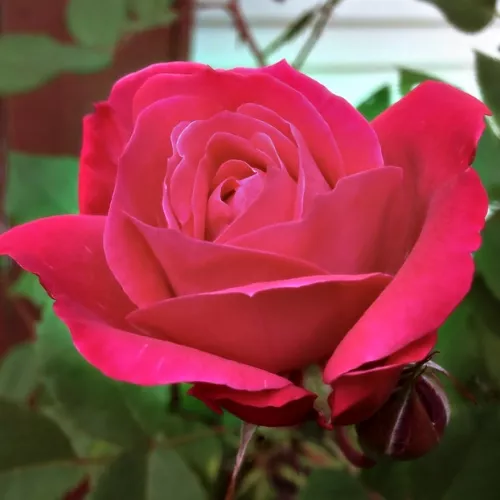
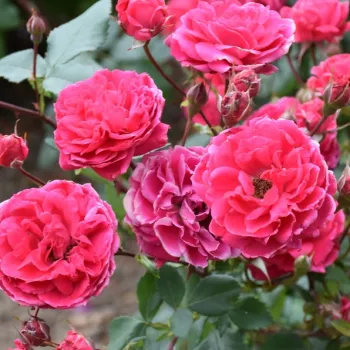
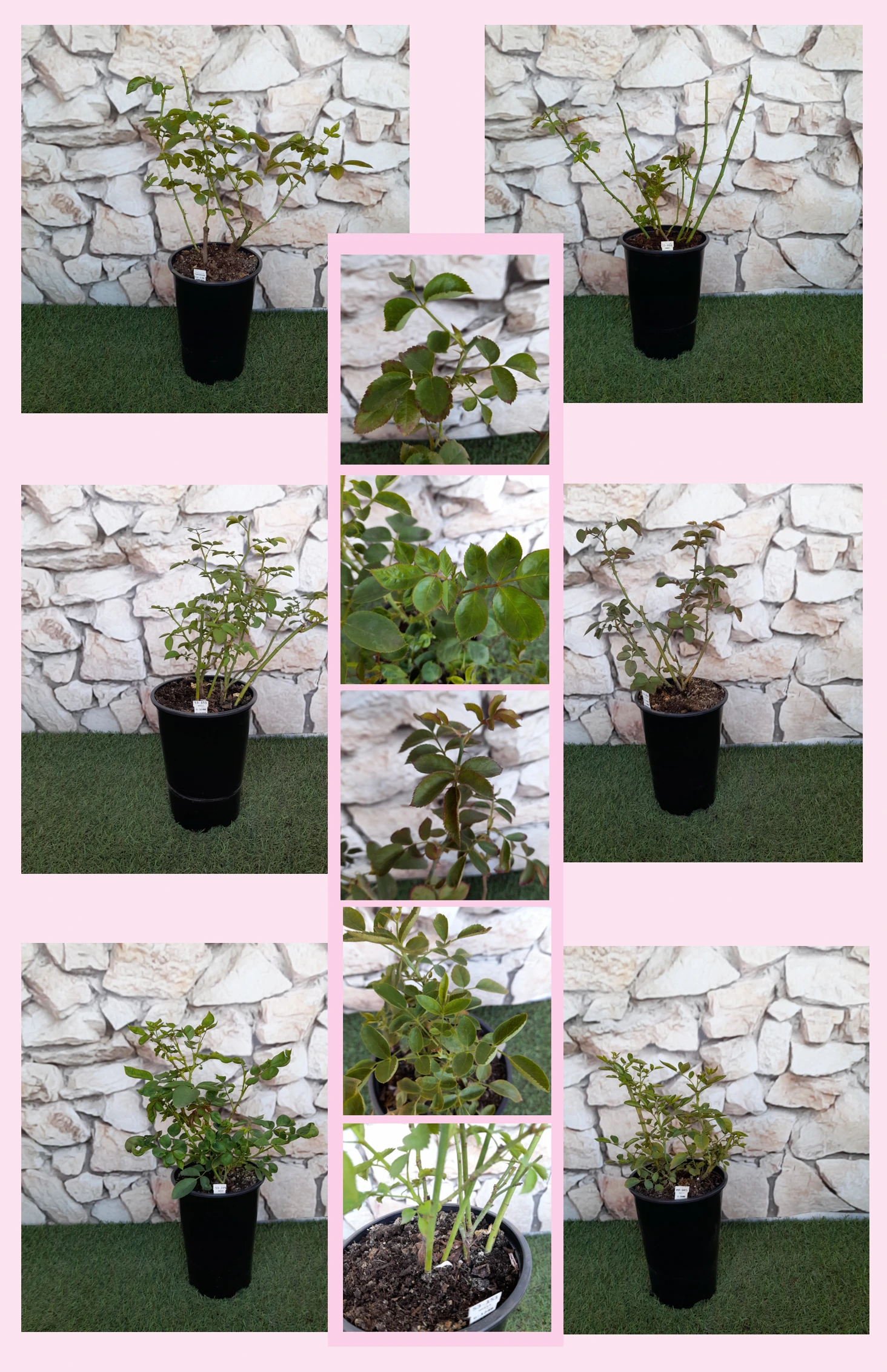
If you dream of a softly lit, cottage-style corner that still looks cheerful on a wet Dublin afternoon, ALEXANDER MACKENZIE gives you generous raspberry-pink clusters that keep returning through the season, with a medium, delicately fruity fragrance. Bred in Canada for serious hardiness, it shrugs off deep winter cold while its upright, structured growth makes it easy to train on arches, railings or a boundary trellis for neat, future-proof screening. As an own-root plant, it is designed for long-term longevity in family gardens, quietly rebuilding from the base if stems are damaged, so it copes well with exposed sites where soft light moves across damp leaves and breezes bring hints of Atlantic salt. Over time you will see a natural rhythm: the first year mostly building roots, the second year showing stronger shoots, and by the third year settling into its full ornamental presence.
Usage options
| Target area |
Reasoning |
| Cottage-style house wall or trellis |
Use its upright, climbing habit to frame windows, porches or a sunny gable, creating a soft raspberry-pink backdrop that suits Irish cottage architecture without demanding intricate pruning, ideal for the relaxed weekend gardener. |
| Dublin terraced front garden boundary |
Trained along railings or a slim trellis, it offers vertical screening and a composed, architectural line that keeps a small front garden feeling ordered rather than overgrown, especially appreciated by style-conscious urban homeowners. |
| Feature arch on a family path |
Its repeat-flowering clusters and medium fruity scent turn a simple path into a short, uplifting walk, even in light rain, adding everyday pleasure for those wanting a gentle sensory experience as busy commuters. |
| Mixed border with perennials |
Pair with low, reliable companions like lilyturf or Japanese spurge to keep the base tidy while the rose provides height and colour, suiting gardeners who favour long-lived, coordinated planting schemes as thoughtful planners. |
| Wind-exposed, cold-prone spots |
Its breeding for very low temperatures makes it a reassuring choice where winter can be harsh or sites are a little bleak, giving structure that endures from year to year for climate-aware buyers. |
| Long-season flower display near seating |
Position by a bench or small patio and enjoy the remontant, abundant second flush, so you see colour from early summer well into the season despite Ireland’s shorter summers, rewarding time-pressed outdoor relaxers. |
| Family garden “girly” corner |
Its rich raspberry-pink, almost fuchsia tones bring a playful, romantic mood that pairs beautifully with soft groundcovers and bellflowers, ideal for creating a charming nook valued by imaginative young gardeners. |
| Large container on a balcony or small terrace |
In a 40–50 litre container with good drainage, it becomes a vertical accent that suits smaller spaces, where strong roots and a steady structure help it cope with variable rainfall and breezes appreciated by compact-space gardeners. |
Styling ideas
- Cottage-Arch – Train over a slim arch with Dalmatian bellflower at the base, creating a storybook entrance that fits naturally in small Irish cottage gardens – perfect for romantic-minded families.
- Terrace-Screen – Use along terrace railings with evergreen Japanese spurge to give year-round structure and colour harmony – ideal for privacy-seeking city residents.
- Berry-Raspberry – Combine its raspberry-pink blooms with cool lilac and white perennials for a soft, “girly” colour palette – suited to playful front-garden creators.
- Structured-Hedge – Plant at wider spacing as a loose flowering hedge, letting each plant form an upright, clearly defined shape – good for low-fuss boundary planners.
- Patio-Column – Grow in a large 50 litre pot with a slim obelisk to form a movable flower column – attractive for flexible, rental-garden stylers.
Technical cultivar profile
| Parameter |
Data |
| Name and registration |
Alexander MacKenzie climbing rose, shrub-climber group, trade name ALEXANDER MACKENZIE – pink climbing rose – Svejda, ARS exhibition name A. Mackenzie, collection: Climbing rose. |
| Origin and breeding |
Bred by Felicitas Svejda in Canada from ‘Queen Elizabeth’ × (‘Red Dawn’ × ‘Suzanne’), introduced and registered in 1985 by Agriculture and Agri-Food Canada, Ottawa. |
| Growth and structural characteristics |
Upright climbing shrub, 180–300 cm high, 150–250 cm spread, dense mid-green glossy foliage, moderately spiny canes, weak self-cleaning so spent blooms may need removing. |
| Flower morphology |
Very double, globular to pompon clusters, medium-sized 4–7 cm blooms, 40+ petals, remontant with a strong second flush, mainly cluster-flowering on well-ripened lateral shoots. |
| Colour data and phenology |
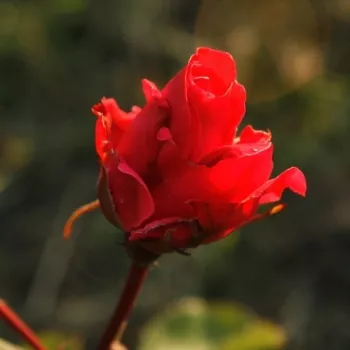
Intense raspberry-pink with scarlet overtones; buds dark carmine-crimson, fading in strong sun towards softer pink; RHS 53A outer, 46B inner; colour shows cool purplish tones in shade. |
| Fragrance and aroma |
Medium-strength scent with a clear but delicate fruity character, noticeable on still, mild days; primarily ornamental rather than for cutting, yet pleasantly perfumed near seating areas. |
| Hip characteristics |
Occasional ovoid orange-red hips, around 15–25 mm in diameter, forming after good pollination when deadheading is reduced, adding a discreet late-season accent for wildlife interest. |
| Resistance and winter hardiness |
Very hardy to about −37 to −34 °C, RHS H7, Swedish zone 6, USDA 3b; heat tolerant with watering; disease resistance low, needing regular protection against mildew, black spot and rust. |
| Horticultural recommendations |
Best in sunny sites, spaced 140–220 cm; prefers well-drained soil with mulch to protect roots; own-root form suits long-term structures, though routine cleaning of spent blooms is advised. |
ALEXANDER MACKENZIE offers rich raspberry-pink flowering, strong winter hardiness and graceful vertical structure, while the own-root form supports long-term reliability in your garden, making it a considered choice for enduring planting.