ADELAIDE HOODLESS – red park rose - Marshall
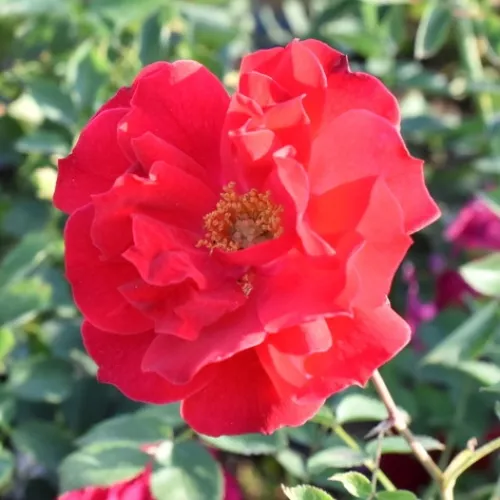
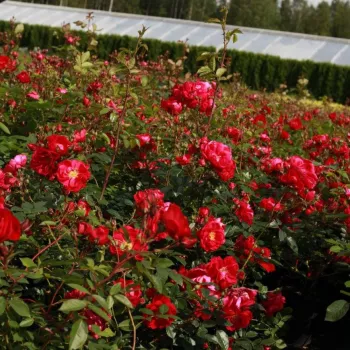
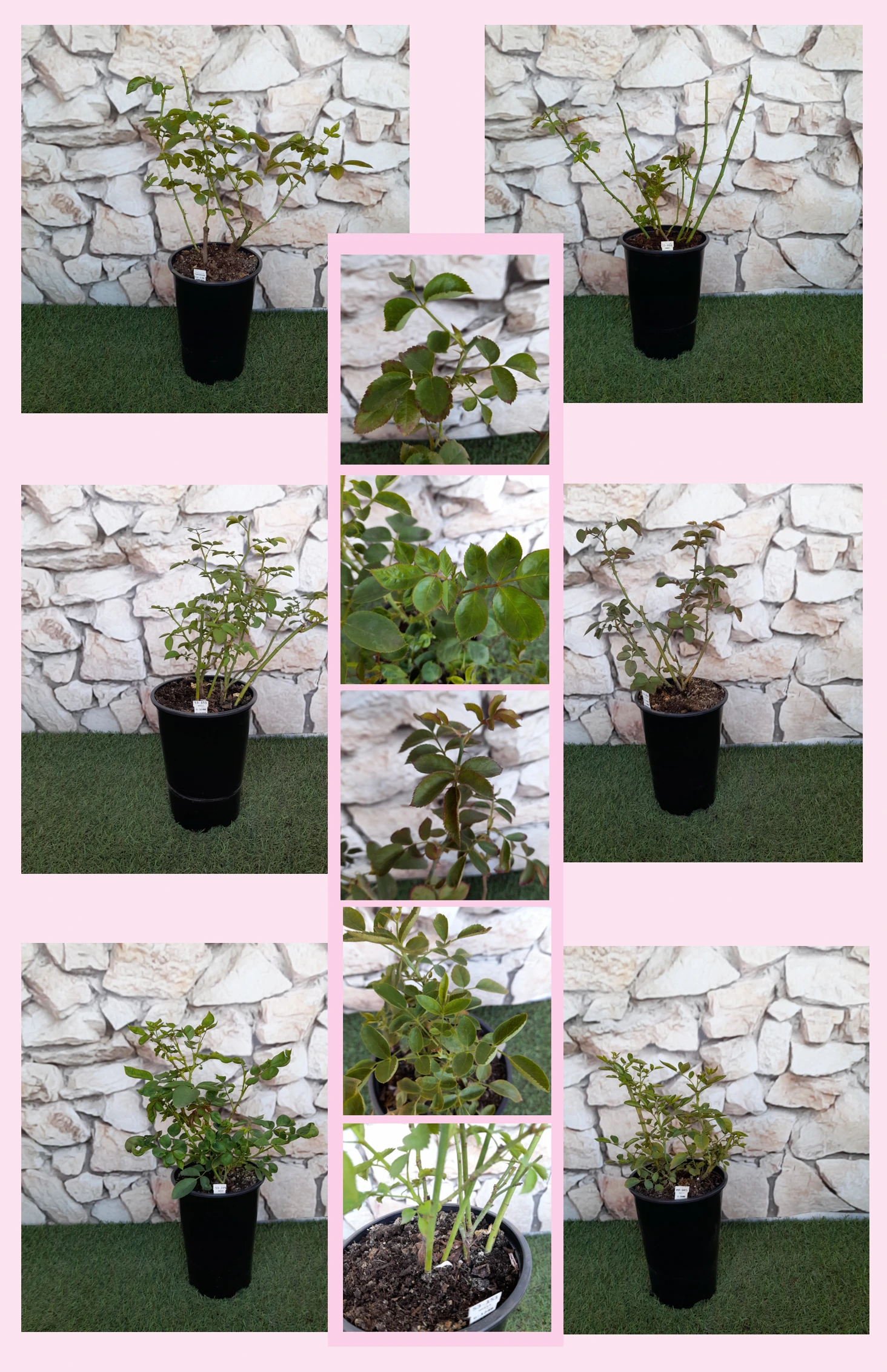
Bring a touch of cottage-garden charm to your front path with ADELAIDE HOODLESS, a medium-red shrub rose that feels at home in Irish light and weather, even where rainfall is frequent and summers are short. Its naturally compact, upright habit and dense, glossy foliage create a softly structured backdrop for steps, low walls and gravelled drives, giving you generous colour without fussy shaping. Planted from a pharmaROSA ORIGINAL own‑root container, it settles in steadily – roots this year, stronger shoots next year, and full garden presence by year three – building a long‑lived, resilient framework rather than a fleeting show. Use its glowing clusters of flat, medium-red blooms to give a quietly romantic feel to Dublin terraces or cottage-style borders, and enjoy how this tough, winter-hardy shrub keeps its place in the garden scene for many seasons with reassuring stability.
Usage options
| Target area |
Reasoning |
| Cottage-style front garden hedge |
The upright, shrub-like habit and dense branching make this variety ideal for a low, informal hedge that frames a path or front boundary without feeling rigid. Regular spacing lets the glossy foliage knit together into a soft, romantic line of medium-red clusters, perfect for small Dublin terraces seeking gentle enclosure for the cottage-garden lover. |
| Feature shrub in a mixed border |
Reaching about 110–190 cm in height and spread, this rose stands comfortably among perennials and small shrubs, giving structure without overwhelming the space. Its semi-double, flat flowers are carried in clusters, adding repeating accents of colour through the season while the dark green leaves provide a calm backdrop, suiting homeowners who want reliable structure with minimal fuss. |
| Hardy focal point for exposed sites |
With proven hardiness down to around -40 °C and good tolerance of heat once established, this shrub rose is well suited to Irish gardens where winter winds and changeable weather can be a concern. It forms a permanent “anchor plant” that rides out cold snaps and recovers cleanly, appealing to those who value long-lived planting in tougher positions for practical garden planners. |
| Low-maintenance backbone for family beds |
Although occasional deadheading improves repeat flowering, the plant shows moderate self-cleaning, so many spent blooms fall away naturally. This keeps the shrub looking tidy between visits to the garden, helpful for busy families who prefer a rose that largely manages its own appearance while they enjoy the overall effect for relaxed household gardeners. |
| Long-term structure in small urban gardens |
As an own-root plant, ADELAIDE HOODLESS regenerates from its base rather than relying on a graft, so any shoots that arise remain true to type and help maintain a full, balanced outline over the years. This stable character is particularly valuable in compact front gardens where every plant must earn its space, reassuring cautious first-time rose buyers. |
| Seasonal colour rhythm in borders |
The variety offers remontant flowering, with a particularly abundant second flush that brings fresh colour later in the season just as some early perennials begin to fade. In a typical short Irish summer, this habit stretches the display, giving more weeks of interest from one planting, ideal for those who want visible reward from limited garden time for time-poor enthusiasts. |
| Large container on patio or doorstep |
In a sturdy container of at least 40–50 litres with good drainage, this compact shrub can bring cottage-garden atmosphere to paved areas or small courtyards. Consistent watering and feeding support vigorous growth, while the upright form makes it easy to place near doors or seating, suiting apartment dwellers and city homeowners who garden mainly in pots for space-conscious urban gardeners. |
| Structured planting in clay-heavy family plots |
Once planted into improved clay with sharp drainage and mulch, the robust root system copes well with changeable moisture, even in gardens that see frequent soft rain and cool breezes across the season. Over time it settles into a dependable, shrub-like mass that is easy to underplant with perennials or grasses, a comforting choice for beginners learning their soil. |
Styling ideas
- Cottage-Hedge – Plant a loose row along a low wall, weaving between lavender and calamint for a soft, rosy edge – perfect for those creating a storybook Irish cottage frontage.
- Terrace-Pillar – Use as a single shrub near a front door, with blue globe thistle and fountain grass behind for contrast – ideal for city terraces needing upright colour and texture.
- Red-Ribbon – Thread several shrubs through a long border to repeat the same mid-red tone, knitting perennials together – suited to gardeners who like cohesive, easy-to-read planting.
- Pot-Parlour – Grow one plant in a generous 50-litre container by steps or on a patio, underplanting with trailing thyme – a good option for those gardening mainly in hard-landscaped spaces.
- Family-Frame – Combine with hardy grasses and simple white perennials to frame a lawn or play area, keeping shapes rounded and forgiving – appealing to families wanting resilient, unfussy colour.
Technical cultivar profile
| Parameter |
Data |
| Name and registration |
ADELAIDE HOODLESS park shrub rose, shrub group, commercial type park rose; ARS exhibition name Adelaide Hoodless, collection Park - shrub rose; registered cultivar name not published. |
| Origin and breeding |
Bred by Dr Henry H. Marshall at Morden Research Station, Manitoba, Canada, from ‘Fire King’ floribunda × (‘J.W. Fargo’ × ‘Assiniboine’) seedling; introduced and registered in 1973. |
| Awards and recognition |
Holds the RHS Award of Garden Merit, indicating reliable garden performance, sound ornamental value and dependable behaviour under average conditions when grown with appropriate care. |
| Growth and structural characteristics |
Upright park shrub rose, typically 110–190 cm tall and wide with dense, moderately thorny shoots; dark, glossy foliage creates a full, bushy outline suitable for hedging or specimen use. |
| Flower morphology |
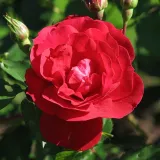
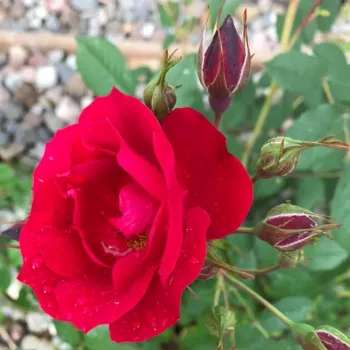
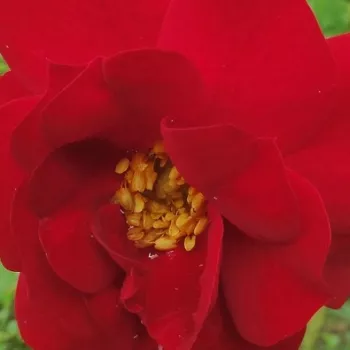
Semi-double, flat blooms with 13–25 petals, borne in clusters; small flower size around 1–4 cm, with moderate self-cleaning, though deadheading supports better repeat flowering later in the season. |
| Colour data and phenology |
Medium, uniform red (ARS MR; RHS 53B outer, 53A inner), buds deep velvety red; colour may lighten slightly in heat, shifting towards a softer raspberry-red tone as flowers age. |
| Fragrance and aroma |
Very weak fragrance, only a delicate rosy note close to the bloom; chosen primarily for colour impact and shrub form rather than scent or pollinator attraction in mixed ornamental plantings. |
| Hip characteristics |
Produces few hips; occasional small ovoid fruits 7–13 mm across, orange-red when ripe, adding a subtle late-season detail rather than a dominant ornamental feature in the planting. |
| Resistance and winter hardiness |
Extremely winter hardy (approx. -43 to -40 °C; RHS H7, Swedish zone 7, USDA 2b); resistant to black spot but very sensitive to powdery mildew and rust, needing regular protective care. |
| Horticultural recommendations |
Best in sunny sites with fertile, well-drained soil; spacing 90–165 cm depending on use, 0.9–1.05 plants/m² for mass planting; regular plant protection advised due to disease sensitivity. |
ADELAIDE HOODLESS offers reliable shrub structure, long-season colour and strong hardiness on a practical own-root framework, making it a thoughtful choice for those planning lasting, cottage-style garden planting.