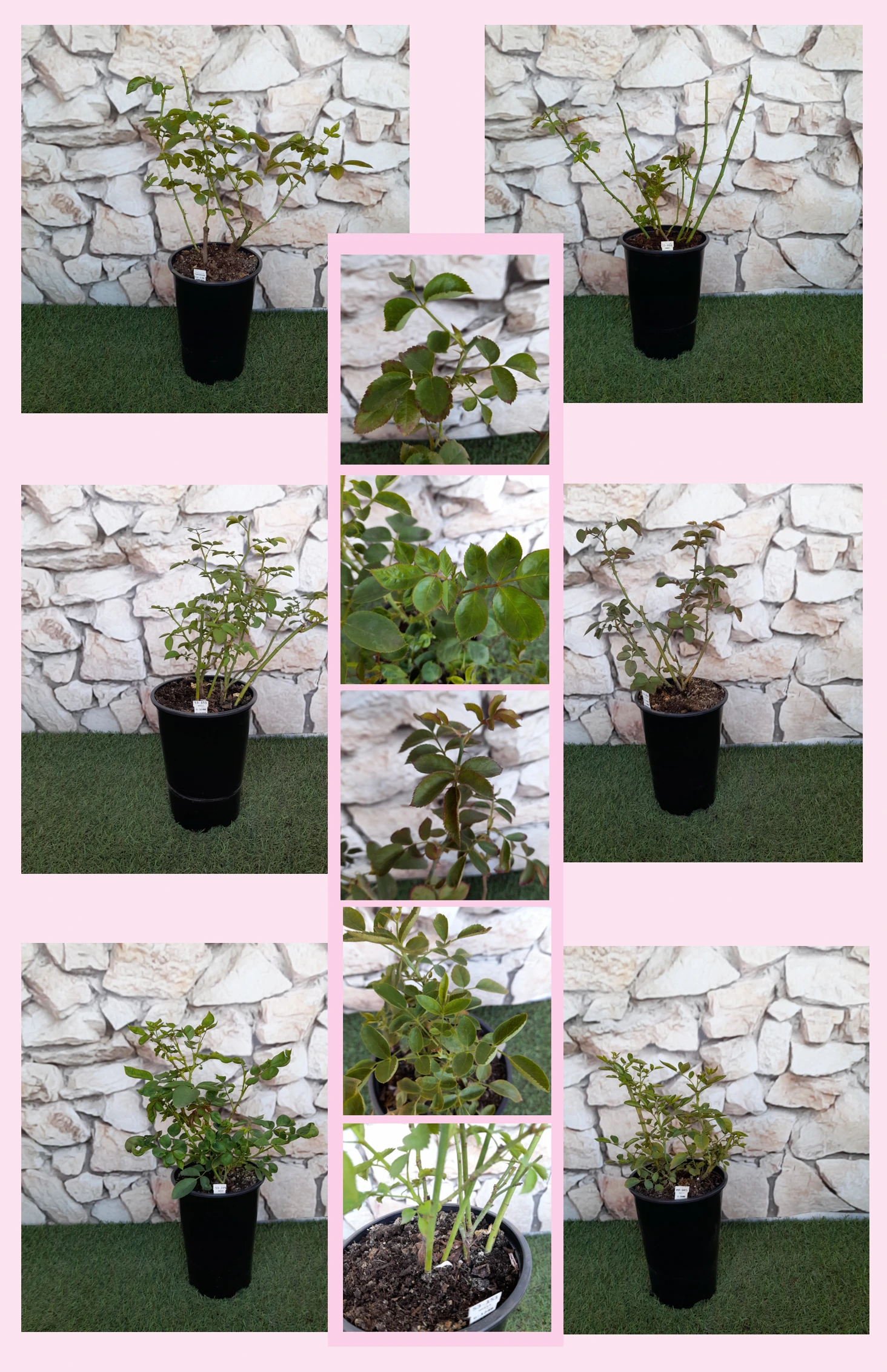
AHRENSHOOPER MÜHLENROSE – light pink bedding floribunda rose - Márk
Step outside to AHRENSHOOPER MÜHLENROSE and you meet a quietly romantic, light-pink floribunda that slips easily into a Dublin terrace or Irish cottage border, even where rainfall and soft light shape the garden. Its compact, bushy habit and uniform growth make it naturally orderly, ideal when you want tidy structure without fussy clipping. Clusters of semi-double blooms open in soft pastel tones, quickly lightening through porcelain and near-white, so the shrub always looks fresh and never heavy. The flowers’ open, accessible hearts are gently welcoming to bees and other visitors, adding a low-key wildlife note to a small front garden. Own-root plants build up steadily, with roots first, then top growth, then full display – a reassuring lifespan story for a busy household. Hardy to serious winter cold and bred for dependable garden service, it repeats with a generous second flush, extending colour when Irish summers seem too short. Mild, subtle fragrance adds a soft whisper of scent near the path, while medium maintenance needs keep things pleasantly manageable for everyday gardeners.
Usage options
| Target area |
Reasoning |
| Front garden feature by the path |
The compact, 40–60 cm habit and dense foliage create a neat, welcoming edge that never overwhelms a narrow front space. Repeating clusters of light pink to porcelain-white blooms brighten the approach to the door over a long season, suiting visitors and passers-by alike, especially for the busy urban gardener. |
| Cottage-style mixed border |
Semi-double flowers and softly fading colours blend easily with cottage perennials and traditional Irish planting, giving a relaxed but coherent look. Own-root growth builds steadily year after year, so the shrub becomes a reliable backbone in informal borders with minimal replacement worries for the nature-loving homeowner. |
| Low flowering hedge along a drive |
Recommended spacing around 100 cm allows you to form an airy, low hedge that defines boundaries without feeling rigid. Uniform growth and compact structure give a consistent line of colour, while moderate maintenance means only occasional pruning and health checks for the practical garden owner. |
| Mass planting in small community or family spaces |
With suggested densities under 1 plant/m², this rose is ideal for simple repeat blocks that cover ground quickly and look well-organised. Its cluster-flowering habit and uniform shape provide a strong visual effect with straightforward care, appealing to the time-pressed project organiser. |
| Wildlife-friendly corner near a seating area |
Semi-double blooms with accessible stamens offer moderate appeal to pollinating insects, gently enlivening a small sitting spot. The mild fragrance and soft colours suit close viewing, giving quiet sensory interest without overpowering, a good match for the fragrance-oriented sitter. |
| Container on patio or balcony (large pot) |
In a 40–50 litre or larger container with good drainage, the compact, bushy habit is easy to manage. Consistent shape and medium care demands make it forgiving if watering is sometimes irregular, supporting the gradual roots–shoots–full-display development arc for the starter rose enthusiast. |
| Exposed, rainy family garden bed |
Bred in Central Europe and hardy to low winter temperatures, this rose copes well with cool, changeable Irish weather where frequent soft showers meet occasional wind. Its steady structure and medium disease resistance balance appearance with realistic care needs for the Atlantic-climate gardener. |
| Long-season accent near doorway or gate |
Remontant flowering with an abundant second flush keeps colour going when summers feel short and light levels drop. The very good colour retention means blooms stay attractive between dead-heading sessions, keeping entrances bright with modest effort for the low-maintenance seeker. |
Styling ideas
- Cottage-Romantic – Combine with lavender and meadow cranesbill for a soft, informal cottage feel with long, repeating flower interest – ideal for relaxed family gardeners.
- Front-Door – Plant in a pair of large containers by the entrance for a neat, compact welcome that offers gentle scent and tidy structure – suited to busy city homeowners.
- Soft-Contrast – Underplant with low silver foliage and white perennials to highlight the pastel bloom transitions and long-season flowering – perfect for design-conscious beginners.
- Bee-Stop – Mix with delphiniums and other pollinator-friendly perennials so the semi-double clusters form part of a wildlife corridor – good for nature-focused households.
- Family-Hedge – Use in a low, informal hedge along paths or play areas where compact growth and repeat flowers bring colour without dominating – great for practical family gardens.
Technical cultivar profile
| Parameter |
Data |
| Name and registration |
AHRENSHOOPER MÜHLENROSE bedding floribunda rose, collection Bedding rose, floribunda group, trade name AHRENSHOOPER MÜHLENROSE – light pink bedding floribunda rose - Márk, premium gold merit rating. |
| Origin and breeding |
Bred by Márk Gergely in Hungary, 1991, from the cross La Sevillana × Dauphine; developed at the Horticultural Research Institute, Budapest, initially distributed by PharmaRosa Ltd. |
| Growth and structural characteristics |
Compact, bushy shrub 40–60 cm high and wide, with dense, mid-green, slightly glossy foliage and moderate prickles; designed for uniform growth in bedding, edging and mass planting schemes. |
| Flower morphology |
Semi-double, cup-shaped, cluster-flowering blooms 4–7 cm across with 17–25 petals; remontant with an abundant second flush, bearing three to five flowers per stem over the main season. |
| Colour data and phenology |
Light pink with delicate raspberry tone; buds pale powder pink, opening to peach-tinted centres then fading to cream, porcelain white and powdery pale; very good colour retention throughout flowering. |
| Fragrance and aroma |
Mild, subtle fragrance with a soft, understated character suitable for paths and seating areas; noticeable at close range without dominating, ideal for family gardens and smaller outdoor spaces. |
| Hip characteristics |
Moderately formed spherical hips, 10–14 mm diameter, red RHS 46A; they may add a small touch of seasonal autumn interest where not removed during regular dead-heading or pruning. |
| Resistance and winter hardiness |
Hardy to approximately -26 to -23 °C (RHS H7, Swedish Zone 4, USDA 5b); typical Márk rose tolerance to heat and moderate drought; moderate resistance to powdery mildew, black spot and rust. |
| Horticultural recommendations |
Medium maintenance; occasional plant protection and dead-heading advised. Allow spacing 100–180 cm depending on use, ensure free-draining soil, and mulch to support steady own-root establishment and flowering. |
AHRENSHOOPER MÜHLENROSE offers compact, long-season flowering, gentle pollinator appeal and dependable hardiness in an own-root form that matures steadily, making it a thoughtful choice for easy-going Irish family gardens.