AERIE – pink tea hybrid rose – Evers
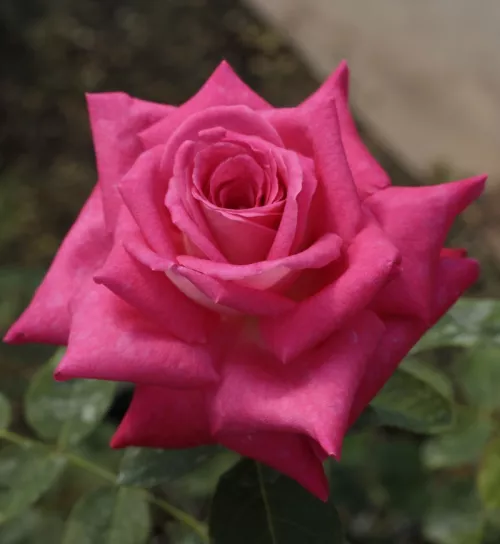
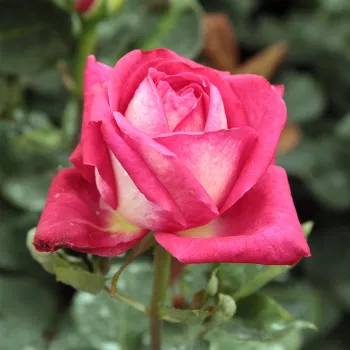
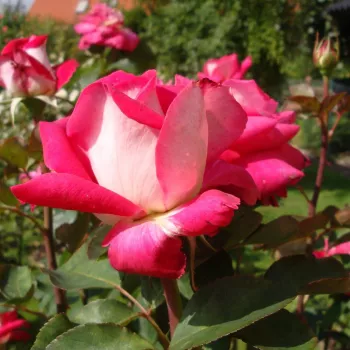
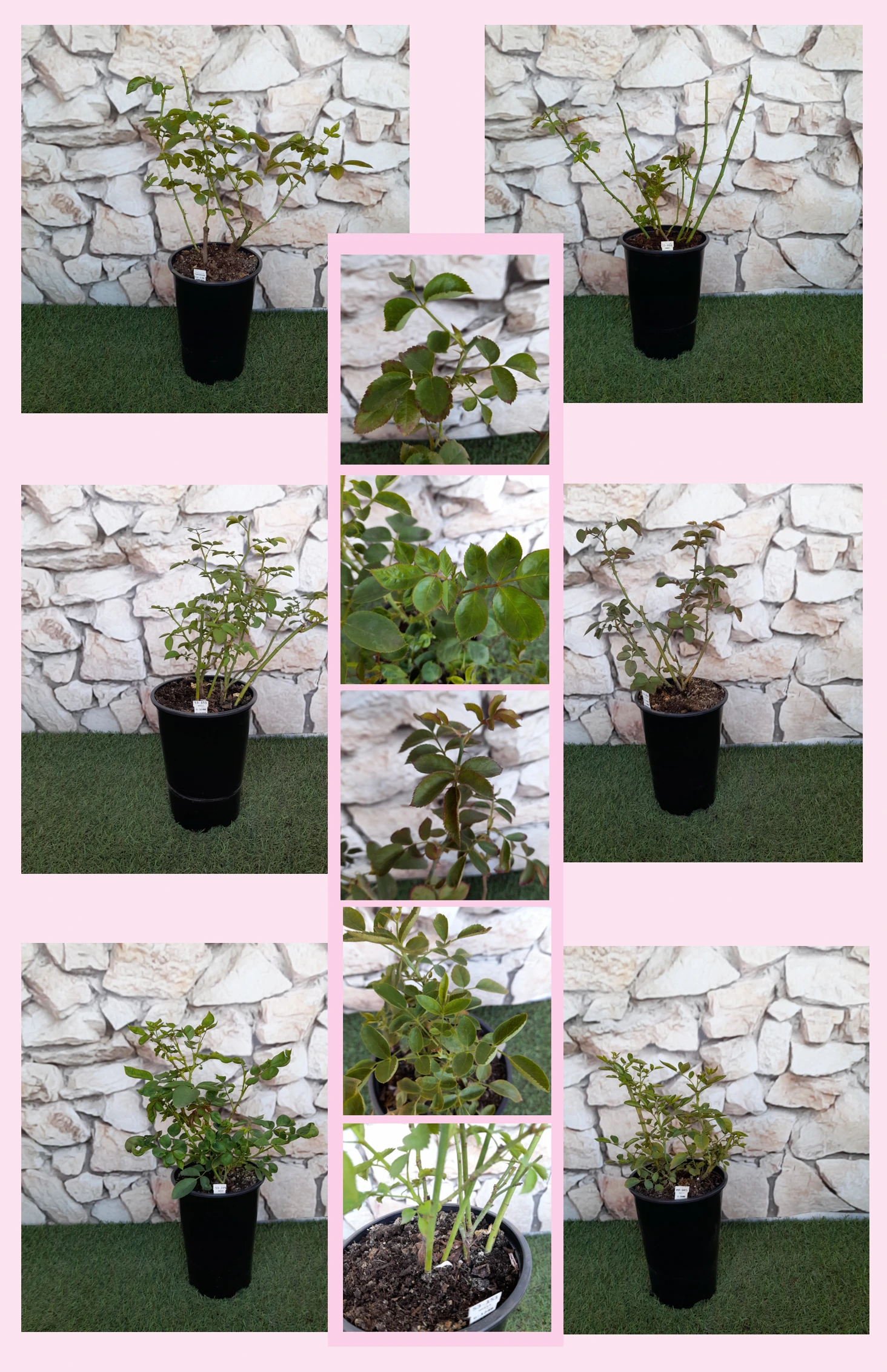
Step out to your front door and meet Aerie, a classically shaped hybrid tea rose that turns even a small Irish garden into a moment of gentle luxury. Its large, high-centred blooms shift from deep mauve-pink to a soft, silvery veil, bringing a sense of romance to cottage borders and neat Dublin terraces alike. The fragrance is unexpectedly intense and garden-filling, ideal for those who love to cut a few stems for the kitchen table. Bred for reliable repeat flowering, it keeps sending up elegant buds through our short summers, even when days are cool and the air is moist from frequent rainfall. As an own-root plant it settles in steadily, building a strong base for a long garden life and easy regrowth, so you can enjoy a calm routine of light pruning, deadheading and admiring – with roots in year one, structure in year two and full beauty by year three.
Usage options
| Target area |
Reasoning |
| Rose bed centrepiece |
Its upright habit, 120–160 cm height and large, high-centred blooms make Aerie a strong focal point in a mixed rose bed, offering long-season colour without complicated shaping; ideal for those who want a statement rose with simple care, especially beginners. |
| Cutting and exhibition row |
As an exhibition-type hybrid tea with solitary, long-stemmed flowers, Aerie is excellent for cutting, providing classic florist-style stems for vases and shows while the bush itself refills with buds; perfectly suited to those who love bringing garden roses indoors, mainly homeowners. |
| Cottage-garden border |
The dense, dark green foliage and romantic pink-silver flowers blend beautifully with traditional cottage companions, giving structure and scent with only medium maintenance; an attractive choice for relaxed but refined planting schemes, especially hobby-gardeners. |
| Dublin front garden feature |
In a small urban front garden, Aerie works well as a single specimen or short row, delivering strong fragrance and tidy structure where space is limited, while own-root planting supports long-term reliability; very suitable for busy city-dwellers and other urban-owners. |
| Informal flowering hedge |
Planted at 110 cm intervals, its 100–140 cm spread builds a loose flowering screen that softens boundaries without demanding elaborate clipping, creating privacy and scent in everyday family gardens; a good option for relaxed, time-poor families. |
| Large container on patio |
In a well-drained container of at least 40–50 litres, Aerie offers an elegant, fragrant presence close to the house, with own-root vigour helping it recover well from pruning and repotting; ideal for those gardening mainly in pots, particularly balcony-owners. |
| Climate-resilient planting |
Good heat tolerance and moderate disease resistance mean it copes steadily with warm spells followed by our frequent soft rain, provided drainage is sound and deadheading is regular; this reassures gardeners seeking resilient choices, especially climate-aware buyers. |
| Long-term garden investment |
As an own-root rose, Aerie avoids graft-union issues, can regenerate from the base after hard pruning and maintains its ornamental character over many years, making it a sound long-term feature for evolving family gardens; particularly appealing to forward-planning gardeners. |
Styling ideas
- Cottage-Romantic – Underplant Aerie with Carpathian bellflower and low geraniums for a soft, tumbling edge that highlights its high-centred blooms – for lovers of traditional cottage charm.
- Front-Door – Flank a Dublin terrace entrance with two large containers of Aerie, adding dwarf lavender at the base for scent and neat structure – ideal for style-conscious urban homeowners.
- Cutting-Row – Plant a straight line of Aerie along a sunny path, spaced for easy access, so you can harvest long-stemmed blooms all summer – for those who regularly fill vases indoors.
- Family-Mix – Combine Aerie with hardy perennials like windflowers and salvias in a mixed border to give height, perfume and repeat colour – for busy families wanting reliable impact.
- Perfumed-Patio – Place a single Aerie in a 50-litre pot by a seating area, surround with seasonal bedding for extra colour and enjoy evening fragrance – for people who unwind outdoors after work.
Technical cultivar profile
| Feature |
Data |
| Name and registration |
Hybrid tea rose, registered as TANallepa, marketed as Aerie Hybrid tea rose TANallepa; exhibition hybrid tea for garden and cutting use, in the Rós taehibride commercial group. |
| Origin and breeding |
Bred by Hans Jürgen Evers for Rosen Tantau, Germany, before 1991; registered 1991 and introduced 1994 by Rosen Tantau, with parentage recorded as unknown in current references. |
| Awards and recognition |
Le Roeulx Gold Medal and Fragrance Award 1998, Baden bei Wien First Prize 1999, and The Hague Silver Medal 2007, reflecting garden performance and notable scent qualities. |
| Growth and structural characteristics |
Upright shrub 120–160 cm high, 100–140 cm spread, moderately prickly shoots and dense, slightly glossy dark green foliage; weak self-cleaning so deadheading of spent blooms is recommended. |
| Flower morphology |
Large 7–10 cm, fully double hybrid tea flowers with 26–39 petals, high-centred, pointed buds borne mainly singly on stems; remontant, with a pronounced and abundant second flush after summer pruning. |
| Colour data and phenology |
Mid-pink flowers with silvery sheen, ARS RB; RHS 62B outer, 155D inner; colour fades to a pearly greyish veil, with better retention in strong sun and more rapid softening in cool, wet conditions. |
| Fragrance and aroma |
Very strong, garden-filling scent with no formal note breakdown recorded; effective both in the garden and as a cut flower, giving a pronounced fragrance presence around paths, patios and windows. |
| Hip characteristics |
Hip set usually limited because of fully double flowers and regular deadheading; where present, hips are ovoid, 10–14 mm across and orange-red, adding a modest decorative element in late season. |
| Resistance and winter hardiness |
Hardy to about −21 to −18 °C (H7, USDA 6b, Swedish zone 3); moderate resistance to black spot, powdery mildew and rust, benefitting from good air circulation and a simple preventive care routine. |
| Horticultural recommendations |
Best in full sun with well-drained soil; plant at 120 cm for beds, 110 cm for hedges, 190 cm as specimen; keep watering regular in drought and deadhead to prolong flowering and limit hip formation. |
Aerie Hybrid tea rose TANallepa offers richly scented, exhibition-quality blooms on a long-lived own-root shrub, ideal as a cut-flower centrepiece in compact Irish gardens; consider it if you value enduring beauty with manageable care.