ABRUD – pink park rose - Márk
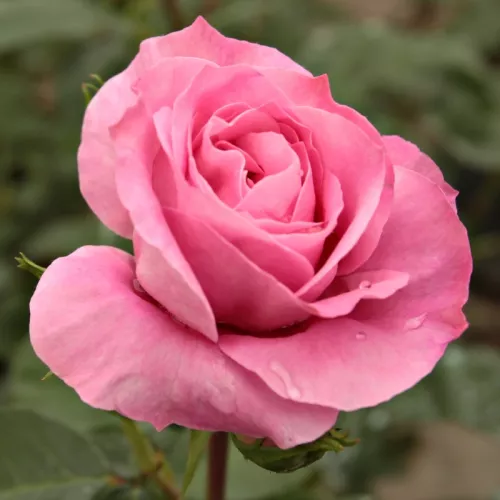
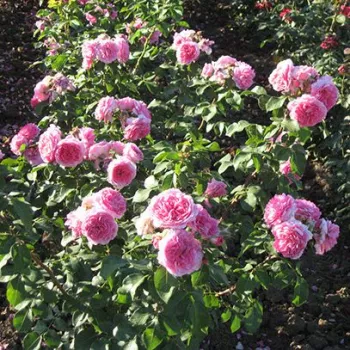
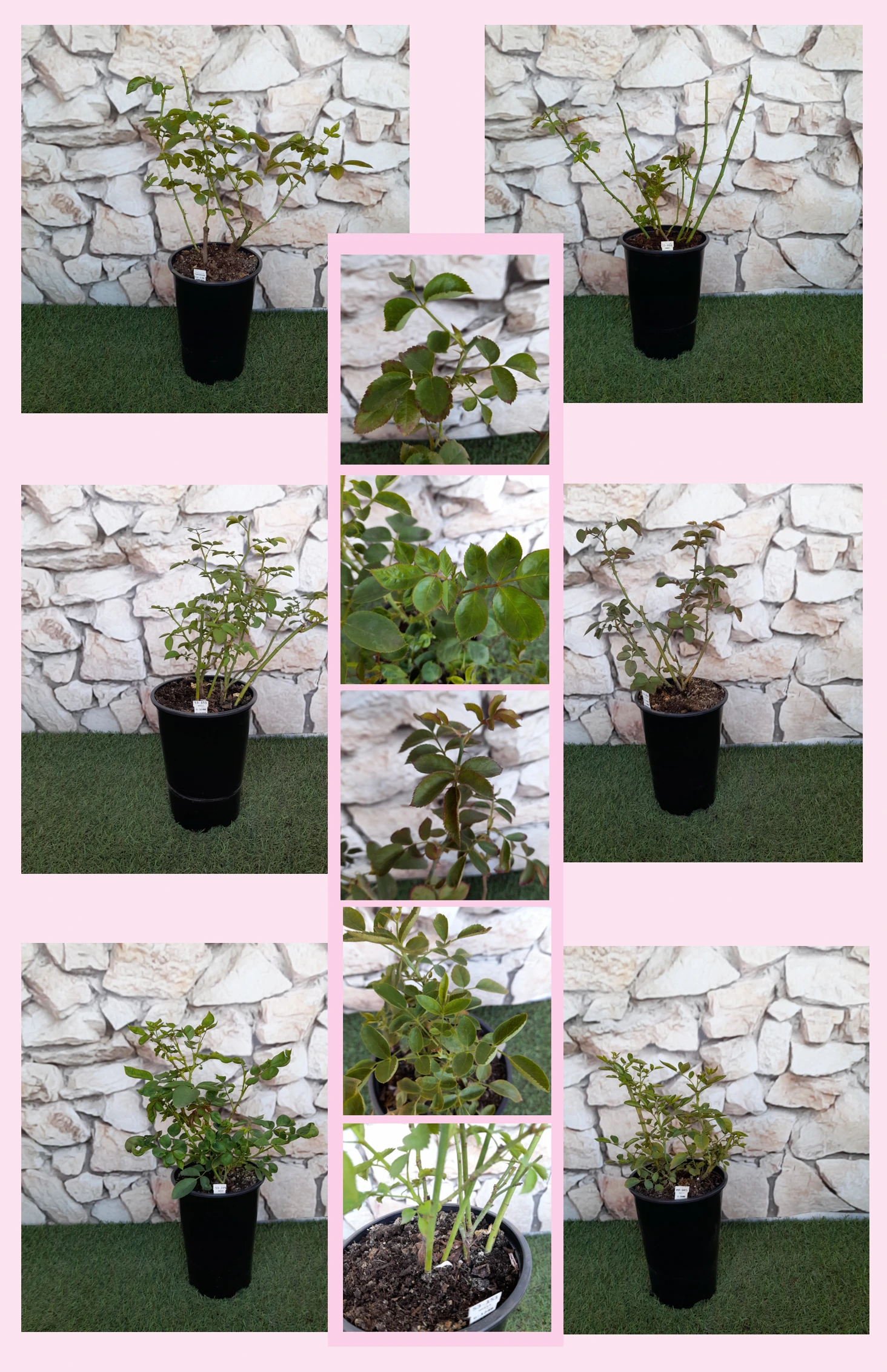
Step outside to soft raindrops, a gentle drift of pink blooms and calm, arching growth that sits beautifully in a Dublin front garden or Irish cottage border. ABRUD is a bushy shrub rose with a long, reliable season of colour, opening in deep pink and fading gracefully to a pale, silvery-edged blush. Its own-root nature means quiet stability in the background of family life, building strong roots, then sturdy shoots, before reaching full ornamental value in the third year. Well-suited to our moist climate with thoughtful attention to good drainage, it copes well with summer showers and spells of warmth. Medium maintenance in theory, in practice it simply asks for a sunny spot, room to arch and an occasional tidy, rewarding you with a generous display that feels both soft and quietly enduring.
Usage options
| Target area | Reasoning |
|---|
| Flowering backdrop for family gardens |
The bushy, arching habit and medium-sized double blooms create an easy, soft-focus backdrop behind perennials or a lawn, giving structure without looking formal or fussy; suited to relaxed borders for the busy homeowner. |
| Low-maintenance cottage-style hedge |
Good height and spread allow ABRUD to form a loose, romantic hedge that screens without needing frequent clipping; regular repeat flowering means months of colour with only seasonal pruning for the time-conscious gardener. |
| Long-season feature shrub near seating |
Remontant flowering with a generous second flush offers colour from summer into autumn, so one shrub can anchor a small seating area and look lively through Ireland’s shorter summer for the outdoor-evening enthusiast. |
| Focal point in a small front garden |
Its upright, arching structure and vivid pink colour make a single plant a clear focal point, ideal for a compact Dublin terrace front where impact is needed from just one or two shrubs for the urban space-saver. |
| Own-root planting for long-term gardens |
Grafted unions are absent, so the shrub builds from its own roots, regenerating well after pruning or weather damage and keeping its ornamental qualities stable over many years for the future-focused planter. |
| Clay-soil borders with improved drainage |
Once planted into a slightly raised, well-drained pocket in heavier Irish soils, ABRUD responds with steady growth and reliable flowering, suiting gardens where wetter winters demand careful soil preparation for the practical beginner. |
| Lightly scented path or driveway edge |
The discreet, barely noticeable fragrance adds a gentle note rather than overpowering nearby windows, while the repeating pink clusters frame paths in a friendly way for the subtle-scent lover. |
| Large planters on patios or balconies |
In containers of at least 50 litres, with good drainage and regular watering, ABRUD’s arching branches and shifting pink tones bring cottage-garden softness to small paved spaces, even where ground planting is impossible for the city balcony-owner. |
Styling ideas
- Cottage-Curtain – layer ABRUD behind clumps of yarrow and Mexican feather grass to create a soft, pink-and-gold haze that ripples in the breeze – ideal for romantic cottage-garden fans
- Front-Door-Welcome – position one shrub by a gate and another by the doorway, underplanted with low catmint, to form an informal arch of colour – perfect for Dublin terrace homeowners
- Pastel-Mix-Border – weave ABRUD among pale foxgloves and soft blue geraniums so its shifting pink tones blend into a long, harmonious season – suited to beginners wanting easy harmony
- Silver-Companion – pair with Russian sage and other silver-leaved perennials, letting the vivid pink flowers glow against cool foliage – great for those who enjoy modern, low-fuss planting
- Family-Hideaway – plant a loose row along a lawn edge to form a gentle, flowered screen that defines a children’s play corner without feeling closed in – perfect for young families
Technical cultivar profile
| Characteristic | Data |
|---|
| Name and registration |
Shrub rose, park type; trade name ABRUD – pink park rose - Márk; collection Park - shrub rose; commercial group Rósra páirce - toir; exhibition category shrub rose. |
| Origin and breeding |
Bred in Hungary in 1994 by Márk Gergely from ‘Bonica’ × ‘Bolyaiak’; initial distributor PharmaRosa® Ltd.; exact introduction and registration years not documented for this cultivar. |
| Growth and structural characteristics |
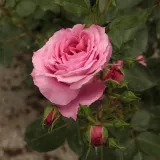
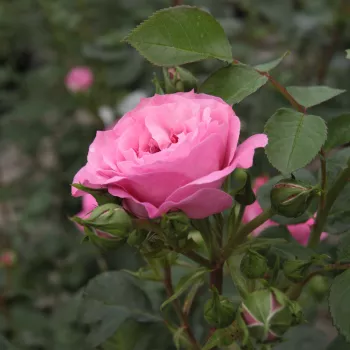
Vigorous, bushy and arching shrub, around 170–240 cm tall and 120–190 cm wide; moderately dense, glossy mid-green foliage; moderately thorny stems with a naturally graceful outline in leaf. |
| Flower morphology |
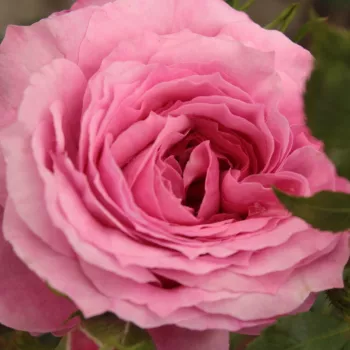
Medium-sized, 4–7 cm, double, cup-shaped blooms in clusters; 26–39 petals; remontant with an abundant second flush; flowering structure well suited to hedging, mixed borders and specimen use. |
| Colour data and phenology |
Deep pink buds open bright mid-pink with a silvery sheen (RHS 55B–55C), then soften to pale pink; colour fades moderately; central petals stay slightly darker at full bloom, giving gentle depth. |
| Fragrance and aroma |
Very weakly scented rose with a discreet, delicate fragrance character; not intended as a strong perfume variety, but offers a light, unobtrusive note in close-up planting near paths or seating. |
| Hip characteristics |
Rosehip production generally limited due to double flowers; occasional bright red, spherical hips 8–12 mm in diameter may appear late season, adding small, decorative autumn interest. |
| Resistance and winter hardiness |
Hardy to about -21 to -18 °C (RHS H7, USDA 6b, Swedish zone 3); good heat and moderate drought tolerance; resistant to powdery mildew, with medium susceptibility to black spot and rust. |
| Horticultural recommendations |
Best in sunny sites; medium maintenance with some plant protection as needed; spacing 90–165 cm depending on use; plant 0.9–1.0/m² in mass; improve drainage on heavy soils and mulch annually. |
ABRUD – pink park rose - Márk offers long-season colour, graceful shrub structure and durable own-root growth for Irish family gardens; consider it if You want dependable beauty with modest effort.