ABBAYE DE BEAULIEU – raspberry-pink hybrid tea rose - Rateau
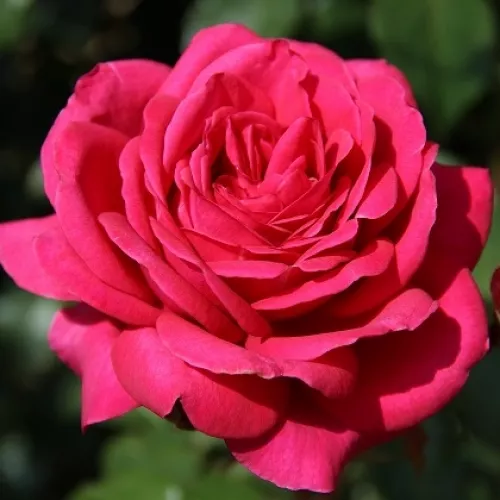
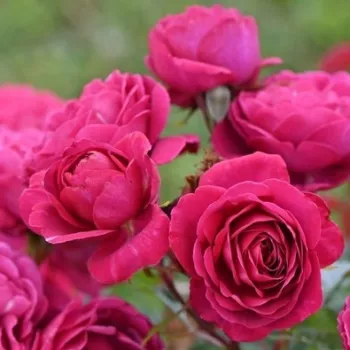
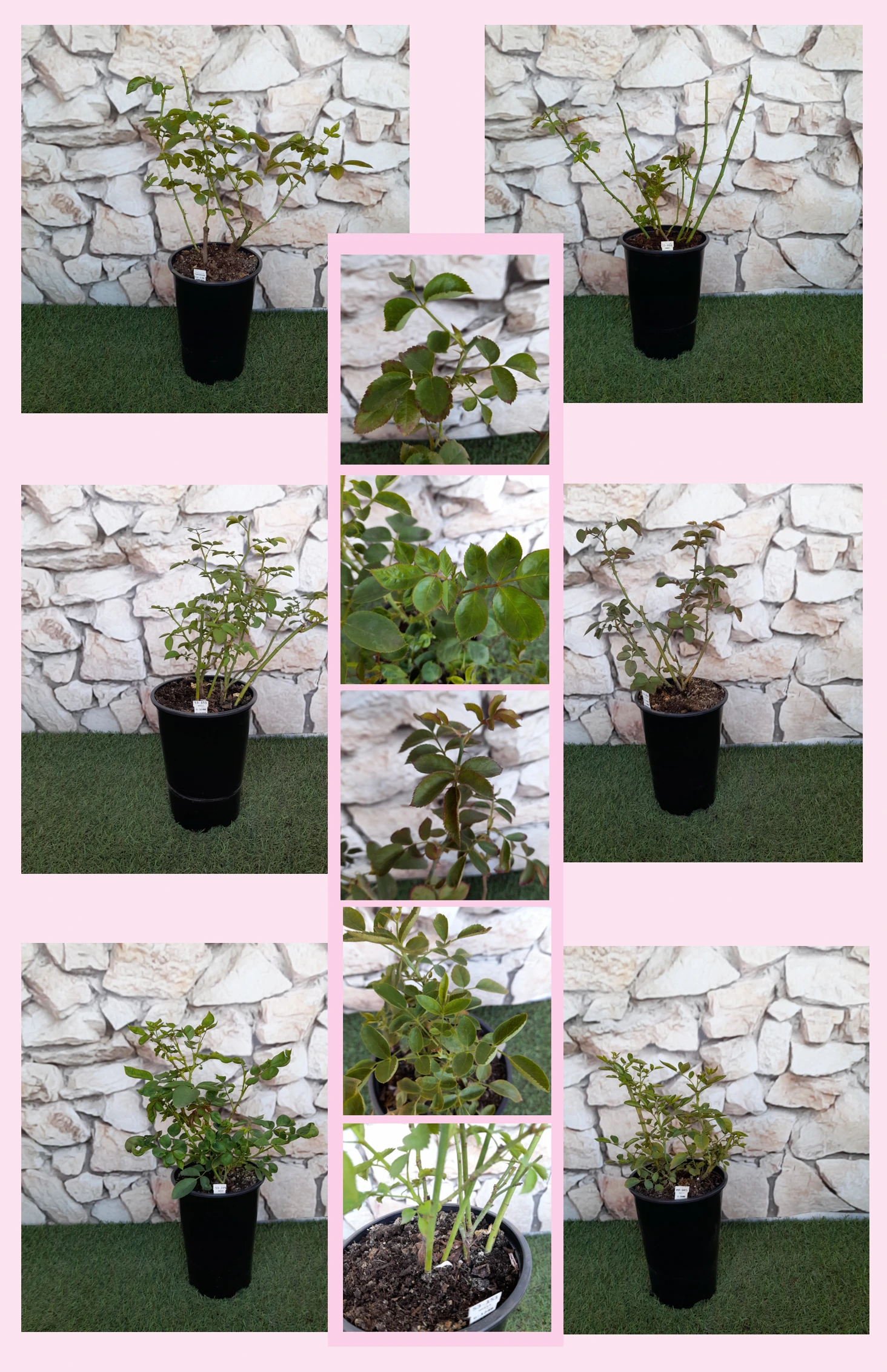
Let Abbaye de Beaulieu bring a soft, raspberry-pink glow to your front garden, with tall, classic blooms that feel like a short walk in gentle rain and green light. Bred in France, this hybrid tea rose produces large, high-centred flowers perfect for cutting, yet equally at home in a small Irish cottage bed or a tidy terraced frontage. The strong, full-bodied fragrance lingers on damp evenings, while the bushy, upright habit and glossy dark foliage lend structure around paths and low walls. Flowering returns generously through the short Irish summer, offering repeated colour even when the weather turns. Own-root plants rebuild from the base for long-term renewal and steady longevity, following the natural rhythm of first year roots, second year top growth and a fully settled garden presence from year three.
Usage options
| Target area |
Reasoning |
| Cottage-style front garden focal point |
Use as a statement rose near the front door or gate, where its tall, upright habit and neatly bushy shape provide instant structure. The large, high-centred flowers echo traditional tea-rose elegance, ideal beside a path or low railing. In damp Irish weather, the rich raspberry-pink blooms read clearly even under dull skies, appealing to visitors and passers-by who appreciate classic form and colour depth, especially the fragrance-loving homeowner. |
| Cutting border in a family garden |
Plant in a narrow border by the patio or veg patch so you can harvest long-stemmed, solitary blooms for the house. The sizeable, pointed buds open into florist-style flowers that last well in a vase, turning a simple family table into something special. Repeat flowering through summer means a regular supply of stems without stripping the plant, rewarding those who enjoy bringing garden scent indoors, particularly the time-pressed hobby-gardener. |
| Specimen rose in a small lawn or gravel area |
Set one plant as a standalone specimen at the recommended wider spacing so its full, compact bush can be appreciated from all sides. The glossy dark foliage makes a strong backdrop to the raspberry-pink flowers, giving the plant presence even between flushes. This works especially well in small to medium lawns or gravel pockets in front gardens, suiting design-aware yet non-expert gardeners. |
| Own-root planting for long garden value |
Choosing Abbaye de Beaulieu on its own roots supports long-term stability: if the top suffers from wind, pruning or winter, fresh shoots arise from the base with the same original variety. Over the years this helps the bush maintain its shape and flower quality without complicated graft-management, reassuring those who want a rose to mature gracefully with them, notably the busy urban owner. |
| Container rose near a seating area |
Grow in a large container of at least 40–50 litres, using free-draining compost to protect roots from winter wet. Placed close to a bench or French doors, the strong, lingering fragrance can be enjoyed on cool evenings and rainy mornings. Regular deadheading and feeding keep the display going, making this a rewarding choice for balconies, terraces and paved city spaces for the scent-seeking urbanite. |
| Bed design with steady flowering rhythm |
Use several plants in a flower bed at the suggested planting density to build a low, rhythmic line of colour. The cultivar remounts well, giving a second abundant flush after the first, helpful in regions where summers are short and changeable with frequent rain and wind. This reliable flowering pattern suits those who like a predictable show with modest intervention, especially the relaxed cottage-garden enthusiast. |
| Structured front-garden hedge-effect planting |
At the closer hedge spacing, Abbaye de Beaulieu can form a loose, rose hedge defining boundaries or framing a path. Its upright, compact framework and dense foliage give clear structure, while the large blooms punctuate the line like lanterns. Regular trimming and deadheading keep it tidy, appealing to house-proud front-garden keepers, including the style-conscious neighbour. |
| Planting for gradual establishment and renewal |
Allow for a gentle establishment curve: in year one roots settle, in year two top growth fills out, and by year three the bush typically reaches its full visual impact. Being on its own roots, it can regenerate from the base if cut back hard, extending its useful life. This slow-but-steady progress rewards patient, forward-planning beginners. |
Styling ideas
- Cottage-border pairing – Combine with airy Gypsophila repens ‘Knuddel’ at the front to soften the upright bush shape and let the raspberry-pink blooms float above a froth of white – ideal for romantic cottage-garden dreamers.
- Front-step welcome – Place a single large container on either side of a Dublin terrace doorstep so the tall, high-centred blooms and fragrance greet visitors – perfect for city homeowners who want charm in a tight space.
- Cutting-row ribbon – Plant a short row along a path, spacing for easy access to the long, solitary stems, creating a simple home cutting garden – suited to families who like fresh flowers on the kitchen table.
- Evening-scent corner – Position near a bench with pale companions like Liatris spicata ‘Alba’ so dusk light catches the blooms while fragrance carries on humid evenings – appealing to those who unwind outdoors after work.
- Structured rose island – Use three plants in a triangle within a small lawn, underplanting with low perennials for groundcover to emphasise the bushy, upright framework – ideal for gardeners wanting order with a soft edge.
Technical cultivar profile
| Parameter |
Data |
| Name and registration |
Hybrid tea rose, registered as EVEalexedit, marketed as Abbaye de Beaulieu Hybrid tea rose EVEalexedit; exhibition name Abbaye de Beaulieu, in the Rós taehibride commercial group. |
| Origin and breeding |
Hybrid tea of unknown parentage, bred by Jérôme Rateau in France in 2011, introduced and registered in 2019 by Roses Anciennes André Eve and associated distributors. |
| Awards and recognition |
Perfumer trainees’ prize at Bagatelle 2019, gold medal hybrid tea at Nyon 2020, and Grand Prix de la Rose from SNHF in 2024, highlighting ornamental and scent qualities. |
| Growth and structural characteristics |
Bushy, upright plant reaching 80–120 cm in height with a 50–75 cm spread, moderately thorny stems and dense, glossy dark green foliage, forming a compact, well-filled garden bush. |
| Flower morphology |
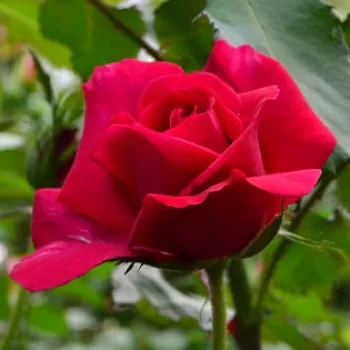
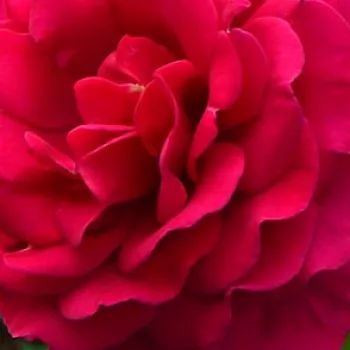
Large 7–10 cm semi-double flowers with 13–25 petals, high-centred pointed buds of classic cut-rose type, largely solitary on stems, repeating strongly with a very good second flush. |
| Colour data and phenology |
Velvety medium-deep raspberry-pink blooms with cyclamen undertone; colour generally holds, lightening slightly in strong sun; ARS code DR, RHS 187A–187B, with cooler outer petal margins. |
| Fragrance and aroma |
Strong, long-lasting, full-bodied fragrance in line with its French breeding; flowers are primarily ornamental, with stamens largely covered by petals and limited access for pollinating insects. |
| Hip characteristics |
Hip set limited due to flower form; when present, spherical 10–15 mm hips, red RHS 46A, appearing only occasionally and not considered a major ornamental feature of the cultivar. |
| Resistance and winter hardiness |
Hardy to approximately −21 to −18 °C (USDA 6b, RHS H7, Sweden zone 3); heat and short drought tolerated once established, but foliage is susceptible to mildew, rust and some black spot. |
| Horticultural recommendations |
Best in sunny, airy sites with good drainage; suitable for beds, specimens, hedging and large containers; requires regular deadheading and fungicidal care to maintain foliage and flower quality. |
Abbaye de Beaulieu offers French-bred perfume, generous repeat flowering and elegant cut blooms on a long-lived own-root plant, making it a thoughtful choice for those planning a lasting, characterful garden.